Mudjacking vs Polyurethane Foam Leveling
If part of your slab, walkway, driveway, garage floor, or patio has sunk, mudjacking and polyurethane foam leveling are two common ways to lift it. Both can work in the right situation, but neither fixes every cause, and neither should replace an independent structural evaluation when the movement may involve the house itself.
The short answer
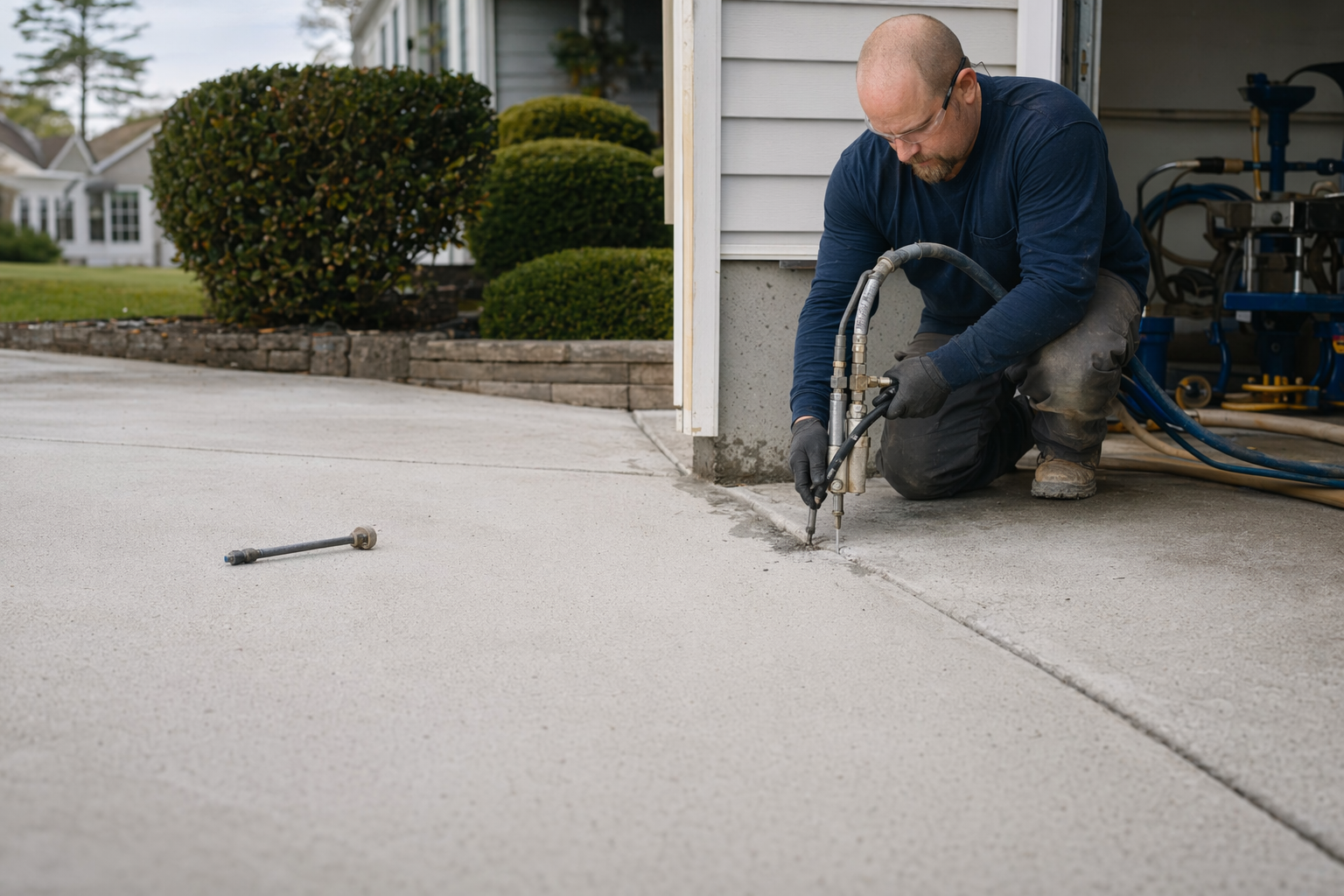
Mudjacking and polyurethane foam leveling are slab-lifting methods. They are usually used for sunken concrete such as sidewalks, patios, garage floors, porches, and some interior slabs. The goal is to fill voids below the concrete and raise it closer to level.
Here is the simple version:
- Mudjacking pumps a cement-based slurry under the slab.
- Foam leveling injects expanding polyurethane foam under the slab.
- Typical cost for either method on a normal area is often about $600-$3,500, but the real price depends on the cause of the settlement, slab size and thickness, soil conditions, access, amount of lift needed, and your local market.
- Foam is lighter and often cures faster.
- Mudjacking is often cheaper on straightforward jobs and has been used for a long time.
- Neither method is the right answer if the problem is serious foundation settlement, poor drainage that is still active, expansive soil movement, or structural damage that needs engineering review.
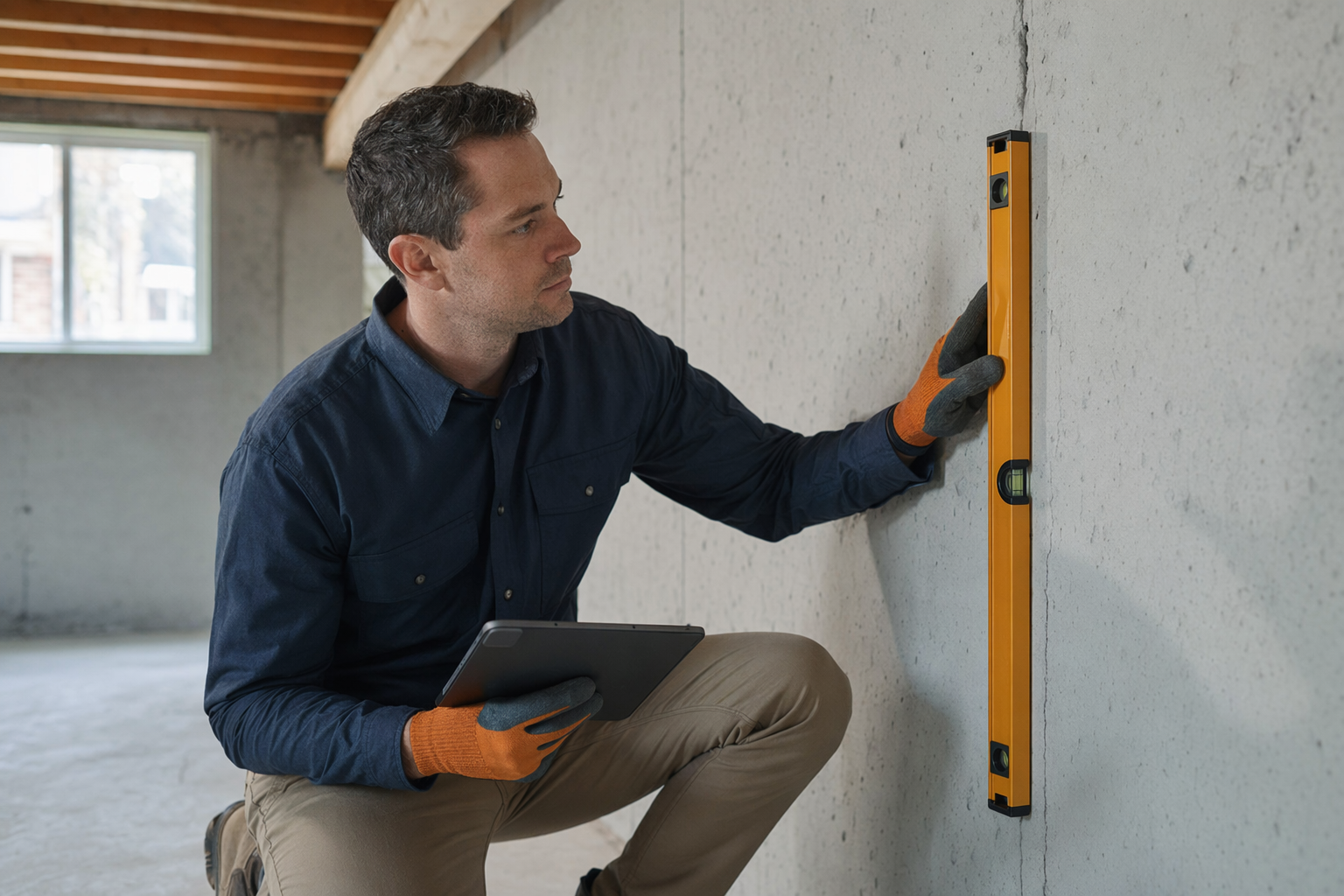
If the settled concrete is attached to or affecting the house, or if you also see wall cracks, doors sticking, sloping floors, or repeated movement, start with an independent licensed structural engineer. A report often costs about $400-$1,200 and can help you avoid paying for the wrong repair. See what an engineer evaluation is for.
BedrockBearing does not inspect, design repairs, or perform work. We are a free matching service that helps homeowners compare licensed, insured pros and make their own decision. You can get matched at no cost.
How each method works and where it fits best
Both methods usually start with small holes drilled in the slab. Material is injected below the concrete to fill empty space and lift the slab in controlled stages.
### Mudjacking
Mudjacking, sometimes called slabjacking, uses a heavier slurry made from cement, soil, sand, and water or similar materials. That slurry fills voids and pushes the slab upward.
Best fit:
- Sidewalks and patios
- Driveways in some cases
- Garage floors
- Older slabs where a slightly heavier fill is acceptable
- Jobs where cost is the main concern and access is decent
Possible advantages:
- Often lower cost on basic jobs
- Familiar method with a long track record
- Good for filling larger voids in some situations
Possible downsides:
- Adds more weight to the soil below
- Larger drill holes than foam in many cases
- Cure time may be longer before full use
- Not ideal where weak soils, washout, or repeated water problems are still active
### Polyurethane foam leveling
Foam leveling injects a two-part polyurethane that expands under the slab. The foam fills voids and can lift concrete with less added weight.
Best fit:
- Sidewalks, patios, and stoops
- Garage and basement slabs in some cases
- Areas where a lighter material is preferred
- Jobs that need faster return to service
- Some tighter or more controlled lifting situations
Possible advantages:
- Lightweight compared with slurry
- Smaller injection holes in many systems
- Fast cure in many cases
- Can be useful where adding less weight matters
Possible downsides:
- Often costs more than mudjacking for the same area
- Still does not solve the root cause by itself if water, soil washout, or structural movement continues
- Not a cure-all for major foundation settlement
If you are dealing with a true foundation support problem, slab lifting may not be enough. Some homes need piers or underpinning, which is a different category of repair with very different cost and design questions. Learn more about piering and underpinning.
What these methods can fix, and what they cannot
This is where homeowners often get burned. A lifted slab can look better right away, but appearance is not the same as fixing the cause.
These methods may help when:
- A slab settled because of small voids under it
- Soil compaction under exterior flatwork was poor from the start
- Water washed out support under a walkway, stoop, or section of driveway
- A garage floor or basement slab sank but the home's main structure is stable
These methods are usually not enough by themselves when:
- The house foundation is settling, rotating, or moving deeper into weak soils
- There are large or growing cracks in foundation walls
- A basement or retaining wall is bowing or leaning
- Water problems are active and have not been corrected
- Drainage, gutters, grading, plumbing leaks, or downspout discharge are still sending water to the same area
- Expansive clay or highly variable soil is driving repeated movement
For example:
1. If a patio slab dropped because water washed soil away near a downspout, lifting the slab without fixing the drainage may mean it settles again.
2. If a basement slab cracked and sank, but the perimeter footing is also moving, slab lifting alone may not address the structural issue.
3. If an exterior stoop pulled away from the house, the stoop may need lifting, but the house wall should also be evaluated if there are related cracks.
Also remember that lifting is not the same as sealing cracks or waterproofing. Those are separate issues. Some homeowners need a combination of drainage correction, crack repair, and structural stabilization. If water intrusion is part of the story, read about foundation waterproofing.
If you see serious warning signs such as a wall actively moving, large new cracks opening, or signs of possible collapse, leave the area and contact a licensed structural engineer or your local building department right away. For less urgent but concerning signs, review foundation warning signs.
Cost, speed, and long-term value
Homeowners usually want to know one thing first: which one is cheaper?
The honest answer is that mudjacking is often less expensive upfront, while foam often costs more but may be preferred for its lower weight and faster cure. On many standard residential slab-lifting jobs, a typical range is about $600-$3,500 for the affected area. Larger or more complex jobs can run higher.
What changes the price:
- Size and thickness of the slab
- How far it has settled
- Number and size of voids below it
- Soil and moisture conditions
- Ease of access for equipment
- Whether the slab is reinforced, broken badly, or tied into other structures
- Whether drainage correction or crack repair is also needed
- Your local labor and material costs
What changes the value:
- Cause of settlement. If the cause remains, the slab can move again.
- How much precision is needed. Some slabs can be improved but not made perfectly level.
- Condition of the concrete. Severely cracked or broken slabs may be better replaced.
- Use of the area. A trip hazard on a front walk is different from a warehouse floor or a slab tied to the home.
Ask every contractor these plain questions:
1. What do you think caused the slab to sink?
2. What are you doing to address that cause, if anything?
3. Is lifting likely to be cosmetic, partial, or full?
4. What could make the slab settle again?
5. What is included in writing, and what is not?
Get the scope, material, limitations, warranty terms, and total price in writing before any deposit. And hire only licensed and insured contractors where required. Verify the license and insurance yourself.
What to do next so you do not buy the wrong repair
If you are trying to choose between mudjacking and foam, follow this order:
- Look at the whole picture. Is this only a sunken slab, or are there also signs the house itself is moving?
- Take warning signs seriously. Cracks that are growing, sticking doors, wall movement, water intrusion, and repeated settlement matter.
- Get an independent licensed structural engineer first if the slab is attached to the home, the settlement may involve the foundation, or you are not sure what is moving. The key is independence: the engineer should not also be selling the repair.
- Then compare written estimates from licensed, insured contractors. Ask why they recommend mudjacking or foam for your exact site.
- Verify permits and code requirements locally. Some work may require permit review depending on where you live and what is being repaired.
- Hold final payment until the agreed work is completed.
A good contractor should be able to explain why their method fits your slab, your soil conditions, and your access limits. A good engineer helps you tell the difference between a simple slab-lifting job and a bigger structural problem.
If you want help finding companies to compare, BedrockBearing can help you get matched with licensed, insured foundation repair pros at no cost to you. You still choose who to hire, and you should still ask for an independent engineer evaluation first when structure-related movement may be involved.
Mudjacking and foam can both lift sunken concrete, but the right choice depends on why it sank. If the slab may be tied to a bigger foundation problem, get an independent licensed structural engineer first, then compare written estimates from licensed and insured contractors and verify their license and insurance yourself.