Get a structural engineer evaluation first
If you think your foundation may have a problem, **start with an independent, licensed structural engineer**. That step can help you understand what is really wrong, how serious it is, and whether you need repair now, later, or not at all.
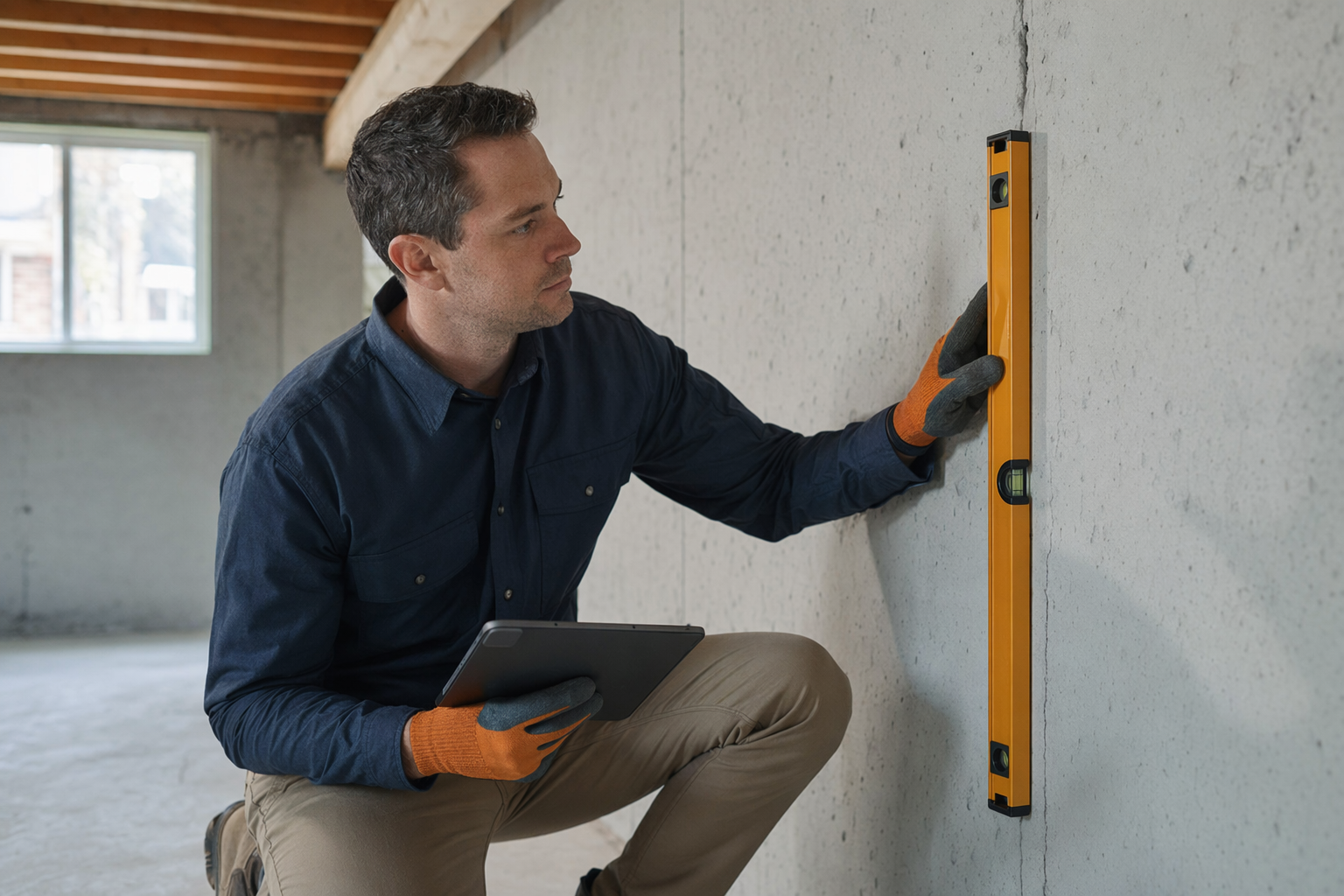
Why this should be your first step
Foundation and structural problems can be expensive. They can also be confusing. One contractor may say you need 12 piers. Another may say a crack is cosmetic. A third may try to sell waterproofing when the real issue is movement.
That is why BedrockBearing strongly recommends an evaluation by an independent, licensed structural engineer who does not also sell the repair. An engineer's job is to evaluate the structure and explain the likely cause. A contractor's job is to sell and perform a repair. Those are not the same job.
Getting the engineer first can help you:
- find out whether the problem is structural, drainage-related, cosmetic, or a mix
- understand how urgent it is
- avoid paying for work you may not need
- compare contractor bids against the same scope
- ask better questions about methods, permits, and warranty terms
If you are seeing stair-step brick cracks, drywall cracks that keep growing, sloping floors, doors that suddenly stick, bowing basement walls, or water entering the basement, take those signs seriously. They do not always mean major repair is needed, but they do deserve a real evaluation. For more on warning signs, see foundation warning signs.
What an independent structural engineer does
A licensed structural engineer can evaluate the visible signs, the layout of the home, and how the structure appears to be performing. They may document crack patterns, check for movement, look at drainage and grading conditions, and explain what concerns them and what does not.
In many cases, the engineer can provide a written report with observations and recommended next steps. That report may say one of several things:
- Monitor only. Some cracks and small amounts of movement can be watched over time.
- Fix water or drainage first. Gutters, downspouts, grading, or waterproofing may be part of the solution.
- Repair is recommended. The report may outline the type of stabilization or further investigation needed.
- Get another specialist involved. In some cases, a geotechnical engineer, mason, waterproofing contractor, or other specialist may also be needed.
An independent engineer report often costs about $400-$1,200 as a typical range. That is not a guarantee. The real price depends on your area, the home size, access, and how detailed the report needs to be.
That fee can save much more than it costs if it helps you avoid an unnecessary $10,000-$30,000 repair plan. Learn more about the process in our guide to a structural engineer evaluation.
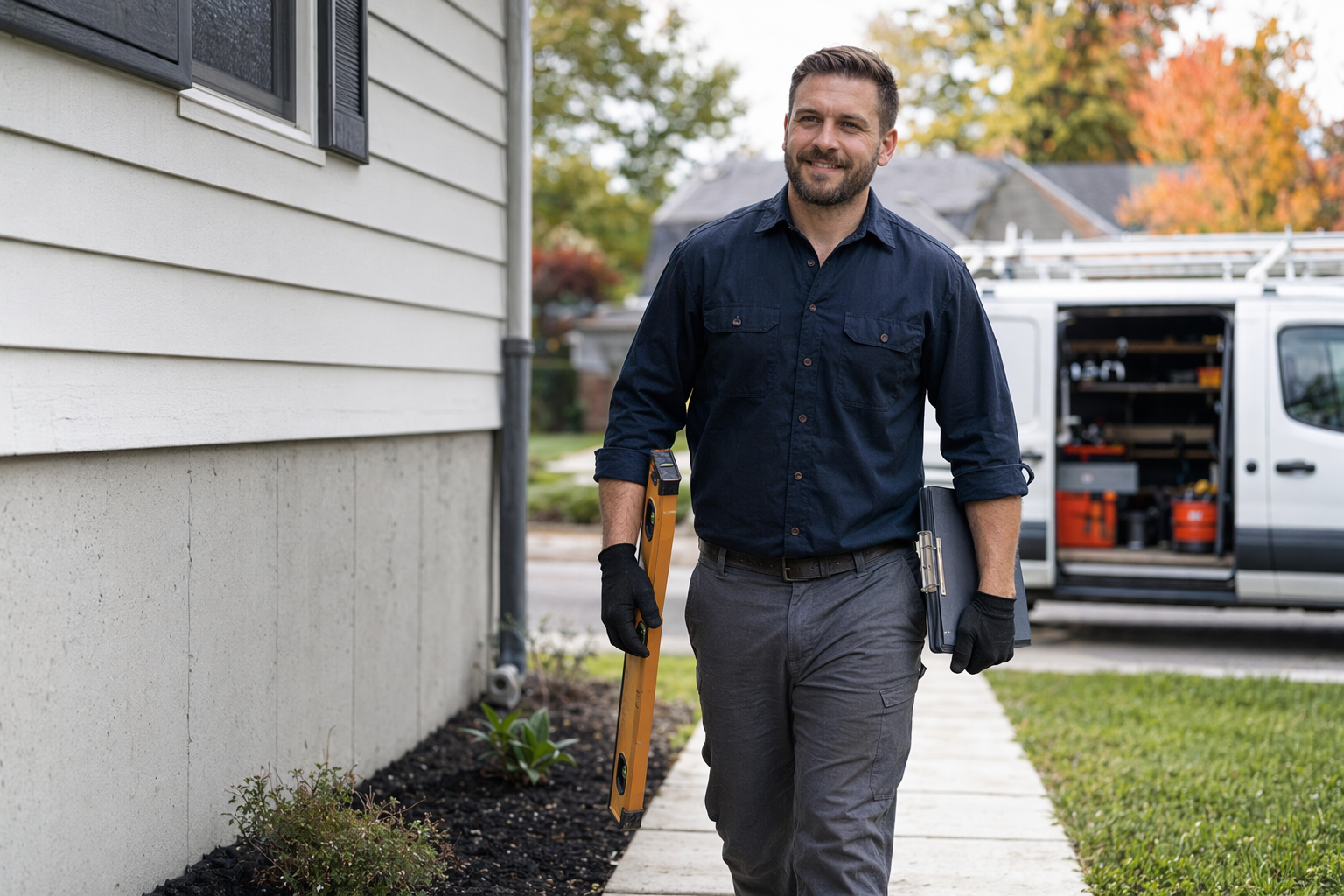
What an engineer can help you sort out
Many homeowners hear repair terms before they understand the cause. That is backwards. The cause matters.
For example:
- A small leaking crack may be handled with crack injection, often around $300-$2,500 as a typical range.
- A settled slab section may call for slabjacking or foam lifting, often around $600-$3,500 for a typical area.
- Serious settlement may require steel push piers or helical piers, often $1,200-$3,000 per pier, with many jobs needing 8-12 piers for a total that can reach $10,000-$30,000+.
- A bowing basement wall may need stabilization such as carbon fiber or beams, often $4,000-$15,000+.
- Water management or basement drainage work may run about $2,000-$12,000.
These are typical estimates, not quotes or guarantees. Real cost depends on the cause, soil and site conditions, access, method required, and your area.
The point is simple: the same symptom can lead to very different repair plans. A wall crack does not automatically mean piers. Wet basement walls do not automatically mean full waterproofing. A floor slope does not automatically mean active foundation failure.
An independent engineer helps you separate symptom from cause. Then, if repair is needed, you can ask contractors to bid on the right scope instead of guessing. If you want to read about specific methods, see piering and underpinning or foundation crack repair.
What to do, step by step
Use this order. It protects you.
- Look for urgent danger. If a wall is actively moving, a large new crack is opening fast, or you see signs of possible collapse, leave the area and contact a licensed structural engineer or your local building department right away.
- Write down what you are seeing. Note where the cracks are, when you first noticed them, whether doors stick, whether water comes in, and whether the problem seems to be getting worse.
- Take photos. Use good light. Include a coin or tape measure for scale if you can.
- Get an independent structural engineer evaluation first. Choose an engineer who does not also sell the repair.
- Read the report carefully. Ask what is urgent, what can wait, and what should be monitored.
- Then get contractor estimates if repair is recommended. Compare bids against the engineer's scope.
- Verify license and insurance yourself. Do not just take a business card or website at face value.
- Get scope and price in writing before any deposit. Make sure permits and inspections are addressed if required locally.
- Hold final payment until the contracted work is completed.
If you want help connecting with licensed, insured foundation repair pros after you have an engineer's findings, BedrockBearing can help. Our matching service is free to homeowners. You describe what you are seeing, and we help you compare local options at get matched.
Common mistakes that cost homeowners money
Here is where people get burned.
- Calling only repair companies and skipping the engineer. If the only people you talk to are selling repair, you may hear the most expensive answer first.
- Confusing a free sales inspection with an independent evaluation. A contractor visit may be useful, but it is not the same as a neutral engineering opinion.
- Choosing the lowest bid without matching the scope. One bid may include permits, drainage changes, excavation, or more piers than another.
- Ignoring water. Poor grading, clogged gutters, short downspouts, and drainage problems can add stress to a foundation.
- Paying a large deposit before reading the contract. Get the scope, payment terms, warranty language, and permit responsibility in writing.
- Not verifying license and insurance. Always verify it yourself.
- Waiting too long on serious warning signs. Not every crack is an emergency, but worsening movement should not be brushed off.
A good rule: first understand the problem, then compare solutions, then choose the contractor. The homeowner stays in control that way.
When you are ready to compare companies, use our guide on how to vet a foundation contractor.
Your next step
You do not need to guess. You do not need to agree to a big repair plan on the first visit. And you do not need to panic.
Start with an independent, licensed structural engineer. That is the cleanest way to understand what is happening and protect yourself from unnecessary work.
Then, if repair is actually recommended, compare estimates from licensed and insured contractors, verify their credentials yourself, confirm permits and code requirements, and make sure the scope and price are in writing before any deposit.
BedrockBearing does not inspect foundations, design repairs, or perform the work. We are a free matching service that helps homeowners, including new immigrants and non-native-English speakers, understand the process and connect with local pros when they are ready. You compare estimates. You choose who to hire. You hold the final payment.
If you see possible foundation trouble, get an independent licensed structural engineer to evaluate it before hiring a repair company. Then compare written estimates from licensed and insured contractors, verify their credentials yourself, and only move forward when you understand the real scope, price, and permits.