Foundation waterproofing & drainage
Water around a foundation can lead to damp basements, mold, damaged finishes, and sometimes movement or cracking. **Waterproofing and drainage can help control moisture**, but the right fix depends on where the water is coming from and whether there is also a structural problem.
What foundation waterproofing and drainage actually do
Foundation waterproofing and drainage are meant to manage water, not magically cure every crack or settlement issue. In many homes, the real problem is that rainwater is collecting near the foundation, hydrostatic pressure is building against basement walls, or surface drainage is sending roof and yard water to the wrong place.
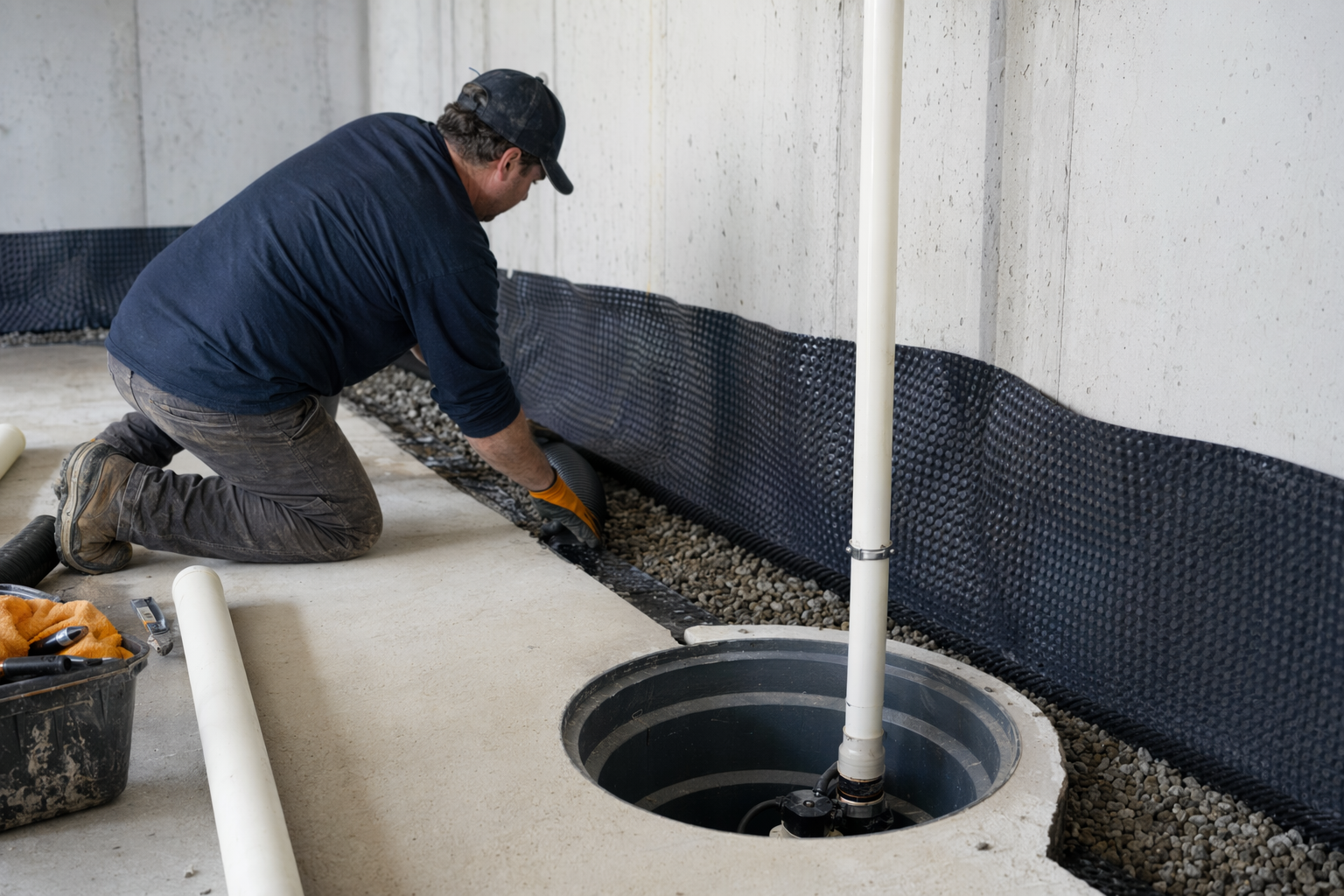
A waterproofing or drainage system may include exterior grading changes, gutter and downspout improvements, interior drains, sump systems, exterior membranes, drainage boards, or other moisture-control measures. Some systems help keep a basement or crawl space drier. Some reduce pressure on walls. Some do both.
What these systems do not do by themselves is confirm whether a wall is structurally sound or whether settlement needs piers or another structural repair. If you have bowing walls, major stair-step cracks, doors suddenly sticking, or slab movement, ask for an independent, licensed structural engineer first. The safest path is an engineer who does not also sell the repair. Read more about that here: structural engineer evaluation.
If a wall is actively moving, large new cracks are opening, or you see signs of possible collapse, leave the area and contact a licensed structural engineer or your local building department right away.
Common signs you may need drainage or waterproofing
Some warning signs point to a water-management problem more than a pure structural repair. Common examples:
- Water on the basement floor after rain
- Damp walls, peeling paint, white chalky residue, or musty odors
- Mold growth near foundation walls
- A sump pump running often, or no sump where one may be needed
- Downspouts dumping water next to the house
- Soil sloping toward the foundation instead of away from it
- Efflorescence, rusting metal columns, or damp crawl-space insulation
- Minor seepage through wall cracks or the cove joint where wall meets floor
These signs still deserve a careful look. Water entry can happen with settlement, wall pressure, or expansive soil. That is why we keep saying it: start with an independent engineer if there is any sign of movement, bowing, widening cracks, or uneven floors. For more on red flags, see foundation warning signs.
BedrockBearing is a free matching service. We help you understand what you are seeing and connect you with licensed, insured local pros. We do not inspect, design repairs, or perform the work.
How waterproofing and drainage usually work
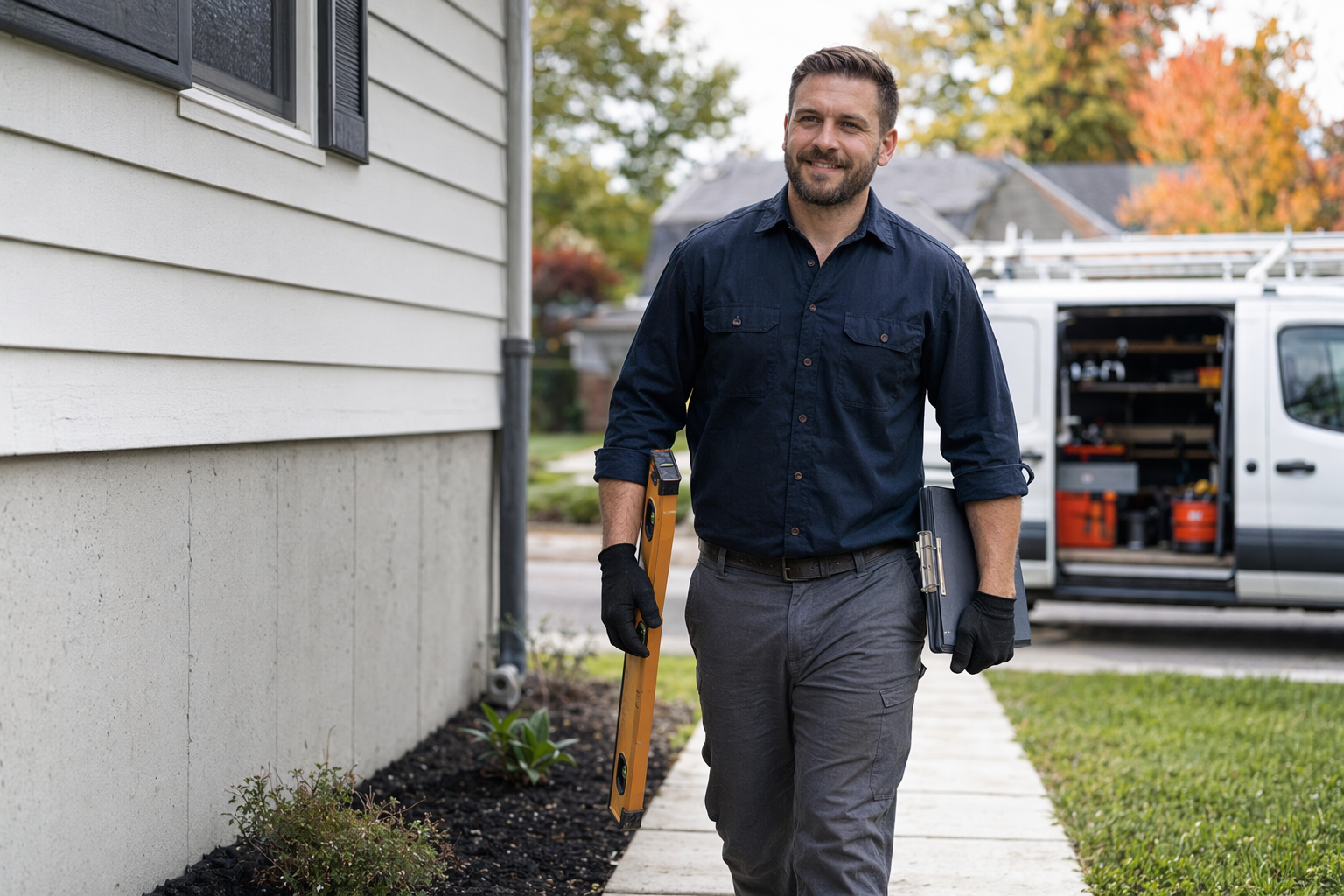
The right method depends on the water source, the foundation type, the soil, the lot slope, and access around the home. Real jobs often combine several measures.
1. Surface water control
This is often the first step. Contractors may improve grading, extend downspouts, correct splash discharge, or address hardscape that traps water near the house.
2. Interior drainage
In a basement, this may involve a perimeter drain channel, drainage mat, sump basin, and pump system to collect and move water before it reaches living space.
3. Exterior waterproofing
When access and budget allow, exterior excavation can expose the wall so a membrane, coating, drainage board, and footing drain can be installed or repaired.
4. Crack sealing or injection
If water is entering through a specific crack, that crack may be sealed or injected. Typical crack injection work often falls around $300-$2,500, depending on crack size, accessibility, and whether there are multiple cracks. Learn more at foundation crack repair.
5. Related structural work when needed
If water pressure has contributed to wall movement, a separate structural repair may be needed. Bowing-wall stabilization can run roughly $4,000-$15,000+ depending on method and severity. Piers for settlement are a different category entirely and can be much more.
A good contractor should explain why each part is recommended. If the proposal jumps straight to an expensive system without clearly identifying the source of the water, slow down and get another opinion.
Typical cost ranges and what changes the price
Costs vary a lot. These are typical ranges and estimates, not quotes or guarantees. The real price depends on the cause, the soil and site conditions, access, the method required, and your area.
- Minor crack injection: about $300-$2,500
- Slabjacking or foam lifting for a typical area, when relevant to drainage-related slab settlement: about $600-$3,500
- Basement waterproofing or drainage system: about $2,000-$12,000
- Bowing-wall stabilization if pressure has already affected the wall: about $4,000-$15,000+
- Independent structural engineer report: about $400-$1,200
Why the range is so wide:
- Source of water: surface runoff, groundwater, plumbing leak, condensation, or multiple causes
- Where the water enters: floor crack, wall crack, cove joint, window well, crawl space, or many points
- Foundation type: slab, basement, crawl space, block wall, poured concrete, stone, or mixed construction
- Access: tight lot lines, decks, porches, landscaping, and interior finish materials all affect labor
- Drainage discharge: where sump or drain water can legally and safely go
- Need for structural repair: waterproofing is one budget; settlement or wall stabilization is another
If you want to compare local pricing, start here: costs. Then get the scope in writing before any deposit.
Timeline, disruption, and what to expect during the job
A small repair may take only a few hours. A larger drainage or waterproofing project may take 1 to 5 days, sometimes longer if excavation, concrete replacement, finish demolition, weather delays, or permit issues are involved.
What homeowners should expect:
- Noise and dust: especially for interior perimeter drain work
- Access needs: contractors may need clear access along basement walls or around the exterior
- Temporary pump setup: some systems need electrical work or discharge routing
- Concrete patching: interior drain installations often involve cutting and replacing sections of slab
- Cleanup and drying time: the space may need time to dry out before repainting or refinishing
Ask these practical questions before work starts:
- What exact water source are you addressing?
- Why is this method better than simpler drainage corrections?
- Will this work require permits in my city or county?
- Who handles cleanup, concrete patching, and disposal?
- What maintenance does the system need?
- What is excluded from the price?
Make sure the contractor is licensed and insured, and verify the license and insurance yourself. Follow local permit and code rules. Do not rely on verbal promises. Get the scope, materials, timeline, and price in writing before paying a deposit.
Pros, limits, and where homeowners get burned
Waterproofing and drainage can be worth it, but only when the system matches the actual problem.
Potential benefits
- Reduces water intrusion and dampness
- Helps protect flooring, drywall, stored items, and air quality
- Can lower pressure against foundation walls in some situations
- May make a basement or crawl space more usable
Important limits
- It may not fix settlement, differential movement, or severe wall bowing
- It may not solve water problems caused by plumbing leaks or HVAC condensation
- It may require maintenance, especially sump pumps and discharge lines
- It is not one-size-fits-all; interior systems and exterior systems solve different problems
Where people get burned:
- Buying a big system without knowing the true cause
- Hiring a company that both diagnoses and sells the most expensive fix
- Skipping an engineer when movement or structural distress is present
- Not checking license, insurance, permits, and written scope
- Paying too much upfront before materials and schedule are clear
That is why BedrockBearing strongly recommends an independent, licensed structural engineer first when there is any sign of structural movement. Then compare written estimates. Then choose. If you need help finding licensed, insured companies to quote the work, you can get matched for free.
Engineer first, then compare written estimates
Here is the safest order for most homeowners:
1. Document what you see
Note when water shows up, where it enters, what weather causes it, and whether cracks or sticking doors are changing.
2. Separate moisture problems from structural problems
If there is bowing, settlement, widening cracks, or obvious movement, get an independent structural engineer first.
3. Get 2-3 written estimates
Compare scope, not just price. One bid may include drainage correction; another may not.
4. Verify license and insurance yourself
Do not skip this step.
5. Review permits, code, and payment terms
Hold final payment until the agreed work is complete.
You stay in control. An engineer evaluates. Contractors explain their scope. You compare estimates, you choose who to hire, and you hold the final payment.
If you want help connecting with licensed, insured local pros after you understand the problem, BedrockBearing can help. We are a free homeowner matching service. Participating pros pay a flat fee to be listed and matched. You can also read our checklist on how to vet a foundation contractor.
If water is getting into your basement or crawl space, do not guess. Fixing drainage early can help, but if you also see movement, widening cracks, or a bowing wall, get an independent licensed structural engineer first. Then compare written estimates from licensed, insured contractors, verify their credentials yourself, and do not pay the final amount until the agreed work is done.