Foundation repair warranties explained
A warranty can matter, but it is not proof that the repair plan is right. The safest first step is still an evaluation by an **independent, licensed structural engineer** who does not also sell the repair.
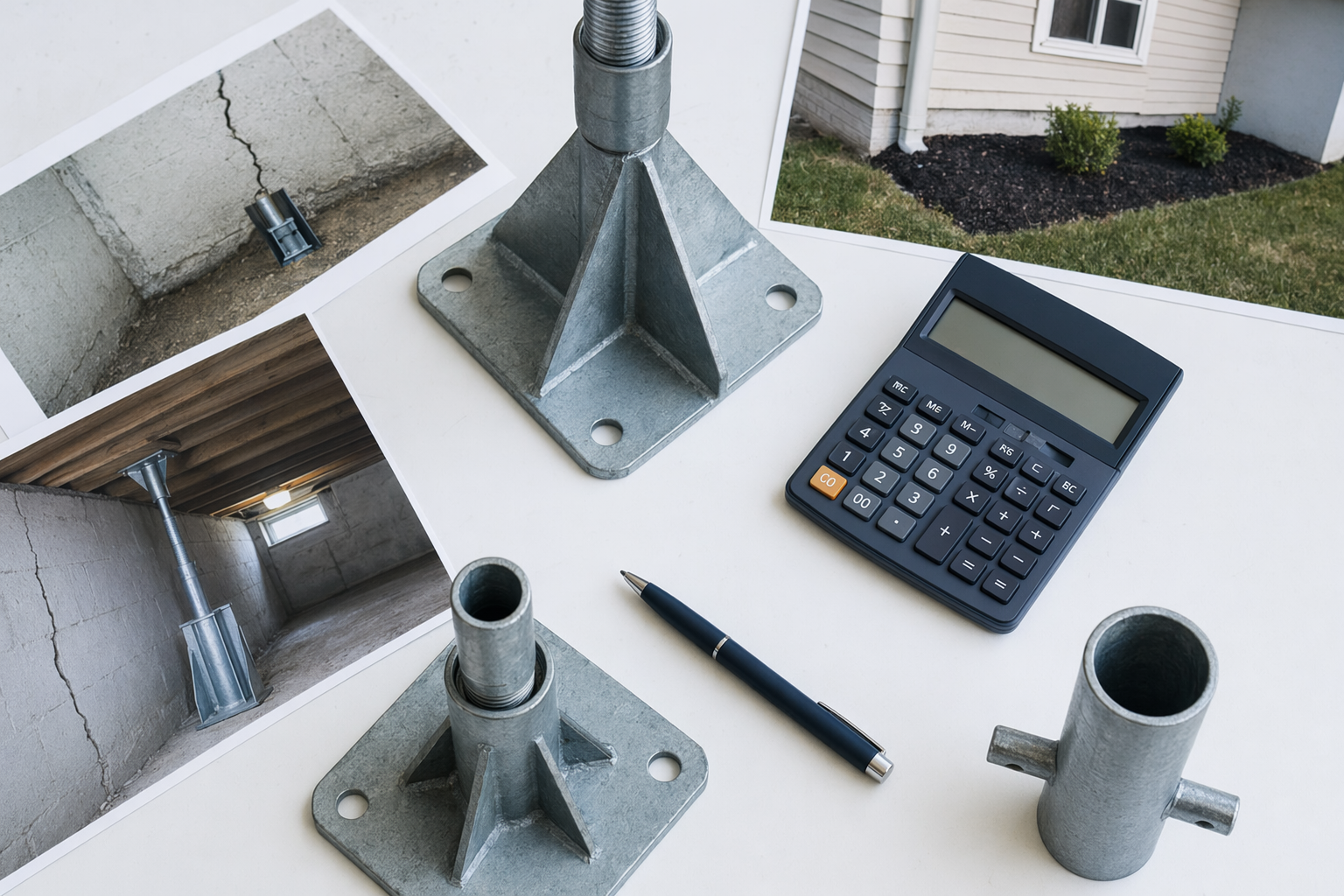
What a foundation repair warranty really means
A foundation repair warranty is a written promise about certain parts of the work for certain conditions for a certain period of time. It is not a guarantee that every crack, movement issue, drainage problem, or future settlement event will be fixed forever.
That is where homeowners get burned. They hear words like "lifetime" or "fully transferable" and assume they are protected no matter what happens. Often, they are not.
A warranty can be useful. But first you need the right diagnosis. If the cause is misread, a strong warranty on the wrong repair does not help much. That is why we strongly recommend getting an evaluation from an independent structural engineer before hiring a repair company. An engineer who does not sell the repair is less likely to push work you do not need.
If you are seeing new cracks, doors sticking, sloping floors, wall movement, or water around the foundation, take it seriously. Read the signs, document what you see, and compare written scopes carefully. If there are urgent signs like a wall actively moving, large new cracks opening, or signs of possible collapse, leave the area and contact a licensed structural engineer or your local building department right away.
BedrockBearing is a free matching service. We help homeowners understand the issue and connect with licensed, insured foundation repair pros. We do not inspect foundations, design repairs, or provide engineering advice.
What warranties usually cover, and what they often exclude
Most foundation repair warranties cover a specific repair method and whether that installed system performs as promised under the listed terms. The details vary a lot.
Common things a warranty may cover:
- A pier, anchor, beam, bracket, or crack-injection repair installed by that contractor
- Labor to revisit the repaired area if that exact repair fails under covered conditions
- Additional adjustment of certain pier systems, if movement continues within warranty terms
- Transfer to a new owner, if required paperwork is completed
Common things a warranty often excludes:
- New damage in other parts of the house or foundation
- Cosmetic damage like drywall cracks, trim gaps, tile cracks, or stuck doors
- Water intrusion unless waterproofing or drainage work was separately included
- Plumbing leaks, sewer issues, tree roots, erosion, poor grading, gutter discharge, or drainage failures
- Movement caused by expansive soils, drought, flooding, earthquakes, or other site conditions beyond the stated terms
- Damage from unpermitted work, additions, or changes to the structure after the repair
- Interior finishes, landscaping, patios, porches, driveways, and other non-covered areas
Read the scope line by line. A warranty on piering and underpinning is different from a warranty on crack repair, wall stabilization, or waterproofing. These are separate problems with separate methods.
Also pay attention to the difference between material warranty, labor warranty, and performance warranty. Those are not the same thing.
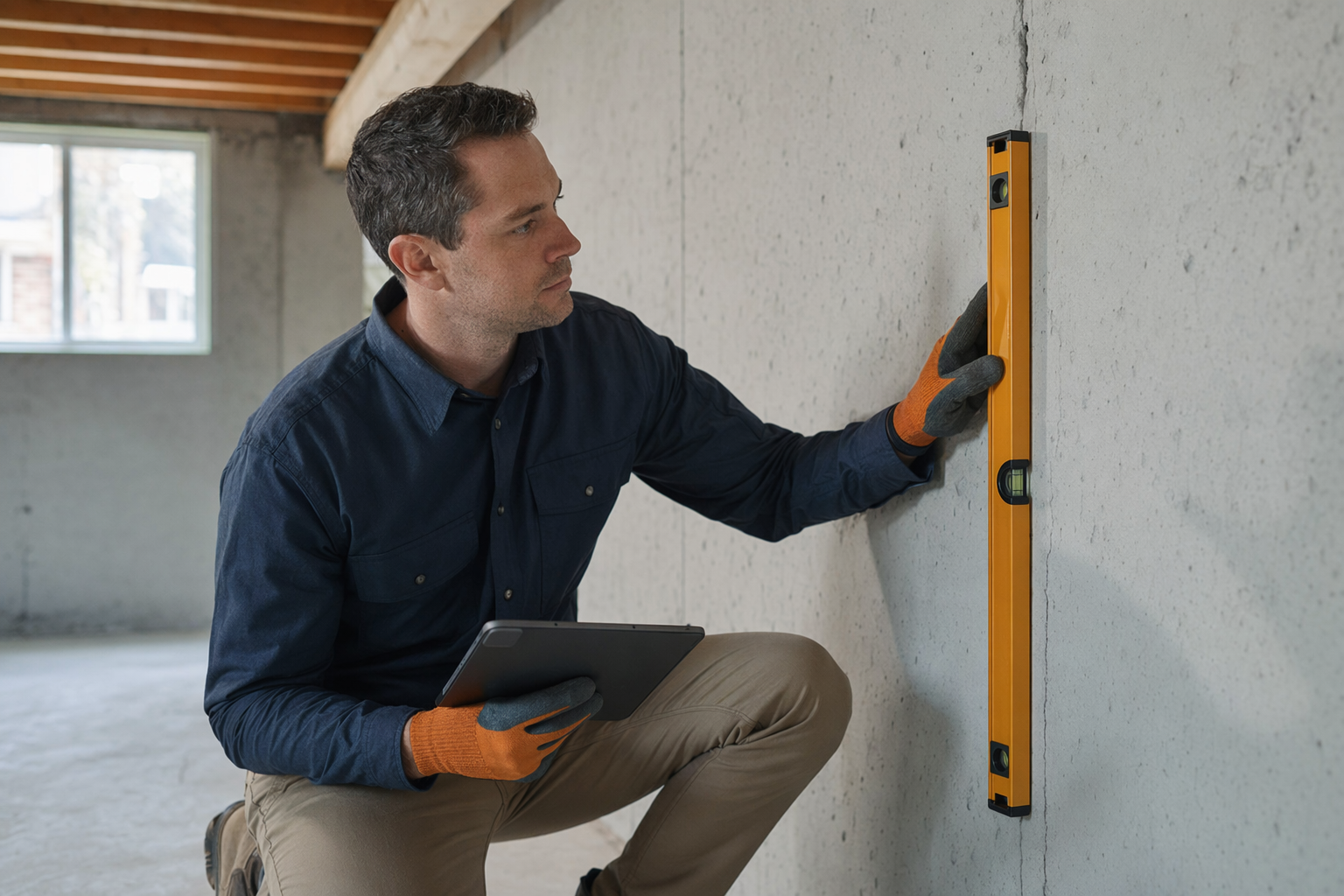
Words in a warranty that sound strong but need a closer look
Some warranty language sounds better than it really is. Slow down and ask plain questions.
1. "Lifetime warranty"
Ask whose lifetime. Yours? The structure's? The company's time in business? Also ask what events void it.
2. "Transferable"
Ask whether transfer is automatic or requires a fee, notice period, inspection, or paperwork before closing.
3. "Guaranteed stabilization"
Ask what measurement standard they use. Does it mean no further movement at all, or only within a stated tolerance?
4. "Includes repairs if needed"
Ask whether that means only adjustments to their installed system, or also interior crack repair, excavation, drainage correction, and finish restoration.
5. "No-cost return visit"
Ask if travel, excavation, access work, permits, or third-party engineering are extra.
6. "Void if conditions change"
Ask what counts as a change. Added landscaping? Plumbing leak? New patio? Poor gutter runoff? This matters.
7. "Subject to annual maintenance"
Ask exactly what maintenance is required, how often, who can perform it, and what records you must keep.
You should also ask for the warranty before signing, not after. If the salesperson says, "Don't worry, it's standard," ask for the exact written document. Get the scope, price, and warranty in writing before any deposit. Hire only licensed and insured contractors, and verify the license and insurance yourself. Follow local permit and building code requirements.
How to compare warranties the smart way
Do not compare warranties by length alone. Compare them by cause, method, limits, and who stands behind them.
Use this checklist when you review estimates:
- Diagnosis first: Did an independent engineer identify the likely cause? This step often costs about $400-$1,200 for a report, and it can save you from buying the wrong repair.
- Exact repair area: What part of the house or wall is covered?
- Method: Is the proposal for crack injection, slab lifting, piers, wall stabilization, or waterproofing? Different methods solve different problems. See typical foundation repair costs so you can spot bids that look too vague or too good to be true.
- Trigger for coverage: What has to happen before the warranty applies?
- What they will do: Adjust piers? Re-inject a crack? Add more materials? Just inspect?
- What they will not do: Finishes, drainage, plumbing, exterior concrete, landscaping?
- Transfer rules: Is there paperwork, a deadline, or a fee?
- Company backing: Is the warranty from the local contractor only, a manufacturer, or both?
- Permit and code: Will they pull required permits and close them properly where required by local rules?
Typical repair costs help put warranty claims in context. Crack injection may run about $300-$2,500. Slabjacking or foam lifting for a typical area may run $600-$3,500. Steel push piers or helical piers often run about $1,200-$3,000 per pier, and many jobs need 8-12 piers, so larger projects can be $10,000-$30,000+. Bowing-wall stabilization can be $4,000-$15,000+. Waterproofing and drainage work may be $2,000-$12,000. These are typical ranges, not quotes. Real price depends on the cause, soil and site conditions, access, the method required, and your area.
A long warranty on an oversized repair is not automatically a good deal. A shorter but clearer warranty on the right repair may protect you better.
Common mistakes homeowners make with foundation warranties
These are the mistakes we see again and again:
- Choosing the bid with the biggest warranty name, not the best diagnosis. A bad repair plan with a fancy warranty is still a bad repair plan.
- Skipping the independent engineer. This is the biggest one. An outside engineer helps you know whether the proposed repair is necessary and reasonable.
- Assuming all cracking is structural. Some cracks are minor. Some are not. You need the cause, not just the crack sealed. Learn the basics in foundation warning signs.
- Not reading exclusions. Water, drainage, plumbing, and finish damage are commonly excluded.
- Not documenting the condition before work. Take dated photos of cracks, floors, doors, windows, and exterior areas.
- Paying a large deposit without a full written scope. Get the repair method, quantity, location, permit responsibility, total price, payment terms, and warranty in writing.
- Failing to verify license and insurance. Do this yourself. Do not rely only on a brochure or verbal promise.
- Thinking BedrockBearing or any matching service is the contractor. We are not. We help you compare options from licensed, insured pros. You choose who to hire.
If you want help comparing estimates and finding local contractors to review, you can get matched at no cost to you. Participating pros pay a flat fee to be included.
What to do before you sign any foundation contract
Use this simple process:
- Write down what you are seeing. Note where the cracks are, whether doors stick, whether floors slope, and whether water shows up after rain.
- Take photos and dates. This helps you compare whether movement is changing.
- Get an independent engineer's evaluation first. This is the best protection against unnecessary work.
- Get 2-3 written estimates from licensed, insured contractors. Compare scope, method, quantity, permit handling, and warranty terms.
- Read the warranty slowly. Ask what is covered, what is excluded, what voids it, and how claims are handled.
- Verify license and insurance yourself. Also ask who will actually perform the work.
- Do not let anyone rush you with a same-day discount. Foundation work is too important for pressure sales.
- Hold final payment until the agreed work is complete. Keep all documents, photos, invoices, permits, and warranty papers together.
If you want a better contractor checklist, review how to vet a foundation contractor. The goal is simple: get the right diagnosis, compare written scopes, and stay in control of the decision.
A foundation warranty can help, but it is not a promise that every future problem is covered. Get an independent licensed structural engineer's opinion first, compare written scopes and exclusions carefully, verify license and insurance yourself, and do not sign until you understand exactly what the warranty does and does not cover.