How to Read and Compare Foundation Estimates
Foundation estimates can be hard to compare because different companies may suggest very different fixes for the same problem. The goal is not to find the fastest sales pitch. It is to understand the cause, compare the scope carefully, and make sure the work fits the real problem.
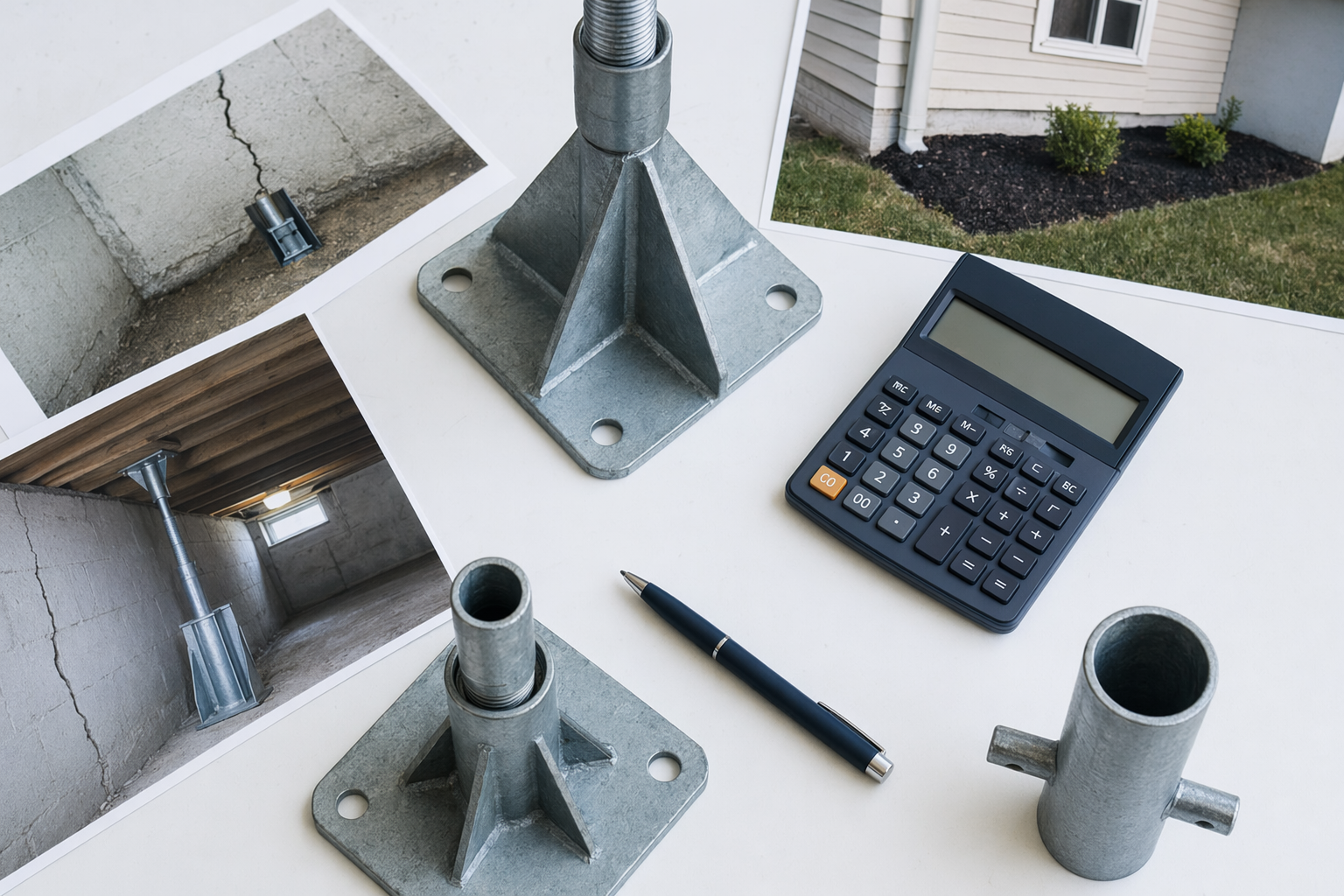
The short answer: do not compare price first
Do not start with the bottom-line number. Start with the diagnosis, then the repair method, then the written scope, and only then the price.
A foundation estimate is only useful if it clearly explains:
- What problem the contractor believes exists
- Why they think it is happening
- What repair they are proposing
- How much work is included
- What is not included
If two estimates propose different solutions, you are not comparing apples to apples. One company may suggest crack injection. Another may push piers. Another may say the main problem is drainage or wall movement. Those are not the same jobs.
That is why BedrockBearing strongly recommends getting an evaluation from an independent, licensed structural engineer before hiring a repair contractor. Independent means the engineer does not also sell the repair. That helps protect you from being sold work you may not need. A typical independent structural engineer report often costs about $400-$1,200, depending on the area and the complexity. See how an engineer evaluation helps.
If you are seeing urgent danger signs such as a wall actively moving, large new cracks opening quickly, or any sign of possible collapse, leave the area and contact a licensed structural engineer or your local building department right away. Foundation and structural problems can be serious and sometimes a safety risk.
What a good foundation estimate should include
A strong estimate should be detailed enough that you can understand the work without guessing. Short, vague proposals often lead to change orders, surprises, or disputes later.
Look for these items in writing:
- Problem description: what the company says is wrong
- Areas affected: which wall, corner, slab section, crawl space, or footing area
- Recommended method: for example crack injection, slabjacking, steel push piers, helical piers, carbon fiber straps, wall beams, drainage, or waterproofing
- Quantity: how many piers, how many straps, how many feet of drain, how many crack injections
- Depth or target criteria when relevant: especially for piering
- Preparation and cleanup: excavation, concrete patching, haul-away, landscape disturbance
- Permit responsibility: who pulls permits if required
- Monitoring or adjustment terms: if any follow-up visits are included
- Warranty terms: what is covered, what voids it, and whether it transfers to a future buyer
- Exclusions: cosmetic crack repair, interior finishes, plumbing, electrical, tile, cabinets, drywall, or engineering fees
You should also see realistic price ranges, not magic certainty. Typical costs vary a lot by cause, soil and site conditions, access, method, and region. As rough examples:
- Crack injection is often about $300-$2,500
- Slabjacking or foam lifting for a typical area is often about $600-$3,500
- Steel push or helical piers often run about $1,200-$3,000 per pier, and many jobs need 8-12 piers, so some projects land around $10,000-$30,000+
- Bowing-wall stabilization often falls around $4,000-$15,000+
- Basement waterproofing or drainage often runs about $2,000-$12,000
Those are typical estimates, not quotes or guarantees. For more context, see foundation repair costs.
If a proposal just says something like "stabilize foundation" with one price, that is not enough detail.
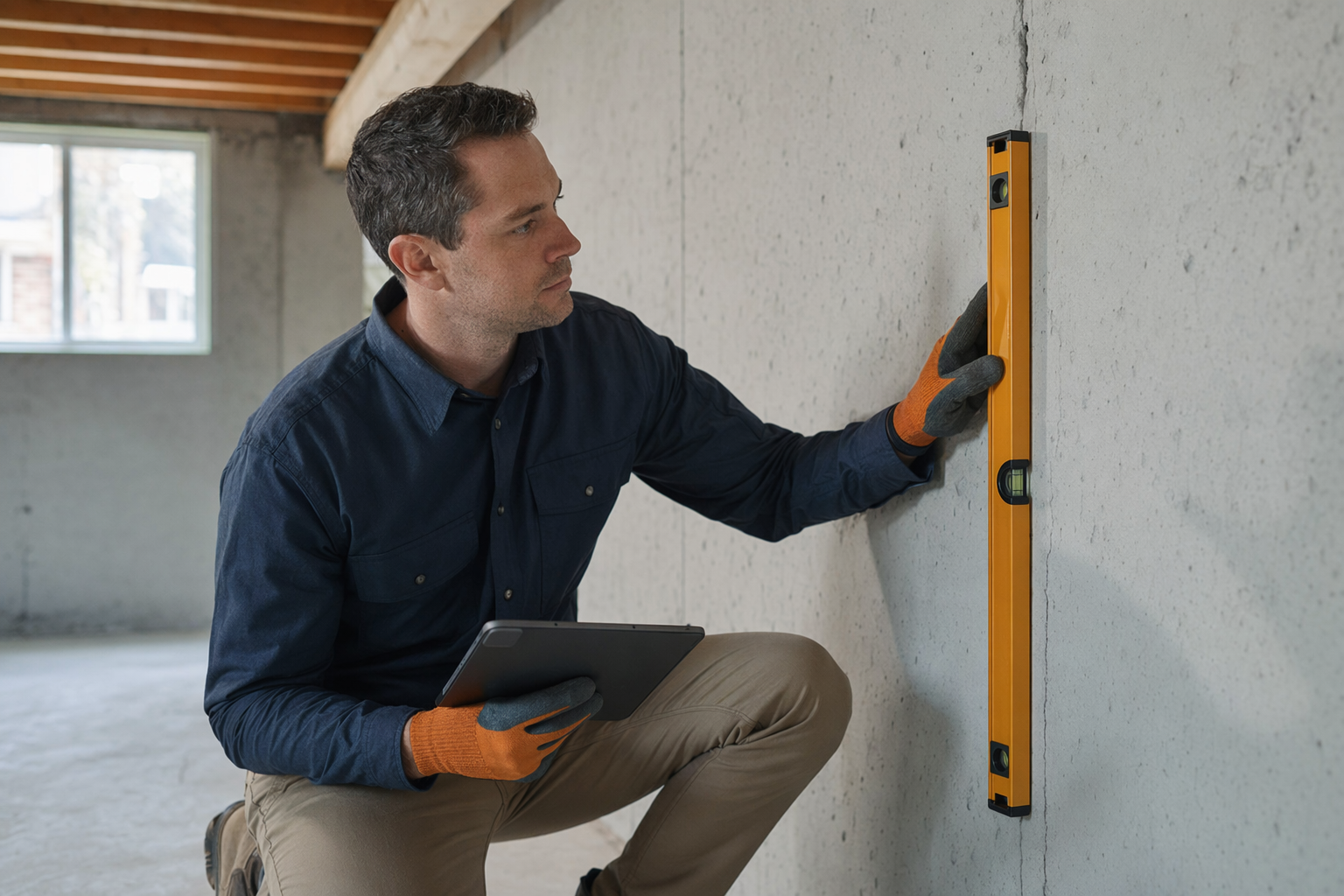
How to compare two or three estimates step by step
Use this simple method.
1. Match each estimate to the same problem
Read what each company says is causing the movement or damage. Expansive soil? Settlement? Water pressure? Poor drainage? Frost? Tree roots? If the claimed causes are different, ask why.
2. Compare the actual scope, not the sales language
Example: one pier estimate may include 10 steel push piers, excavation, bracket installation, lift attempt, and engineer-reviewed layout. Another may include 8 piers and no permit handling. Those are different scopes.
3. Check whether the repair addresses the cause
A crack fix may seal water entry but not stop settlement. Waterproofing may control moisture but not correct wall movement. Piering may stabilize settlement but not solve surface drainage. Sometimes more than one issue exists.
4. Separate structural work from water-management work
Many homeowners get confused because companies mix these together. A wall can need stabilization and drainage improvements. A wet basement estimate is not always a structural estimate. Related pages: piering and underpinning and foundation waterproofing.
5. Look closely at quantities
If one bid calls for 12 piers and another calls for 7, do not assume the lower number is better or worse. Ask what spacing and load assumptions they used. This is another reason an independent engineer matters.
6. Read the exclusions line by line
Some estimates leave out permit fees, interior slab patching, finish repairs, or drain discharge work. A lower price can become a higher final bill if key items are missing.
7. Ask what happens if conditions change once digging starts
Get unit pricing or written change-order rules when possible. Hidden conditions are common in foundation work.
8. Verify license and insurance yourself
Hire only licensed and insured contractors where required, and verify that yourself. Get the full scope and price in writing before any deposit. Follow local permits and code requirements.
If you need help getting connected with companies after you understand the problem, you can use BedrockBearing to get matched with licensed and insured foundation repair pros at no cost to you.
Red flags that make an estimate hard to trust
Some estimates are weak because the company is careless. Others are weak because the company is trying to close a sale before you slow down and ask questions.
Be careful if you see any of these:
- Pressure to sign today for a discount
- No recommendation for an independent structural engineer on a significant structural issue
- A one-page estimate with almost no scope details
- Big claims with no explanation, like "your house is sinking everywhere"
- No mention of permits when the work likely needs one
- Unclear warranty wording
- Very high deposit demands before you have a full written scope
- No proof of license or insurance
- Diagnosis based only on a quick sales visit with little measurement or documentation
- A repair method that seems larger than the symptoms justify
Also be careful with language like "lifetime" if the terms are vague. Ask:
- Is the warranty for materials, labor, or both?
- Does it cover future movement or only defects in the installed product?
- Is annual maintenance required?
- Is it transferable if you sell the home?
- Who stands behind it if the company changes name or closes?
If you are seeing cracks, wall movement, or settlement symptoms and want to understand which signs deserve faster attention, review foundation warning signs.
A calm rule of thumb: the best estimate is not the cheapest or the most expensive. It is the one that clearly matches a credible diagnosis and a complete written scope.
What to do next before you sign anything
Use this checklist before you choose a contractor:
- Get an independent, licensed structural engineer evaluation first for meaningful structural concerns
- Get 2-3 written estimates from licensed and insured contractors
- Compare scope, quantities, exclusions, permits, warranty, and cleanup, not just total price
- Ask each company to explain why their method fits the cause
- Verify the contractor's license and insurance yourself
- Make sure the contract shows the full scope and total price in writing before any deposit
- Keep copies of emails, drawings, photos, and change orders
- Hold final payment until the agreed work is substantially complete
BedrockBearing is a free matching service. We do not inspect foundations, design repairs, or perform the work. We help you understand what you may be dealing with and connect you, at no cost, with licensed and insured pros so you can compare estimates, you can choose who to hire, and you stay in control.
If you want a practical checklist for screening companies after you receive estimates, read how to vet a foundation contractor.
Do not choose a foundation company by price alone. First get an independent licensed structural engineer for real structural concerns, then compare 2-3 written estimates line by line, verify license and insurance yourself, and only sign when the scope, exclusions, permits, and warranty are clear.