Sticking Doors and Windows — A Foundation Sign?
Sometimes a sticking door is just humidity, swelling wood, or an old house settling. Sometimes it is an early sign of foundation movement or wall shift, and it is worth checking before the problem gets bigger.
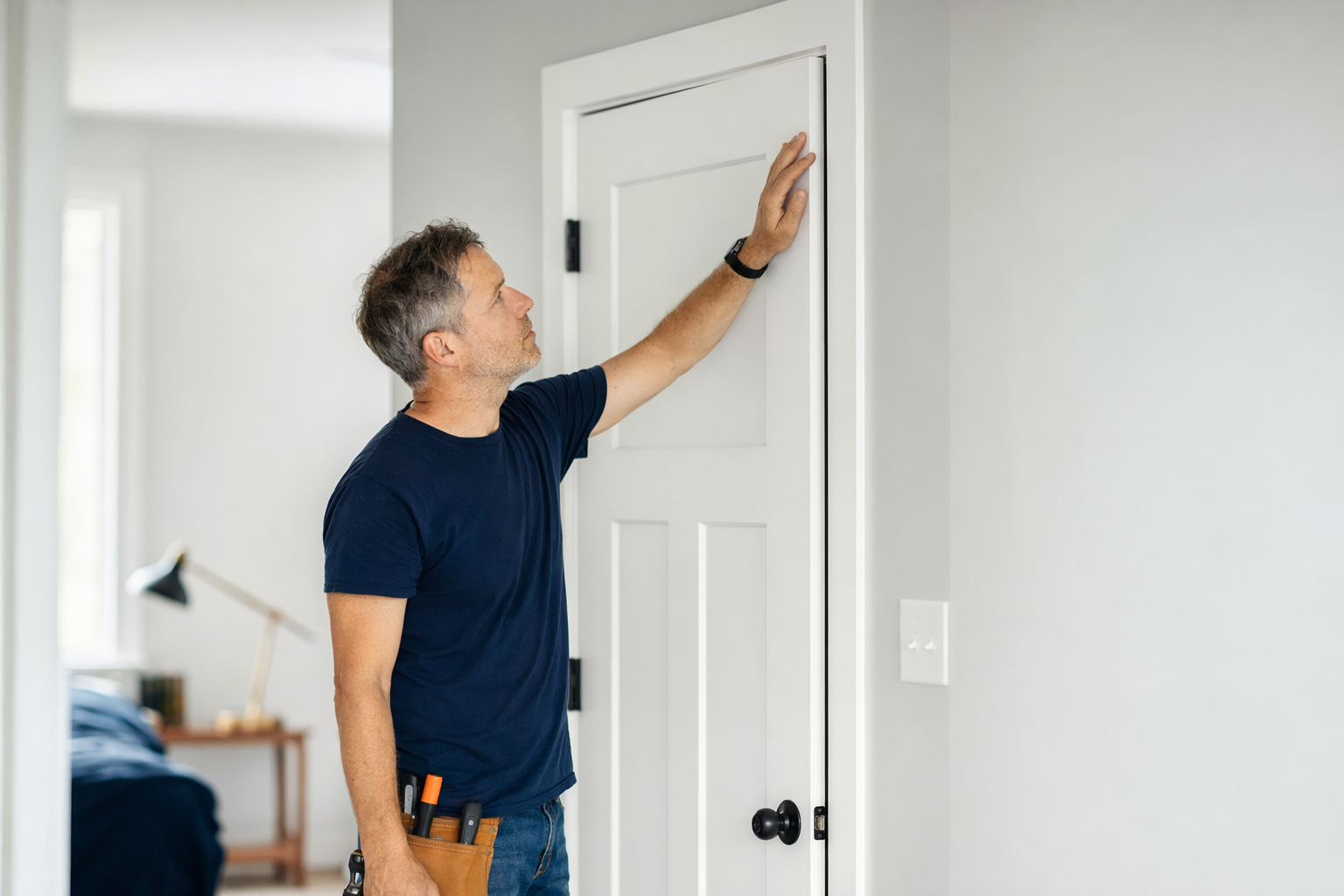
Short answer: yes, but not by itself
A door that rubs, will not latch, or suddenly will not close can be related to foundation movement. The same is true for windows that bind, will not lock, or feel twisted in the frame. But one sticky opening alone does not prove you have a foundation problem.
Doors and windows can stick for simple reasons too:
- seasonal humidity that swells wood
- paint buildup on edges
- loose hinges or worn hardware
- small frame movement in an older home
- flooring changes that affect door clearance
- normal house settling over time
The question is not just "Is this door sticking?" The real question is "Did something in the house move, and is it still moving?"
Foundation movement becomes more likely when sticking doors or windows show up together with other signs, such as:
- new cracks above door or window corners
- diagonal cracks in drywall
- gaps at trim or baseboards
- sloping or uneven floors
- windows or doors that used to work fine but changed quickly
- a basement or crawlspace wall that looks bowed, leaned, or cracked
If you are seeing a pattern, review common foundation warning signs and take notes on what changed and when.
Why foundation movement can make openings stick
Your house works like one connected system. When a footing settles, a slab moves, a beam shifts, or a wall bows inward, the rectangular openings in the house can become slightly out of square. Doors and windows do not need much movement before they start to bind.
A few common examples:
1. Settlement under one area of the home
A corner or section drops a little. That can twist the frame enough to make a door drag or a window jam.
2. Heaving or movement in expansive soils
Some soils swell when wet and shrink when dry. That up-and-down movement can affect slabs and framing.
3. Bowing or inward movement of a basement wall
If a foundation wall is pushed inward by soil pressure, openings above or near that area may stop working normally. If you also see horizontal cracking or wall movement, read about bowing wall stabilization.
4. Moisture problems
Poor drainage, plumbing leaks, or heavy water against the foundation can change soil conditions and contribute to movement. Water can also swell wood parts directly. Related drainage and moisture work may matter as much as structural repair. See foundation waterproofing for typical types of work homeowners are often shown.
That is why it is smart to slow down before hiring a repair company. A sticking door is a symptom. The fix depends on the cause. Sometimes the right answer is hinge adjustment or carpentry. Sometimes it is drainage. Sometimes it is foundation stabilization. And sometimes the home should be evaluated by an independent, licensed structural engineer first, especially if movement seems recent or is getting worse.
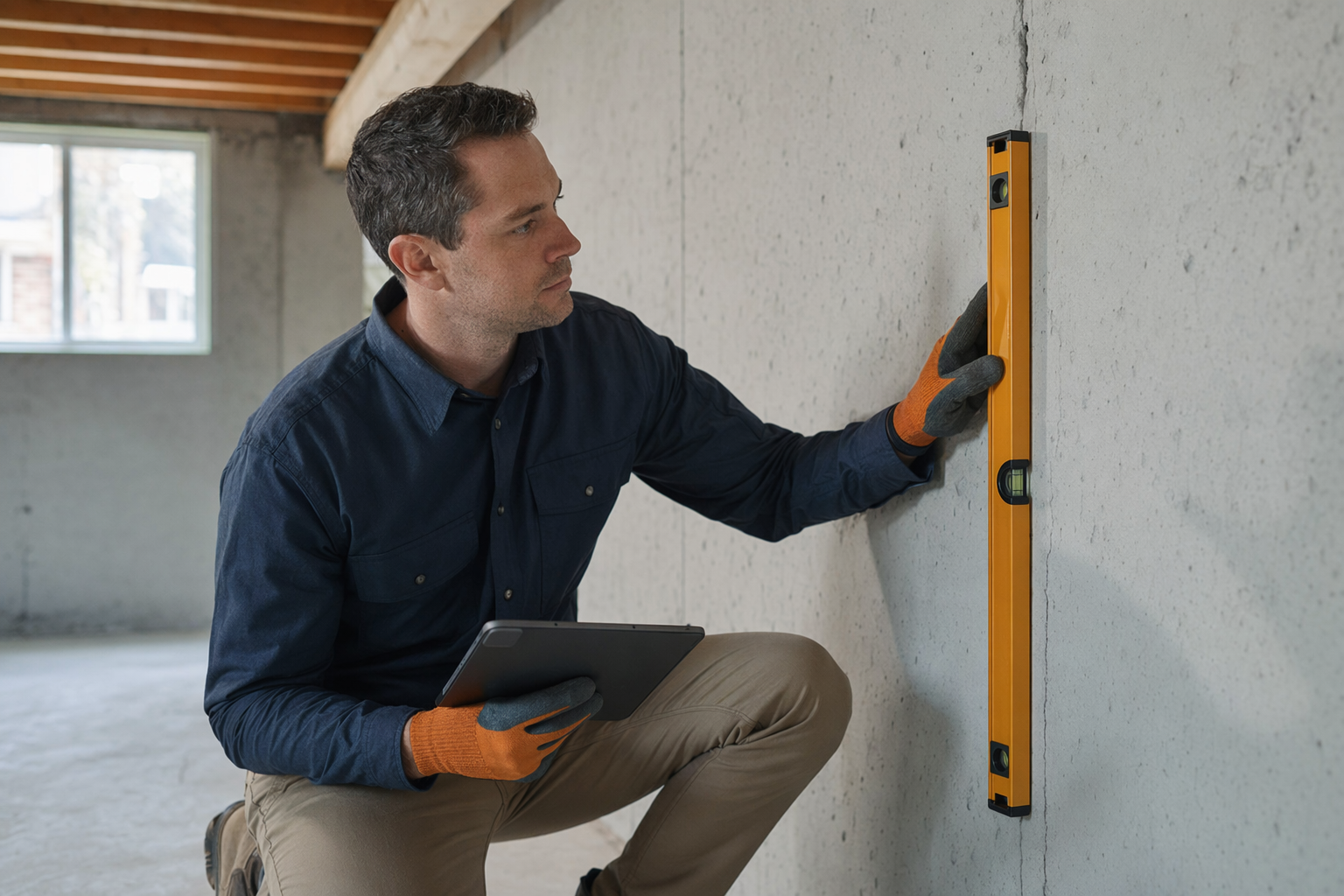
How to tell if it is probably minor or worth real concern
Use this simple checklist.
More likely minor:
- only one older wood door sticks during humid weather
- the problem improves when weather changes
- no new wall cracks nearby
- no sloping floors or growing gaps
- hinges are loose, rusted, or pulled from the frame
- paint or flooring is clearly causing rubbing
More concerning:
- several doors or windows started sticking around the same time
- the problem appeared suddenly, not gradually over many years
- doors latch differently from month to month
- diagonal cracks run from corners of openings
- you see stair-step cracks in brick or block outside
- floors feel noticeably out of level
- basement walls show horizontal cracks, leaning, or bowing
- there has been recent heavy rain, drainage failure, drought, plumbing leakage, or excavation nearby
A good homeowner check is to document, not guess:
- take photos of cracks and openings
- note which door edge rubs: top corner, latch side, or bottom
- test windows and locks
- use a level or a marble on the floor if you want a rough sense of slope
- look outside for downspouts dumping near the house or soil that slopes toward the foundation
Do not force a jammed window in a way that breaks the sash or frame, and do not assume a contractor's sales diagnosis is the same thing as an engineering evaluation.
If a wall is actively moving, a large new crack is opening, or you see signs that part of the structure may fail, leave the area and contact a licensed structural engineer or your local building department right away. BedrockBearing is a free matching service. We do not inspect, design repairs, or give engineering advice.
What to do next so you do not overpay
Here is the practical path most homeowners should follow.
1. Write down what you are seeing
Keep it simple: which doors and windows stick, when it started, whether cracks changed, and whether there was rain, drought, plumbing trouble, or drainage issues.
2. Get an independent structural engineer evaluation if there is a pattern
This is one of the best ways to protect yourself. Use an engineer who does not also sell the repair. A written engineer report often costs about $400-$1,200 as a typical range, depending on the home and area. It can help you avoid buying piers, wall anchors, or other work you may not need. Learn how to prepare for a structural engineer evaluation.
3. Only then compare licensed, insured contractors if repair is recommended
Verify the contractor's license and insurance yourself. Get the scope, materials, permit responsibility, and price in writing before any deposit. Follow local permit and code requirements. You choose who to hire, and you should hold final payment until the agreed work is complete.
4. Understand the typical cost ranges before you sign
Real prices depend on the cause, the soil and site conditions, access, the method required, and your area.
- crack injection is often about $300-$2,500
- slabjacking, mudjacking, or foam lifting for a typical area is often about $600-$3,500
- steel push or helical piers are often about $1,200-$3,000 per pier, and many homes need 8-12 piers, which can put projects around $10,000-$30,000+
- bowing-wall stabilization often runs about $4,000-$15,000+
- drainage or waterproofing work often runs about $2,000-$12,000
You can review broader foundation repair costs and, if you decide you want to talk with local pros, you can use our free matching service. Matching is free for homeowners. Participating pros pay a flat fee. There is no obligation to hire anyone.
One honest note for new homeowners and non-native English speakers
A lot of people get pressured here. A sticking door is easy for a salesperson to turn into a big repair pitch. Slow the process down.
Remember these basics:
- A symptom is not a diagnosis.
- An engineer evaluates. A contractor prices the repair.
- You compare estimates. You choose.
- You do not need to decide on the spot.
If English is not your first language, ask for:
- the problem explained in plain words
- a written scope with line items
- permit details in writing
- proof of license and insurance
- time to review the documents with family or a trusted adviser
That extra step can save you from paying for the wrong work.
A sticking door or window can be a foundation sign, but not always. If more than one opening changed, or you also see cracks, sloping floors, or wall movement, take it seriously and get an independent licensed structural engineer to evaluate it before you hire any repair contractor.