What Causes Foundation Settlement?
Foundation settlement usually means part of a home is moving downward more than the rest. The cause is often the soil under the house, but drainage, water, tree roots, poor compaction, and construction details can also play a part.
The short answer
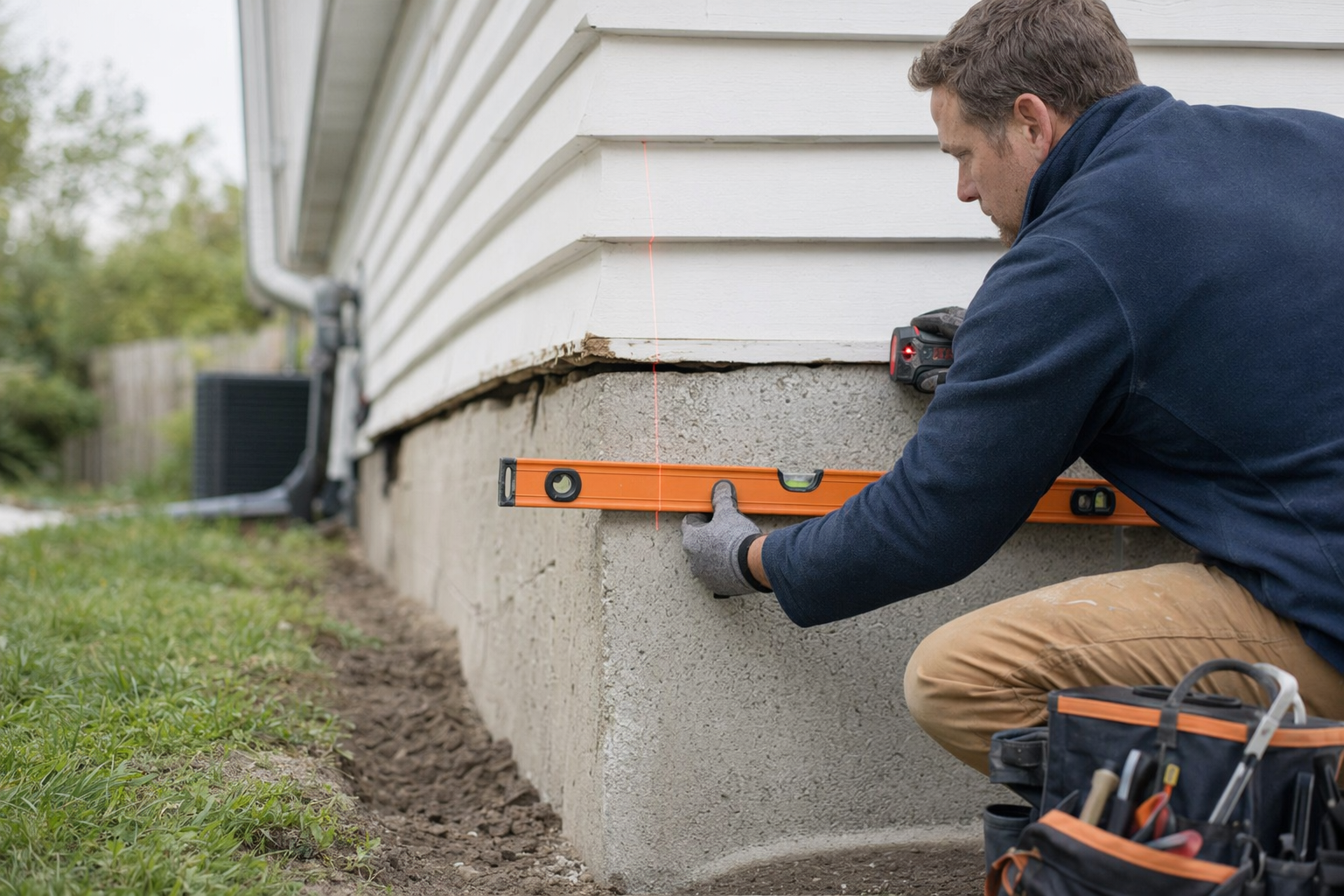
Most foundation settlement starts below the foundation, not in the concrete itself. A footing, slab, pier, or wall depends on the soil under it. If that soil shrinks, washes out, compresses, softens, or was not compacted well to begin with, the support changes and part of the home can drop.
Settlement can be minor and old or active and serious. Hairline cracks that have not changed much in years are different from new cracks, doors suddenly sticking, sloping floors getting worse, or a wall that looks like it is moving. If you see urgent signs such as a wall actively shifting, large new cracks opening quickly, or signs of possible collapse, leave the area and contact a licensed structural engineer or your local building department right away.
If the signs are not urgent, the safest next move is usually an independent, licensed structural engineer who does not also sell the repair. That helps you learn what is actually happening before any contractor tries to sell a fix. BedrockBearing is a free matching service. We help homeowners compare licensed, insured pros, but we do not inspect, design repairs, or perform the work. If you want help finding companies after you understand the problem, you can get matched.
The most common causes of foundation settlement
Several conditions can cause the soil under a home to lose support. Sometimes there is one clear cause. Often there are two or three working together.
- Expansive clay soils: Some soils swell when wet and shrink when dry. That repeated movement can leave parts of a slab or footing unsupported.
- Poor drainage: Gutters dumping near the house, clogged downspouts, negative grading, or standing water can soften soils or wash fines away.
- Drought and moisture swings: Long dry periods can shrink certain soils. Then heavy rain can change the support again. This cycle is a common reason movement shows up seasonally.
- Poorly compacted fill soil: If the lot was filled and the soil was not compacted well before construction, it may compress later under the weight of the house.
- Plumbing leaks: A leaking supply or drain line under or near a slab can add water where it should not be, weakening the soil or washing it out.
- Tree roots and vegetation: Large trees can pull moisture from clay soils. That does not mean every tree is a problem, but roots can contribute in some sites.
- Erosion or washout: Water moving along a slope, near a footing, or under flatwork can remove supporting soil over time.
- Construction or design issues: Shallow footings, undersized support, or building on uncontrolled fill can increase risk.
- Vibration or nearby excavation: In some cases, road work, heavy construction, or excavation close to the house can disturb supporting soils.
A key point: the visible crack is often a symptom, not the root cause. Filling a crack without understanding why the home moved may only hide the problem for a while. For more on common signs homeowners notice first, see foundation warning signs.
What settlement can look like in a real house
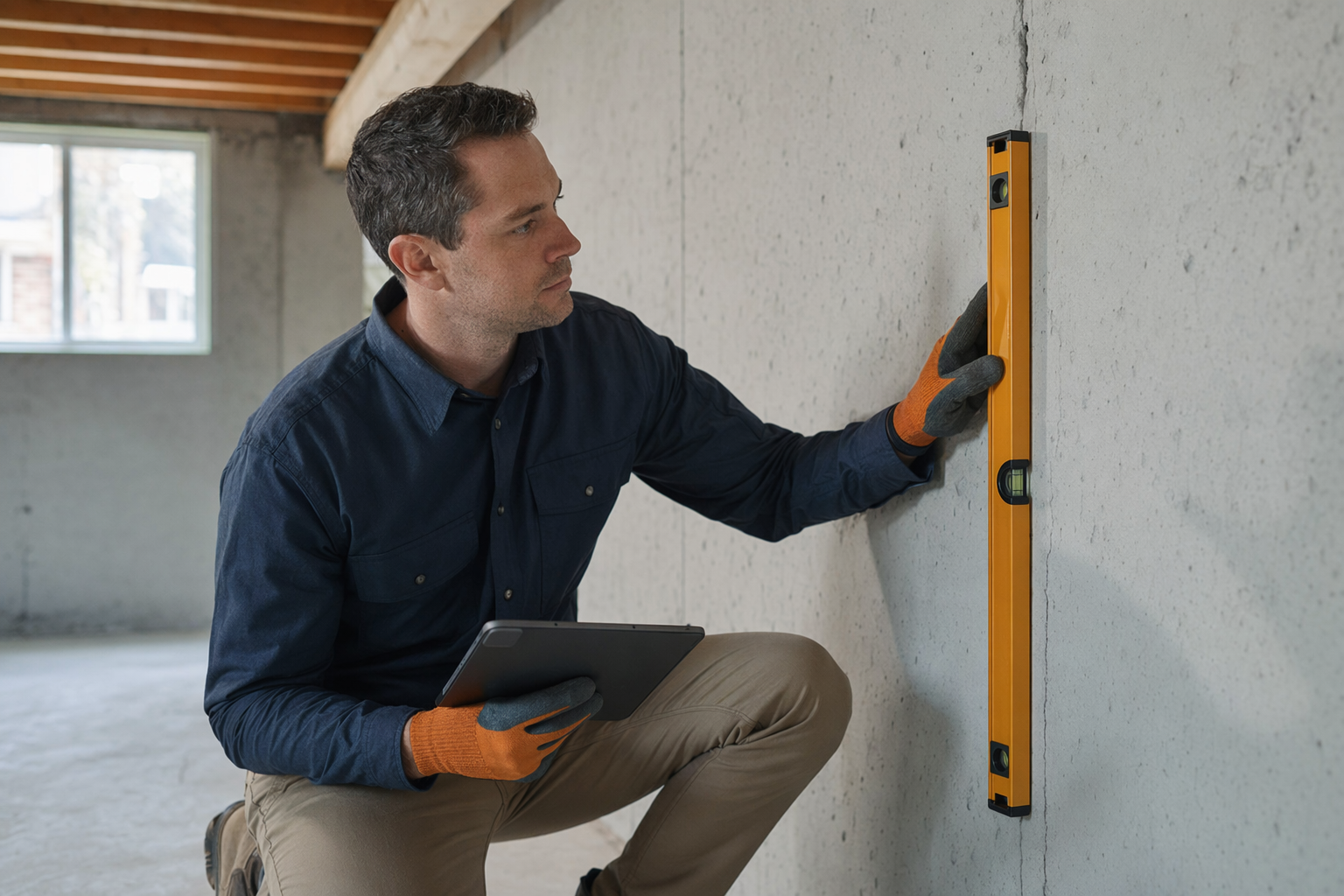
Settlement does not always mean a house is unsafe. But it does mean something changed enough to show up in the structure. Common signs include:
- Cracks in drywall, especially over doors and windows or where walls meet ceilings.
- Brick or exterior cracks, often stair-step cracks in masonry.
- Doors and windows sticking or latching differently than before.
- Uneven floors or a floor that feels more sloped in one area.
- Gaps at trim, cabinets, counters, or between walls and floors.
- Foundation cracks, including vertical, diagonal, or wider cracks that seem to be changing.
Some of these signs can also come from normal house movement, humidity changes, or older cosmetic settling. That is why guessing from one crack is risky. An independent engineer can help separate cosmetic movement from movement that may need repair.
If a contractor recommends piers, slab lifting, wall reinforcement, drainage work, or crack repair, ask what evidence shows that method matches the actual cause. A few typical repair cost ranges homeowners often hear are:
- Crack injection: about $300-$2,500
- Slabjacking, mudjacking, or foam lifting for a typical area: about $600-$3,500
- Steel push piers or helical piers: about $1,200-$3,000 per pier, with many jobs needing 8-12 piers for totals that can reach $10,000-$30,000+
- Bowing-wall stabilization with carbon fiber or beams: about $4,000-$15,000+
- Basement waterproofing or drainage: about $2,000-$12,000
- Independent structural engineer report: about $400-$1,200
These are typical ranges, not quotes or guarantees. Real price depends on the cause, the soil and site conditions, access, the method required, and your area. If you want more detail on repair categories and ranges, see costs.
What to do next without getting sold the wrong fix
Homeowners often get burned when they call the first repair company, skip the diagnosis step, and sign the biggest proposal out of fear. A calmer process usually works better.
1. Document what you see
- Take photos of cracks, sticking doors, sloped floor areas, and any water issues.
- Write down when you first noticed it and whether it seems to be changing.
- Mark crack ends lightly with pencil and date them so you can watch for growth.
2. Start with an independent structural engineer when the issue is more than cosmetic
- Look for a licensed structural engineer in your state.
- Best practice is an engineer who does not also sell the repair.
- Ask for a written evaluation of likely cause and recommended next steps. Learn more about that process here: structural engineer evaluation.
3. Correct obvious water problems
- Extend downspouts away from the home.
- Keep gutters working.
- Improve grading where water runs toward the foundation.
- If there may be a plumbing leak, have it checked.
4. Get more than one estimate if repair is recommended
- Compare the scope, not just the price.
- Ask each company why their method fits the engineer's findings.
- Verify that the contractor is licensed and insured yourself.
- Get the scope, price, warranty terms, and payment schedule in writing before any deposit.
- Follow local permit and code requirements.
5. Keep control of the job
- You compare estimates.
- You choose who to hire.
- You hold final payment until the agreed work is complete.
If you want help finding companies to quote a recommended repair, BedrockBearing can connect you with participating licensed, insured pros at no cost to you. You can also review tips on how to vet a foundation contractor.
Does settlement always mean piers? No.
No. Piers can be the right answer in some homes, but they are not the answer to every crack or slope. Settlement repair should follow the cause.
- If the main issue is voids or settled support under a slab section, slabjacking or foam lifting may be considered.
- If a wall problem is really about lateral soil pressure and water, drainage and wall stabilization may matter more than underpinning.
- If movement is minor and appears old and stable, monitoring may be more appropriate than rushing into major work.
- If water around the home is driving the problem, drainage correction may be part of the real fix.
- If deep soils are weak and the structure needs more reliable support, piering or underpinning may be recommended.
That is exactly why an independent engineer matters. The cheapest proposal is not always enough, and the biggest proposal is not always honest. If you want to understand one common repair path, see piering and underpinning.
Foundation settlement usually happens because the soil under part of your home changed. Take new or worsening signs seriously, fix obvious drainage problems, and for anything more than minor cosmetic cracking, start with an independent licensed structural engineer before comparing written estimates from licensed and insured contractors.