When a Foundation Problem Is Urgent
Some foundation problems can wait a little. Some cannot. If something is actively moving, getting worse fast, or looks unsafe, take it seriously and get the right licensed help quickly.
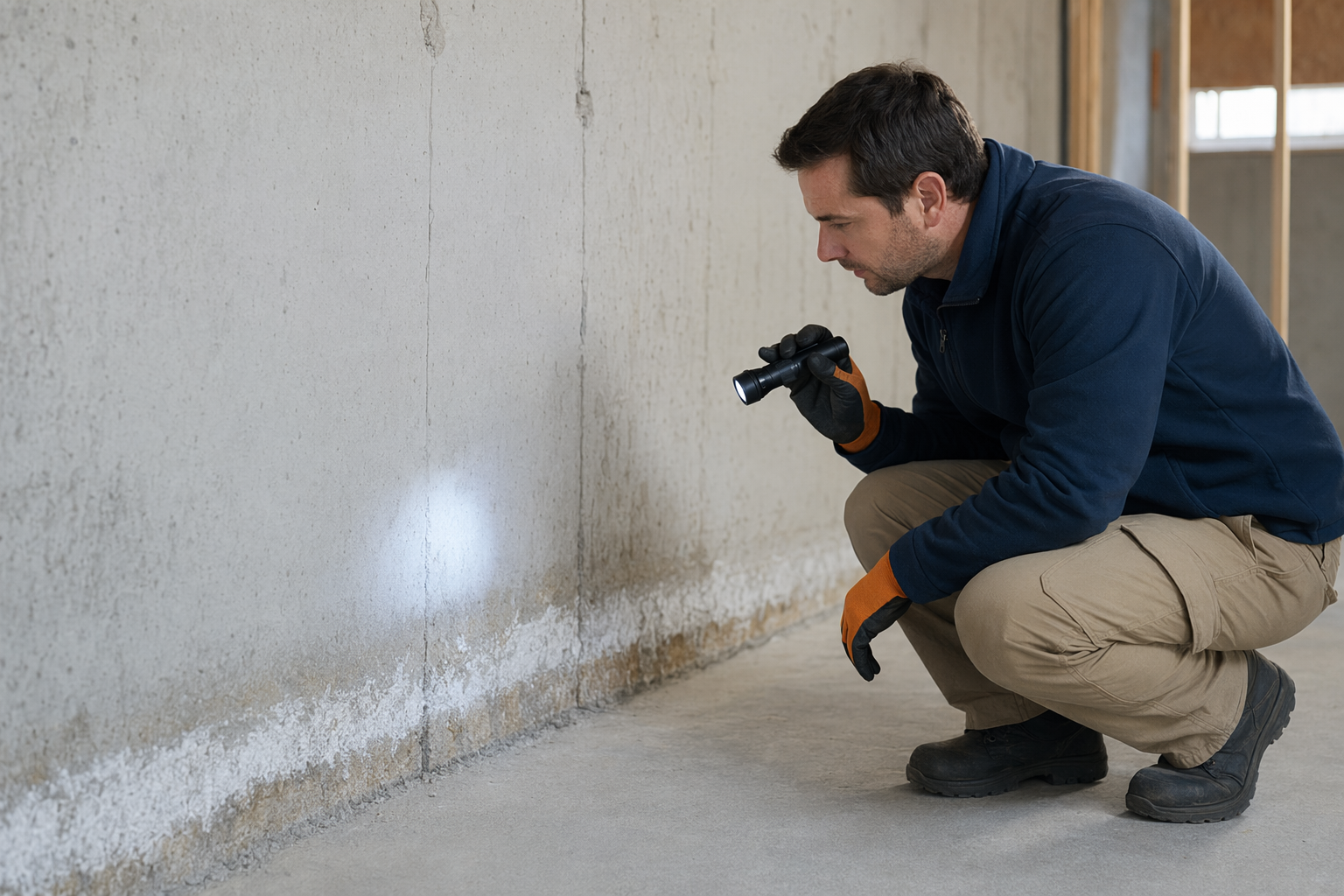
Know the difference between concerning and urgent
A lot of homes have small settlement cracks or old cosmetic damage. That does not always mean an emergency. But some signs mean you should act now, not next month.
Urgent warning signs include:
- A wall that is actively leaning, bulging, or sliding inward
- A large crack that is new and opening quickly
- Part of a foundation wall that looks like it may break apart or collapse
- Doors or windows that suddenly jam badly at the same time you see new wall or floor movement
- A floor that feels like it has dropped, shifted, or become unsafe to walk on
- Heavy water entry with visible wall movement, soil washout, or undermining near the foundation
- Posts, beams, or supports that look crushed, split, badly rotted, or out of place
If you see signs of imminent collapse or a wall that is actively moving, leave the area right away and contact a licensed structural engineer or your local building department immediately. BedrockBearing is a free matching service. We do not inspect, diagnose, engineer, or repair foundations.
If you are not sure whether what you see is serious, review common signs here: foundation warning signs.
What to do in the first 24 hours
Do the simple, safe things first.
- Keep people away from the risk area. Do not let anyone stand near a bowing wall, a collapsing porch, or a floor that may not be supported.
- Take clear photos and short videos. Get wide shots and close-ups. Note the date. If a crack is changing, mark the ends lightly with pencil and write the date.
- Reduce avoidable water problems if you safely can. Move downspouts away from the house, stop obvious plumbing leaks, and keep sump discharge away from the foundation. Do not dig next to the foundation unless a qualified pro tells you to.
- Get an independent structural engineer evaluation first. This is one of the most important steps. Hire a licensed structural engineer who does not also sell the repair. That helps protect you from being sold piers, wall anchors, drainage work, or crack repair you may not actually need. Learn what to expect here: structural engineer evaluation.
- Then compare licensed, insured contractors. Use the engineer's findings to compare scopes, methods, and pricing on the same problem.
A calm reminder: urgent does not mean you should sign the first proposal put in front of you. In many cases, the smartest move is engineer first, then contractor bids. The exception is a true immediate safety threat, where you should leave the area and contact an engineer or building department right away.
What the repair might involve
The right fix depends on the cause, not just the symptom.
For example:
- If soil movement caused settlement, a contractor may recommend piering or underpinning to transfer load deeper.
- If a basement wall is bowing from lateral soil pressure, stabilization may involve carbon fiber, steel beams, or anchors.
- If water is creating pressure or washout, drainage or waterproofing may be part of the plan.
- If the issue is only a non-structural crack, a simpler crack repair may be enough.
That is why the independent engineer matters so much. One contractor may say, "You need 10 piers." Another may say, "You need drainage first." Another may push a wall system. The engineer helps define what problem actually exists and what level of repair is appropriate.
When you talk to contractors, insist on:
- License and insurance, and verify both yourself
- A written scope that says exactly what they will do
- The repair method and where it will be installed
- Permit responsibility, if permits are required in your area
- Payment terms in writing before any deposit
You can also use this checklist before you hire anyone: how to vet a foundation contractor.
Honest cost ranges for urgent foundation issues
No one can give a real price from a photo alone. These are typical ranges and estimates, not quotes or guarantees. The actual cost depends on the cause, soil and site conditions, access, the repair method required, and local labor and permit rules.
Typical ranges:
- Independent structural engineer report: about $400-$1,200
- Crack injection or basic crack repair: about $300-$2,500
- Slabjacking, mudjacking, or foam lifting for a typical area: about $600-$3,500
- Steel push piers or helical piers: about $1,200-$3,000 per pier, with many jobs needing 8-12 piers, so total projects often land around $10,000-$30,000+
- Bowing-wall stabilization with carbon fiber or beams: about $4,000-$15,000+
- Basement waterproofing or drainage: about $2,000-$12,000
A few truths homeowners should know:
- The cheapest bid is not always the cheapest outcome if the method is wrong.
- The biggest bid is not always the most complete or correct.
- If a contractor wants a large deposit before giving a clear written scope, slow down.
- If someone says you must sign today or the price disappears, be careful.
For broader pricing context, see foundation repair costs.
Your next step if you are worried right now
If the problem looks dangerous, act today.
- Leave the area if there is active movement, major new cracking, or signs of possible collapse.
- Contact a licensed structural engineer or your local building department for urgent safety concerns.
- If the situation is serious but not immediate collapse, get an independent engineer evaluation first.
- Then compare licensed, insured repair contractors.
BedrockBearing is free for homeowners. We help you describe what you are seeing and get matched with foundation repair pros in your area. Participating pros pay a flat fee to be included. You compare estimates. You choose who to hire. You control final payment.
If you want help finding contractors after you understand the problem, start here: get matched.
If your foundation problem is getting worse fast or looks unsafe, keep people away and get a licensed structural engineer or local building department involved right away. For most serious but not immediate emergencies, pay for an independent engineer first, then compare written bids from licensed and insured contractors.