Foundation Repair in Older Homes
Older homes often have foundation issues that are different from newer houses. Some signs are manageable. Some need fast attention. The smart move is to understand what you are seeing, then get an **independent, licensed structural engineer** to evaluate it before you hire a repair contractor.
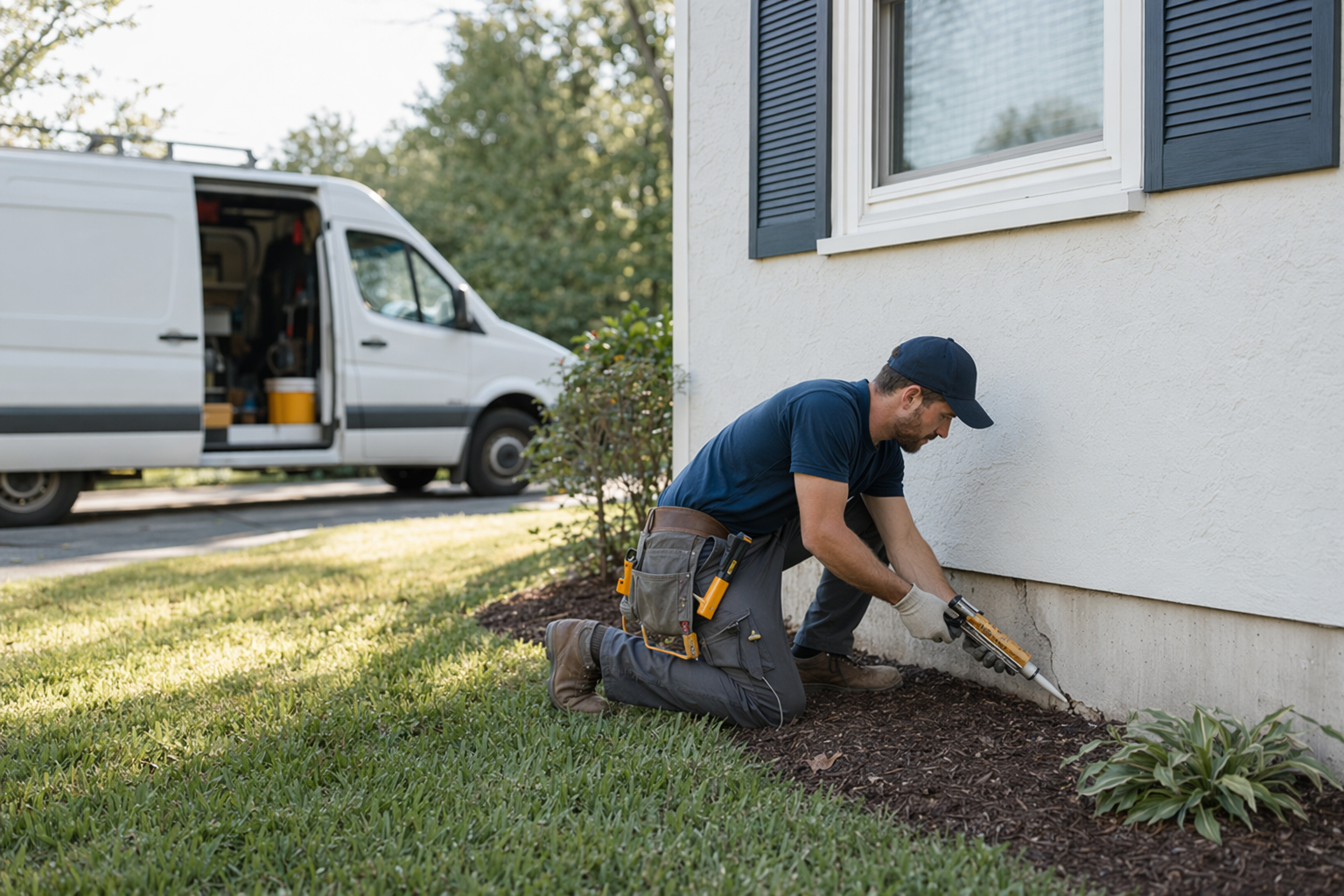
Why older homes have different foundation problems
An older home is not automatically a bad home. Many have stood for 50, 80, or 100 years because they were built well. But age changes the picture.
Materials wear out. Drainage patterns change. Tree roots grow. Old mortar can weaken. Wood can rot where moisture has been present for years. Some older homes were built before modern footing details, waterproofing, and soil practices were common.
Common issues in older homes include:
- Settlement over time that shows up as sloped floors, sticking doors, and cracks above windows or doors
- Stone, brick, or block foundation movement where mortar joints crack or walls begin to lean inward
- Water intrusion in basements and crawl spaces from failed drainage, hydrostatic pressure, or old dampproofing
- Localized damage from poor downspout discharge, plumbing leaks, or rotted sill areas
- Previous repairs that may or may not have solved the real cause
A key point: not every crack means major structural repair. Hairline shrinkage cracks, old patched cracks, and minor cosmetic movement can exist in older homes without needing piers or beams. But new movement, worsening cracks, bowing walls, or water pressure signs should be taken seriously. If a wall is actively moving, a large new crack is opening, or you see signs of possible collapse, leave the area and contact a licensed structural engineer or your local building department right away.
If you are not sure what counts as serious, start with foundation warning signs.
What to consider before anyone talks about a repair method
Older homes can fool people. A contractor may look at a crack and jump straight to piers, carbon fiber, waterproofing, or a rebuild. But the right repair depends on the cause, not just the symptom.
Before you agree to any work, think through these questions:
1. What changed, and when?
Did the crack appear after a drought, heavy rain, plumbing leak, or nearby excavation? Did doors start sticking this year, or has it been the same for 20 years?
2. What is the foundation type?
Older homes may have stone, brick, unreinforced block, shallow footings, or mixed additions from different eras. That matters because repair options and risks are different.
3. Is water part of the problem?
Bad grading, short downspouts, clogged gutters, and wet soil often make movement worse. In many homes, drainage correction is part of the real fix. See foundation waterproofing if water is entering or collecting around the home.
4. Is the movement old and stable, or active?
Old patched cracks with no recent change are different from a crack that widened in the last few months.
5. Has the house been altered?
Additions, removed walls, chimney changes, basement finishing, and old DIY work can all affect what you are seeing.
This is why we strongly recommend an independent, licensed structural engineer first, especially for an older home. Independent means the engineer does not also sell the repair. That gives you a better chance of getting an honest diagnosis and a repair plan based on need, not sales pressure. Learn what that evaluation usually includes at structural engineer evaluation.
BedrockBearing does not inspect, engineer, or repair foundations. We are a free matching service that helps you describe what you are seeing and compare licensed, insured foundation repair pros. You stay in control.
Typical repair costs in older homes
Costs in older homes can vary more than people expect. Access may be tight. Masonry may be fragile. Soil conditions may be unknown. Previous repairs may need to be removed or worked around. So treat every number below as a typical range, not a quote.
Real price depends on the cause, the soil and site conditions, access, the method required, and the area.
Here are common ranges homeowners see:
- Crack injection: about $300-$2,500 for certain cracks, often depending on length, material, and whether the crack is leaking. More at foundation crack repair.
- Slabjacking, mudjacking, or foam lifting: about $600-$3,500 for a typical area when a slab or walkway has settled.
- Steel push piers or helical piers: about $1,200-$3,000 per pier, with many jobs needing 8-12 piers, so total jobs often land around $10,000-$30,000+. More at piering and underpinning.
- Bowing-wall stabilization with carbon fiber straps or steel beams: about $4,000-$15,000+, depending on wall length, movement, and whether excavation is needed.
- Basement waterproofing or drainage work: about $2,000-$12,000, depending on interior vs exterior work, pumps, drains, and wall condition.
- Independent structural engineer report: often about $400-$1,200.
Important truth: older homes sometimes need a combination of repairs. For example, a house may need drainage corrections plus wall stabilization. Or piers may be recommended only on one section, not the whole house. Be careful with one-size-fits-all proposals.
Also be careful with very low bids. In foundation work, cheap can mean undersized scope, no permit help where needed, weak warranty terms, or a contractor trying to get a deposit before you understand the problem. Always get the scope and price in writing before any deposit.
How to compare estimates without getting burned
When homeowners overpay, it is often not because they failed to get three prices. It is because they compared prices without comparing diagnosis, scope, and assumptions.
Use this checklist:
- Start with an independent engineer's evaluation when the issue is structural, widespread, or unclear
- Hire only licensed and insured contractors where required, and verify the license and insurance yourself
- Ask each contractor to explain why the movement happened and what happens if you do nothing for 6-12 months
- Make sure the proposal says exactly how many piers, beams, drains, anchors, or crack repairs are included
- Ask what is included for excavation, cleanup, concrete patch-back, permit handling, and inspections
- Ask whether the plan addresses the cause such as drainage or water pressure, not just the symptom
- Read warranty language carefully. A long warranty is not the same as a good diagnosis
- Follow local permits and building code
A few red flags in older-home foundation sales:
- "You need the whole house underpinned" after a very short visit
- Pressure to sign today for a discount
- Refusal to work from an engineer's report
- Vague language like "stabilize as needed" with no clear quantities
- No proof of license or insurance
If you want help comparing local companies, BedrockBearing can match you at no cost with participating pros. Homeowners do not pay for the matching service. You describe what you are seeing, then you compare options and choose who to hire. Start here: get matched.
A practical next step for a worried homeowner
If your older home has cracks, sloping floors, sticking doors, basement leaks, or a bowing wall, do this:
- Document what you see. Take photos. Note room locations. Write down when you first noticed changes.
- Check for water issues. Look at gutters, downspouts, grading, and obvious plumbing leaks.
- Take urgent signs seriously. If a wall is actively moving, a large new crack is opening, or collapse seems possible, leave the area and contact a licensed structural engineer or your local building department right away.
- Get an independent engineer's opinion before hiring a repair contractor for major or unclear problems.
- Compare written estimates from licensed and insured contractors, and verify their credentials yourself.
You do not need to figure this all out alone, and you do not need to say yes to the first sales pitch. In an older home, careful diagnosis matters more than speed. The engineer evaluates. You compare estimates. You choose who to hire. You hold the final payment.
Older homes can have foundation problems for many reasons, and the right fix depends on the real cause. Take new movement, bowing walls, or major cracks seriously, get an independent licensed structural engineer for structural concerns, then compare written estimates from licensed and insured contractors you verify yourself.