Buying or Selling a House With Foundation Issues
A foundation problem does not always kill a deal. But it can change the price, timeline, financing, and who is willing to buy or lend.

First, be clear about what you know and what you do not
If you are buying, do not assume every crack means disaster. If you are selling, do not assume a small patch job will make the concern go away. The real issue is the cause, the movement history, and the right repair method.
Common things people notice include stair-step brick cracks, drywall cracks over doors, sloping floors, sticking doors, basement wall bowing, or water coming in after rain. Some signs are cosmetic. Some point to settlement, expansive soil, drainage problems, or lateral soil pressure.
Take serious signs seriously. If a wall is actively moving, a large new crack is opening, or there are signs of possible collapse, leave the area and contact a licensed structural engineer or your local building department right away.
For most non-emergency situations, the smartest first step is an independent, licensed structural engineer who does not also sell the repair. That protects both buyers and sellers from being pushed into work they may not need. BedrockBearing is a free matching service. We do not inspect, design repairs, or tell you what fix to buy. We help you understand the issue and connect with licensed, insured pros if you want that next step. Read more about an engineer-first approach here: structural engineer evaluation.
If you are buying the house, slow down and verify the problem
A foundation issue can affect value, insurance, financing, and your future repair budget. It does not always mean "walk away." But it does mean you need better information before you commit.
- Ask for documents. Request prior repair invoices, engineer reports, permits, warranty papers, and any seller disclosures about cracks, water entry, drainage work, or past movement.
- Get your own independent engineer. A general home inspector may flag symptoms, but an independent structural engineer is the person to evaluate the structural concern.
- Learn what was repaired and what was not. A crack that was injected may stop leakage, but injection alone does not fix ongoing settlement if the house is still moving.
- Review drainage and grading. Gutters, downspouts, slope, trees, irrigation, and surface water often matter as much as the visible crack.
- Price the risk honestly. You may ask for repairs, credits, a lower purchase price, or you may decide the uncertainty is not worth it.
Be especially careful if a contractor says you need a large repair immediately but there is no independent engineer report. Big piering jobs can be necessary, but they are expensive and easy for a stressed buyer to overbuy. See more common warning signs here: foundation warning signs.
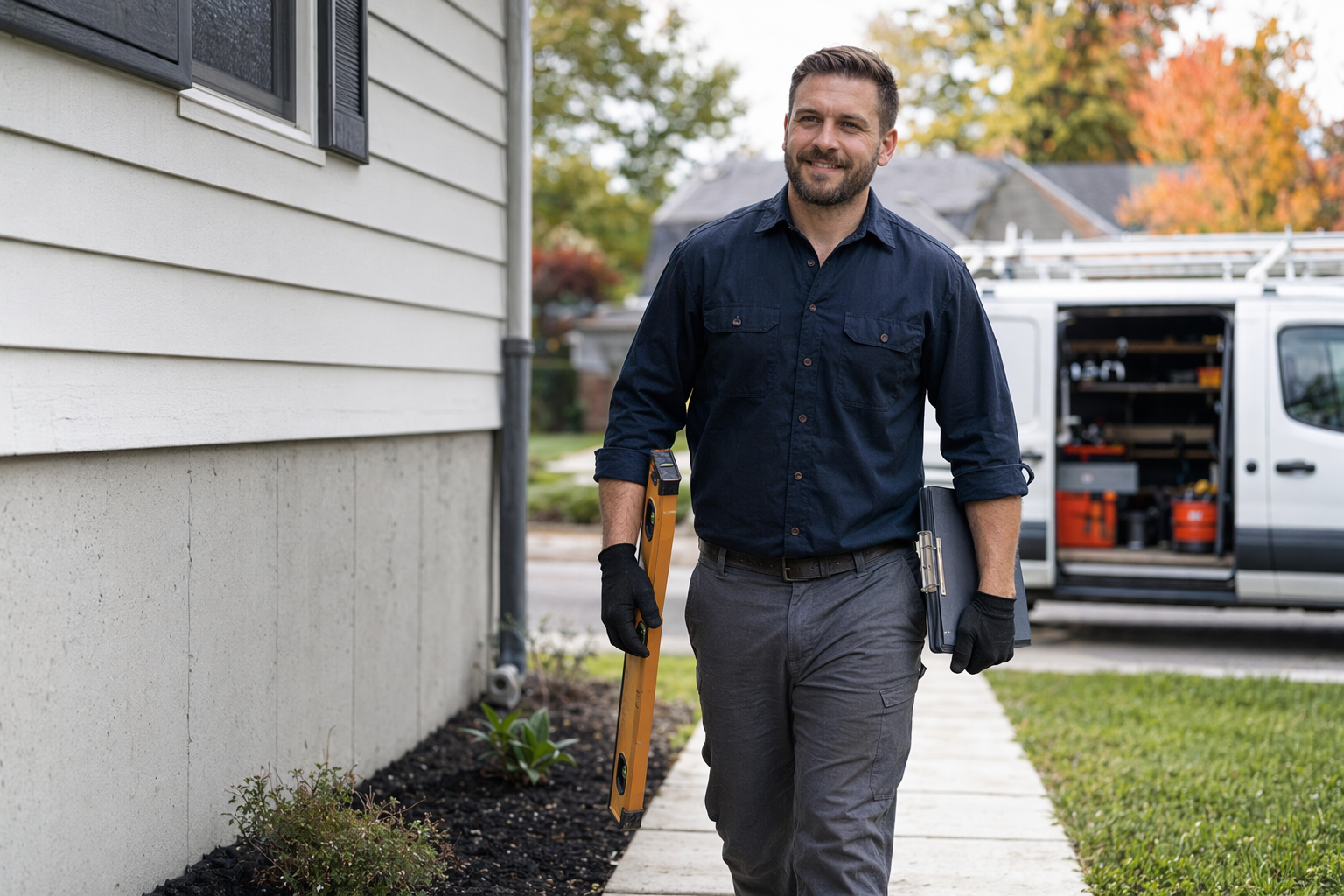
If you are selling the house, honesty usually works better than hiding it
Trying to cover up a foundation concern often makes the sale harder. Buyers get nervous when they see fresh paint over cracks, uneven floors with no explanation, or a basement wall problem with no paperwork.
A better approach is simple:
- Document what you know. Gather repair records, permits, engineer reports, drainage work receipts, and dates.
- Fix water management issues early. Cleaning gutters, extending downspouts, improving grading, and addressing obvious drainage can help reduce active moisture problems.
- Consider an independent engineer report before listing. This can clarify whether the issue is cosmetic, stable, or in need of repair.
- Share facts, not guesses. Tell buyers what was observed, what was evaluated, and what work was recommended or completed.
- If repairs are needed, use licensed and insured contractors. Verify the license and insurance yourself. Get the scope and price in writing before any deposit. Follow local permits and code.
Some sellers choose to repair before listing. Others choose to disclose the issue and price the home accordingly. Neither path is automatically right. The best option depends on how urgent the problem is, what the engineer says, local market conditions, and whether the repair can be completed correctly before closing.
If you want to compare repair paths, BedrockBearing can help you get matched with licensed, insured foundation repair pros at no cost to you. You compare estimates. You choose who to hire. You hold the final payment.
Typical costs buyers and sellers should plan around
These are typical ranges and estimates, not quotes or guarantees. Real price depends on the cause, the soil and site conditions, access, the method required, and your area.
- Independent structural engineer report: about $400-$1,200
- Crack injection: about $300-$2,500
- Slabjacking, mudjacking, or foam lifting for a typical area: about $600-$3,500
- Steel push piers or helical piers: about $1,200-$3,000 per pier, with many jobs needing 8-12 piers, so often $10,000-$30,000+
- Bowing-wall stabilization with carbon fiber or beams: about $4,000-$15,000+
- Basement waterproofing or drainage improvements: about $2,000-$12,000
A few honest points matter here:
- The cheapest fix is not always the right fix.
- The biggest repair is not always necessary.
- Water control and grading are often part of the answer, even when settlement is also present.
- A past repair is not automatically bad news if it was properly designed, permitted where required, and documented.
For more detail on common price ranges, see foundation repair costs.
How to move forward without getting burned
Whether you are buying or selling, use a process that protects you.
- Start with the facts. What are you actually seeing? Cracks, slope, water, sticking doors, wall movement?
- Get an independent engineer when there is real structural concern. Especially before agreeing to a major repair.
- Collect at least 2-3 written estimates from licensed, insured contractors if repair is recommended.
- Verify license and insurance yourself. Do not rely only on a business card or website.
- Check the scope line by line. What method is proposed? How many piers? What depth assumptions? What prep, cleanup, and warranty terms are included?
- Confirm permits and code requirements. Ask who pulls permits and what inspections are required locally.
- Do not pay in full up front. Get the scope and price in writing before any deposit, and keep final payment until the work is complete under the contract terms.
If the issue involves cracks, wall movement, waterproofing, or piering, these service guides may help you ask better questions: foundation crack repair, bowing wall stabilization, and piering and underpinning.
The next step
If you are worried about a house you want to buy, or nervous about listing a house with known movement, do not guess and do not let anyone rush you. Get the problem evaluated by an independent, licensed structural engineer first when the concern may be structural. Then compare written estimates from licensed, insured contractors if repair is actually needed.
BedrockBearing is a free multilingual matching service for US homeowners. We help you explain what you are seeing and connect with licensed, insured foundation repair pros. Participating pros pay a flat fee to be listed in our network. The matching is free to homeowners. You stay in control of the decision.
If you are buying or selling a house with foundation issues, do not guess. Take serious warning signs seriously, get an independent licensed structural engineer first for real structural concerns, then compare written estimates from licensed and insured contractors and verify everything yourself.