Foundation Repair and Your Home's Value
The short answer: yes, foundation problems can hurt a home's value. But the size of the hit depends on what is wrong, how well it is documented, and whether the fix is based on an independent engineer's evaluation instead of a sales pitch.
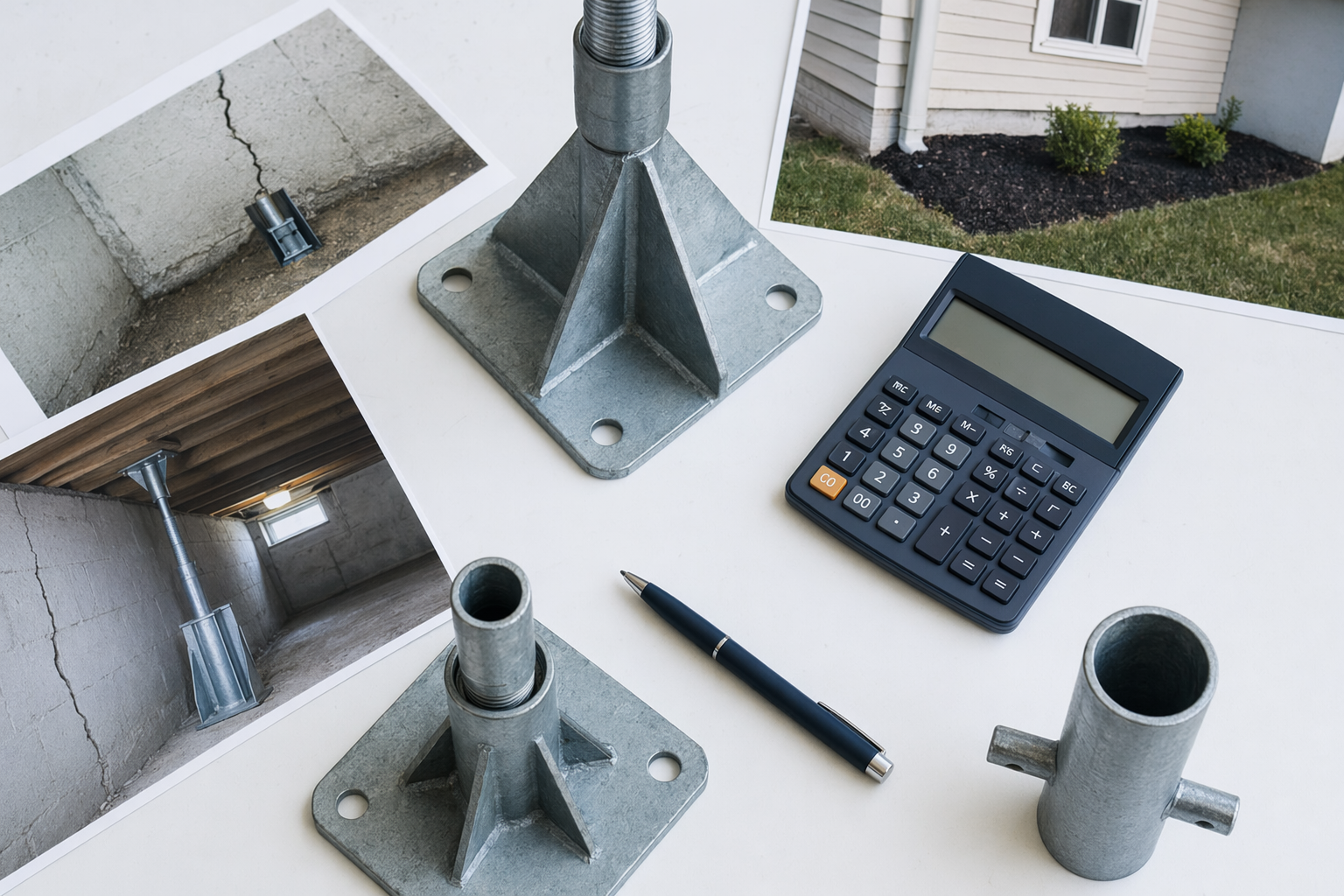
The short answer
A foundation problem can lower value because buyers, lenders, and insurers worry about risk, future cost, and uncertainty. In many cases, the biggest problem is not just the crack or settlement itself. It is the fear that no one really knows the cause or whether the repair is enough.
A properly documented repair can help protect value better than an undocumented one. Buyers usually feel more comfortable when there is:
- an independent, licensed structural engineer evaluation
- a clear written scope of work
- proof that permits were followed where required
- invoices and photos showing what was done
- any transferable warranty terms in writing
If you are seeing warning signs now, take them seriously. Small drywall cracks can be cosmetic. But widening foundation cracks, sticking doors that suddenly got worse, sloping floors, bowing basement walls, or water pressure against a wall may point to a larger issue. Read common warning signs and consider an independent structural engineer evaluation before you talk to repair salespeople.
BedrockBearing is a free matching service. We help you understand what you may be seeing and connect you with licensed, insured foundation repair pros. We do not inspect, engineer, or repair foundations.
How foundation problems affect value in the real world
Home value is not reduced by one fixed percentage. The real effect depends on the cause, severity, location, local market, and documentation.
Here is what usually matters most:
1. Is the problem active or old?
A hairline crack from past settlement may scare buyers less than a crack that is clearly growing.
2. Is the cause understood?
Settlement from poor bearing soil, drainage problems, expansive clay, tree roots, plumbing leaks, frost, and lateral soil pressure can all lead to different repairs and different long-term risks.
3. Was the repair designed around the problem?
A repair based on an engineer's evaluation usually gives buyers more confidence than a one-size-fits-all sales recommendation.
4. Are there records?
A buyer may accept a past issue if there is a paper trail. Without records, they may assume the worst.
5. Will a lender or insurer get nervous?
Some loans and policies become harder when there is unresolved structural movement or major water intrusion.
A home with a past foundation repair is not automatically a bad house. Many homes sell every year after competent repair. But buyers usually discount the price when there is uncertainty. Clear records reduce uncertainty.
That is why paying for an independent engineer report, often around $400-$1,200, can be money well spent. It can help you avoid unnecessary work and explain the real condition of the home to future buyers.
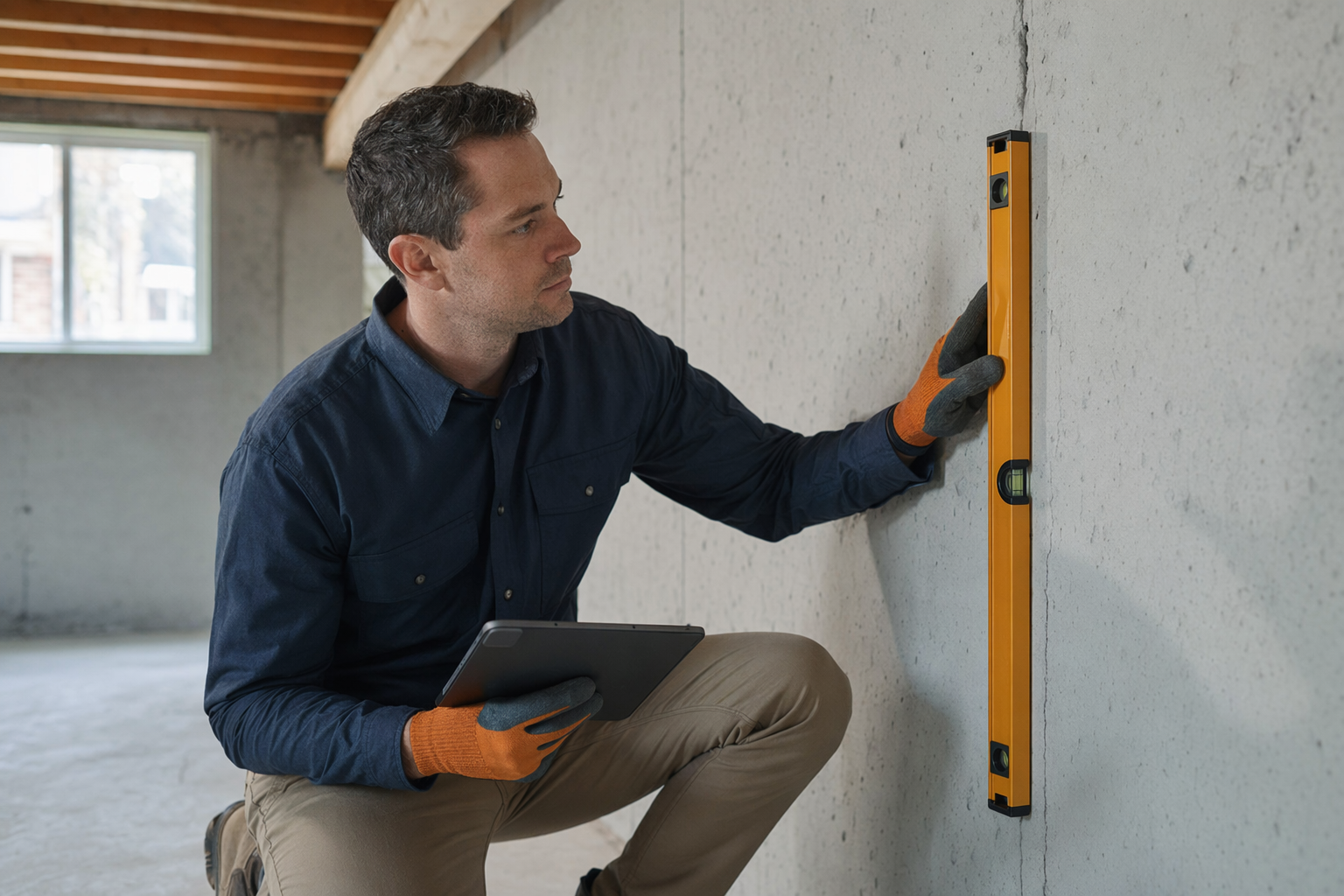
What helps protect value and what hurts it
Some actions make a foundation issue easier to live with and easier to explain at resale. Others can make the situation worse.
What helps:
- Start with an independent, licensed structural engineer who does not also sell the repair.
- Fix the cause, not just the symptom. For example, drainage and water control may matter as much as crack repair.
- Use licensed and insured contractors, and verify the license and insurance yourself.
- Get the full scope and price in writing before any deposit.
- Follow local permits and building code.
- Keep a file with photos, engineer notes, permits, invoices, and warranty language.
What hurts:
- Waiting while cracks widen or walls continue to move
- Hiring the first salesperson who says they can "fix everything today"
- Covering cracks before the cause is understood
- Paying a large deposit without a clear written scope
- Assuming a warranty means the right repair was done
Common repair methods have very different typical price ranges. These are estimates, not quotes. Real cost depends on the cause, the soil and site conditions, access, the method required, and your area.
- Crack injection: about $300-$2,500 for typical situations. Learn more about foundation crack repair.
- Slabjacking or foam lifting: about $600-$3,500 for a typical area.
- Steel push piers or helical piers: about $1,200-$3,000 per pier, with many jobs needing 8-12 piers, so total jobs often land around $10,000-$30,000+. More on piering and underpinning.
- Bowing-wall stabilization: about $4,000-$15,000+ depending on the wall length, severity, and method.
- Basement waterproofing or drainage: about $2,000-$12,000.
A lower-cost patch may look attractive if you plan to sell soon. But if it does not address the real cause, it can hurt value more later when a buyer's inspector or engineer sees movement continue.
If you plan to sell, refinance, or buy
Foundation issues often become a negotiation problem before they become a repair problem. Here is how to think about each situation.
If you plan to sell:
- Get an independent engineer's opinion first.
- Decide whether to repair now or price the home with full disclosure.
- If work is done, keep every record.
- Be honest about known defects. Disclosure rules vary by state, so follow your local requirements.
If you want to refinance:
- Unresolved movement or structural concerns can delay underwriting or trigger extra review.
- Clean documentation can help, but lender rules vary.
If you are buying a home with a foundation repair history:
- Do not assume "repaired" means "solved."
- Ask for the engineer report, permits, scope, invoice, and warranty in writing.
- Hire your own independent engineer if anything is unclear.
- Compare that information with what contractors recommend.
A good process protects both value and safety. If you need help finding licensed, insured contractors after you have an engineer's findings, you can get matched for free. You compare estimates. You choose who to hire. You hold the final payment until the agreed work is complete.
What to do next if you are worried now
Use this simple plan.
1. Look for pattern and change.
Note where you see cracks, sticking doors, sloping floors, water entry, or wall movement. Take dated photos.
2. Watch for urgent danger signs.
If a wall is actively moving, large new cracks are opening quickly, or there are signs of possible collapse, leave the area and contact a licensed structural engineer or your local building department right away.
3. Get an independent engineer evaluation.
This is the best way to avoid being sold work you may not need.
4. Then compare repair proposals.
Use only licensed and insured contractors. Verify both yourself. Ask what problem the repair addresses, what permits may be needed, and what is excluded.
5. Read the paperwork carefully.
Make sure the written scope matches the problem found. A low number is not a bargain if the scope is wrong.
6. Keep your records.
This can matter later for resale, refinancing, and peace of mind.
If you want help understanding typical pricing before you talk to contractors, see foundation repair costs. If you are ready to compare licensed, insured pros, BedrockBearing can match you at no cost to you.
Foundation problems can lower your home's value, but clear records and the right repair can reduce the damage. Start with an independent licensed structural engineer, then compare written estimates from licensed and insured contractors, verify their credentials yourself, and keep all paperwork.