Foundation Repair Financing — Questions to Ask
If you may need foundation work, financing can matter. The goal is not just a monthly payment. The goal is to understand the real problem first, then decide whether the proposed repair and financing both make sense.
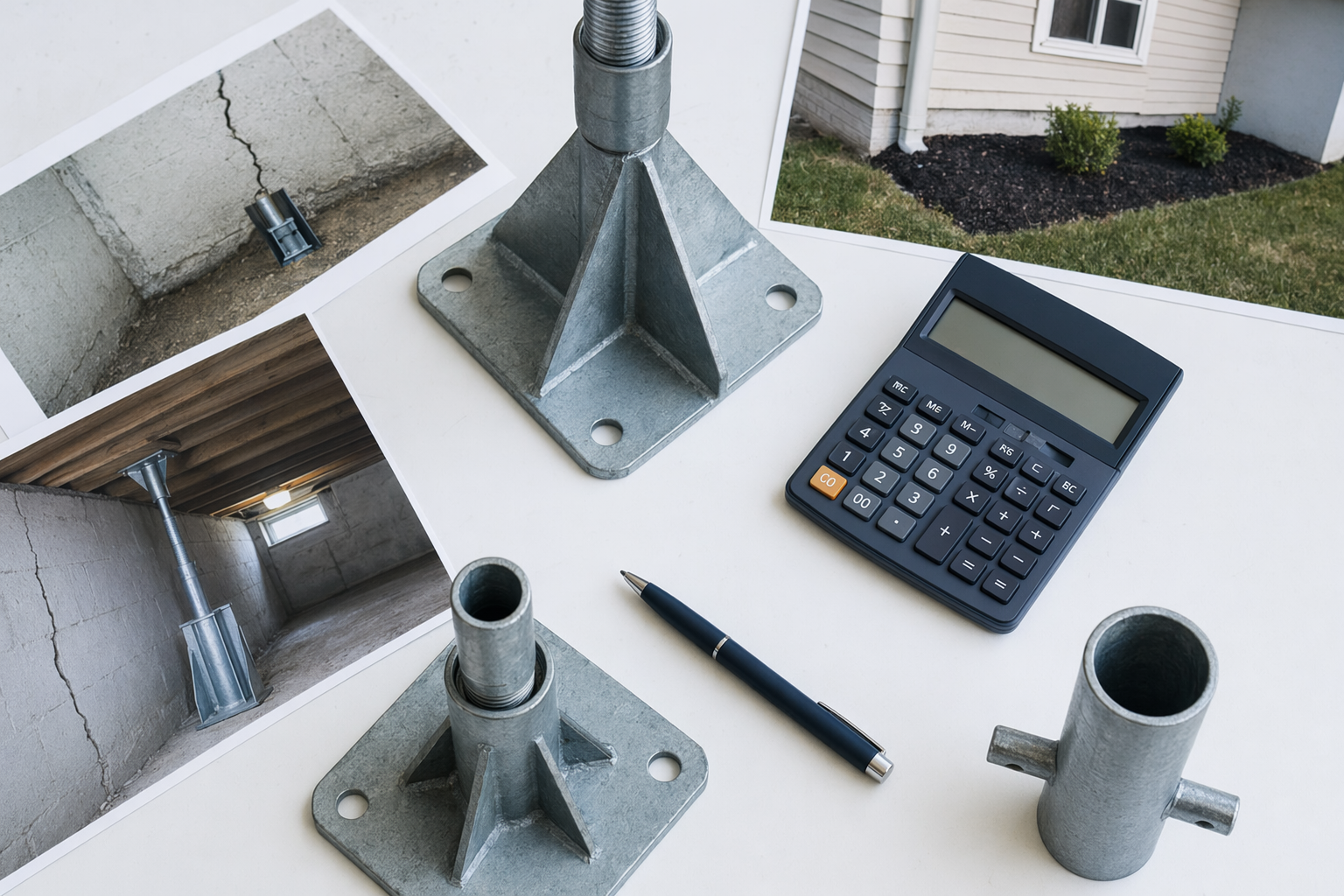
The short answer: do not finance a repair you do not fully understand
Foundation and structural problems can be serious, and sometimes a safety risk. If you see a wall actively moving, large new cracks opening quickly, doors suddenly jamming with visible wall movement, or any sign of possible collapse, leave the area and contact a licensed structural engineer or your local building department right away.
For non-urgent situations, slow down. The safest path is usually this:
- Get an independent, licensed structural engineer to evaluate the problem first. Ideally, this engineer does not also sell the repair.
- Use that evaluation to compare repair proposals from licensed and insured contractors.
- Only then compare financing options.
That engineer step matters. It can help you avoid paying for piers, wall systems, drainage work, or crack repairs you may not actually need. An independent structural engineer report often runs about $400-$1,200. That is an added cost, but it can protect you from a much bigger mistake. Read more about why an independent engineer matters.
Typical repair costs vary a lot. Real price depends on the cause, the soil and site conditions, access, the method required, and your area. Honest rough ranges are:
- crack injection: $300-$2,500
- slabjacking or foam lifting for a typical area: $600-$3,500
- steel push or helical piers: about $1,200-$3,000 per pier, with many jobs needing 8-12 piers for a total around $10,000-$30,000+
- bowing-wall stabilization: $4,000-$15,000+
- basement waterproofing or drainage: $2,000-$12,000
If you want help understanding your options and speaking with local pros, you can use our free matching service. BedrockBearing does not inspect, design, or repair foundations. We help homeowners understand the issue and get matched with licensed, insured contractors.
Questions to ask before you say yes to any financing
A low monthly payment can hide a very expensive decision. Ask these questions in plain language, and get the answers in writing.
- What exact problem am I financing? Ask whether the proposal addresses settlement, water, expansive soil, drainage, a bowing wall, or just cosmetic cracking.
- Do I have an independent engineer's evaluation? If not, why am I committing to a repair first?
- What is the full project price before financing? You need the cash price, not just the payment.
- What work is included, and what is excluded? For example, permits, excavation, clean-up, interior patching, regrading, and drainage extensions may or may not be included.
- What assumptions is the contractor making? Soil conditions, footing depth, hidden obstructions, and access can change the job.
- Will permits be required? Follow local permits and building code.
- Who is the lender? Is this contractor-arranged financing, or are you finding your own loan?
- What is the APR, not just the monthly payment? Also ask about total finance charge, late fees, deferred interest, and any prepayment penalty.
- Is there a promotional period? Some offers look cheap at first and become expensive later.
- When do payments start? Before work begins, at signing, after completion, or after permit approval?
- What deposit is required? Get the scope and price in writing before any deposit.
- What happens if the engineer's findings do not match the sales proposal? Make sure you can pause or cancel if new facts come up.
- What warranty is offered, and what does it really cover? A warranty does not make the diagnosis correct.
- Can I review the contract at home before signing? Never let anyone rush you.
If the contractor avoids clear answers, changes the scope verbally, or keeps steering you back to "just the payment," that is a warning sign. You are not buying a car. You are making a major property decision tied to safety, resale, and future repair costs.
Before choosing anyone, learn how to vet a foundation contractor.
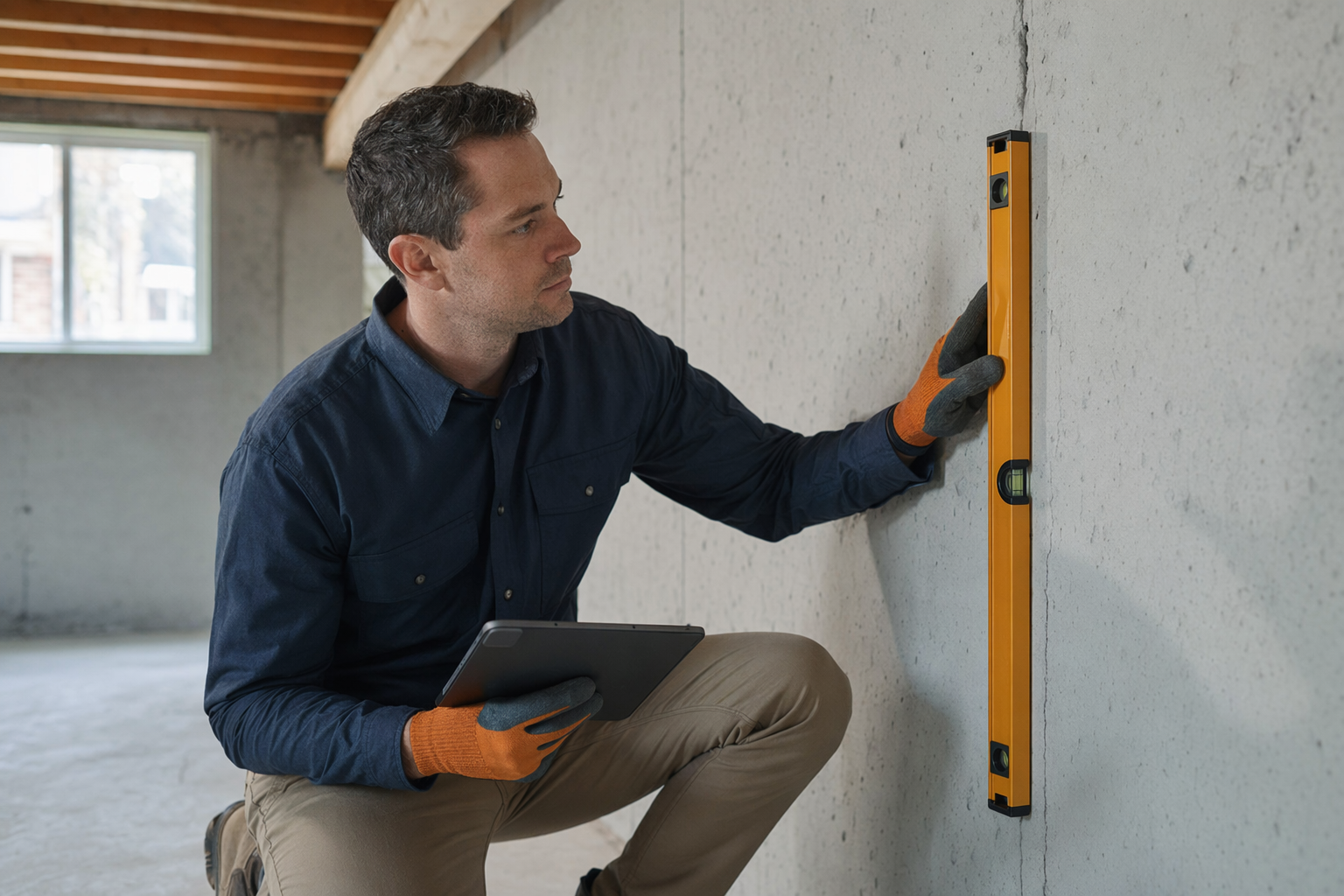
Common financing traps homeowners should watch for
Most homeowners are not used to comparing foundation proposals, and that is where people get burned. Here are common problems to watch for.
1. Financing the wrong repair
A crack does not always mean major settlement. Water problems do not always require piers. A sloping floor does not always mean the whole house is failing. Without an independent engineer, it can be hard to tell whether the proposed fix matches the real cause.
2. Confusing urgency with pressure
Some issues do need prompt attention. Others are important but not same-day emergencies. Honest contractors explain the risk level clearly. High-pressure sales language is not a substitute for a proper evaluation.
3. Focusing only on monthly payment
A smaller payment over a longer term can mean much more total cost. Ask for:
- total amount financed
- APR
- total of all payments
- fees
- term length in months
- prepayment rules
4. Financing bundled work you do not need
Sometimes a proposal includes structural work plus drainage, interior finish repairs, exterior grading, and optional add-ons. Some of that may be reasonable. Some may not. Separate line items help you compare.
5. Not verifying license and insurance
Always hire licensed and insured contractors where your state or locality requires it, and verify the license and insurance yourself. Do not rely only on a business card or a promise.
6. Paying too much too early
Be careful with large deposits. Make sure the contract states the scope, material, quantity, payment schedule, permit responsibility, and what must happen before final payment. You choose who to hire, and you should hold final payment until the agreed work is substantially complete.
If you are still trying to understand the repair types being suggested, these pages may help: piering and underpinning and foundation crack repair.
How to compare repair proposals and financing side by side
Use a simple comparison sheet. It does not need to be fancy. Put each bidder on one line and compare the same facts.
- Diagnosis: what they say is causing the problem
- Independent engineer involved: yes or no
- Repair method: crack injection, slabjacking, piers, wall stabilization, waterproofing, or a mix
- Quantity: number of piers, linear feet of wall support, drainage length, crack count, affected area
- Included items: permits, excavation, disposal, patching, clean-up
- Excluded items: landscaping, finish repairs, utility work, engineering, permit fees
- Cash price
- Financing terms: APR, monthly payment, total paid over time, term length, fees
- Warranty details
- Estimated timeline
This helps you spot when one bid is truly lower and when it is just structured differently.
Here is a practical example. A contractor proposes 10 push piers at $1,800 per pier. That is a base structural scope of about $18,000, before other work. Another contractor proposes drainage and crack injection for $5,000. Those are not directly comparable if they are solving different problems. That is exactly why the independent engineer matters.
You may also find that one part of the job is urgent and another can wait. For example, a bowing wall may need prompt stabilization, while some cosmetic patching can be done later. Or drainage improvements may reduce future risk even if they are separate from the structural repair. Learn more about warning signs to take seriously.
What to do next
If you are worried and trying to make a smart money decision, keep it simple:
- Document what you see. Take photos of cracks, sticking doors, sloping areas, water entry, or wall movement. Note dates.
- Get an independent structural engineer evaluation before hiring a repair contractor, especially for settlement, bowing walls, or major cracking.
- Compare at least two or three written proposals from licensed and insured contractors.
- Check license and insurance yourself. Ask who handles permits and confirm local code requirements.
- Review financing only after the scope makes sense. Compare cash price, APR, fees, term, and total paid.
- Do not sign under pressure. Read the contract at home if needed.
BedrockBearing is a free matching service for homeowners. Participating pros pay a flat fee to be included. We do not provide engineering opinions, inspections, or repair work. We help you understand the issue and connect with licensed, insured local pros so you can compare estimates and choose. If you are ready, start here: get matched or review broader foundation cost ranges.
Do not let financing decide the repair. First find out what the real problem is, ideally from an independent licensed structural engineer. Then compare written bids from licensed and insured contractors, verify the license and insurance yourself, and only after that compare the loan terms, total cost, and payment schedule.