Is a Foundation Crack an Emergency?
A crack in concrete does **not always** mean your house is in immediate danger. But some cracks can point to movement, water pressure, or structural trouble, so it is important to know which signs need fast action.
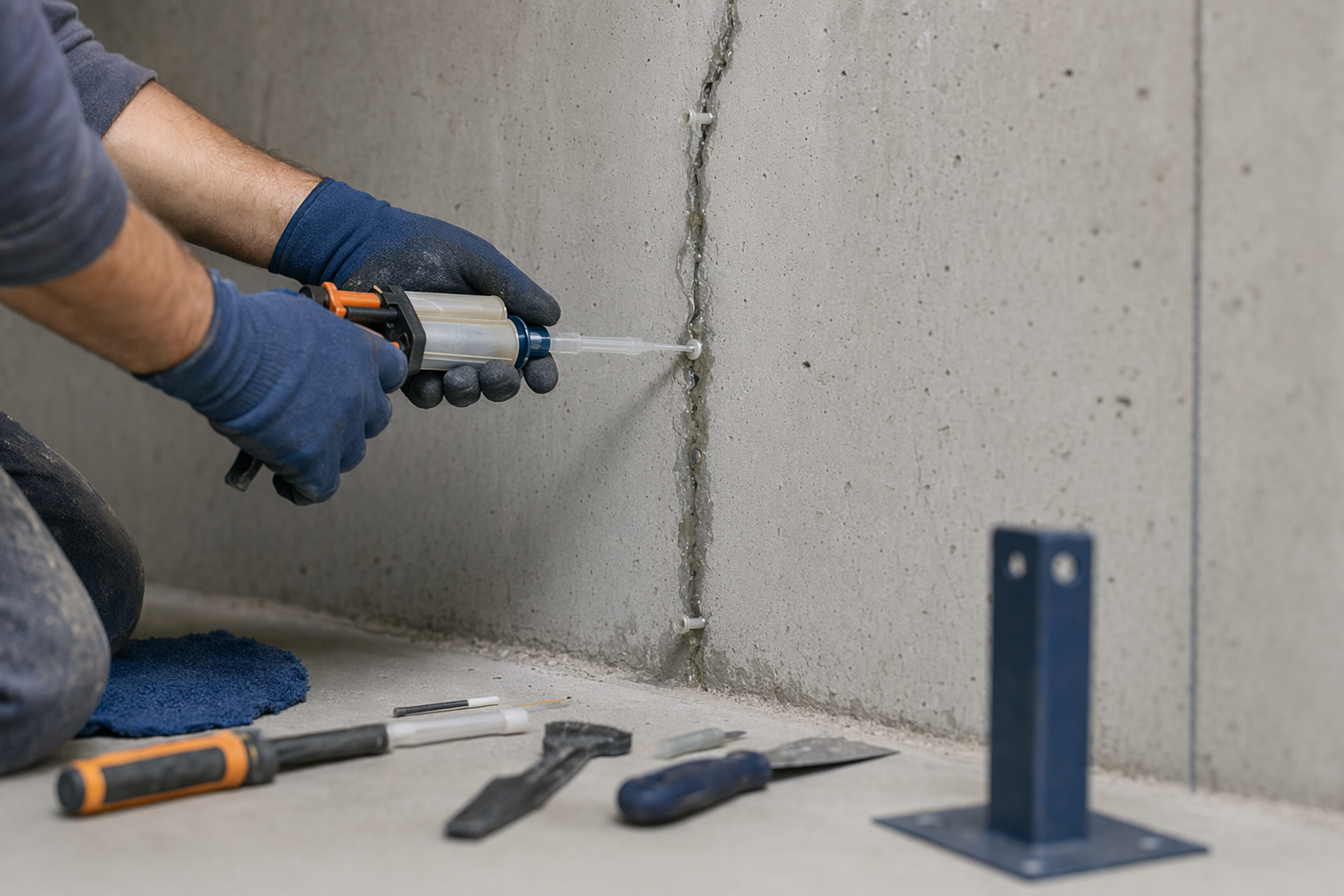
The short answer
Sometimes. Not always. A small, old hairline crack may be minor. A crack that is new, growing, wide, leaking, or tied to wall movement can be serious.
What matters most is context:
- Where the crack is: slab, basement wall, crawl space wall, brick, drywall, beam, or ceiling
- What it looks like: hairline, stair-step, horizontal, diagonal, vertical, or wider at one end
- Whether it is changing: getting longer, wider, or showing up with other symptoms
- What else you see: sticking doors, sloping floors, bulging walls, water intrusion, or gaps around windows
A foundation crack becomes more urgent when it suggests active movement or pressure. Horizontal cracks in a basement wall, a wall that bows inward, a crack that opens quickly, or cracking with major settlement signs deserve prompt attention.
If a wall is actively moving, a large new crack is opening fast, or you see signs that part of the structure could fail, leave the area and contact a licensed structural engineer or your local building department right away. BedrockBearing is a free matching service. We do not inspect, diagnose, design repairs, or perform work.
For non-urgent situations, the safest next step is usually an evaluation by an independent, licensed structural engineer who does not also sell the repair. That helps you find out whether the crack is cosmetic, moisture-related, or a sign of a larger structural problem. You can learn more here: independent structural engineer evaluation.
Cracks that are often less urgent vs. cracks that need faster attention
Some cracks are common in concrete. Concrete shrinks as it cures. Homes also expand and contract with seasons. That is why not every crack means foundation failure.
Often less urgent:
- Thin hairline cracks in a slab or basement floor
- Small vertical cracks in poured concrete that appear old and stable
- Dry cracks with no offset, no bulging, and no sign they are growing
- Minor shrinkage cracks in newer concrete
These still deserve watching. Take clear photos. Write down the date. Check whether they change over a few weeks or months.
Needs faster attention:
- Horizontal cracks in basement or retaining-type foundation walls
- Bowing or bulging walls
- Stair-step cracks in block or brick that keep growing
- Cracks wider than about 1/4 inch, especially if new or increasing
- One side of a crack sitting higher or farther out than the other
- Cracks with water seepage, dampness, or soil pressure signs
- Cracks plus doors and windows that suddenly stick or will not latch
- Cracks plus sloping floors, chimney separation, or gaps at trim
Horizontal cracking and bowing often point to lateral soil pressure or water pressure pushing on the wall. That can become a real safety issue. If you are seeing that pattern, do not wait months hoping it stops. Read more about serious signs here: foundation warning signs.
If the concern is mainly a crack with moisture, the eventual fix might range from simple crack treatment to drainage or waterproofing. If the concern is settlement, the fix could involve piers or underpinning. The right method depends on the cause, not just the crack itself.
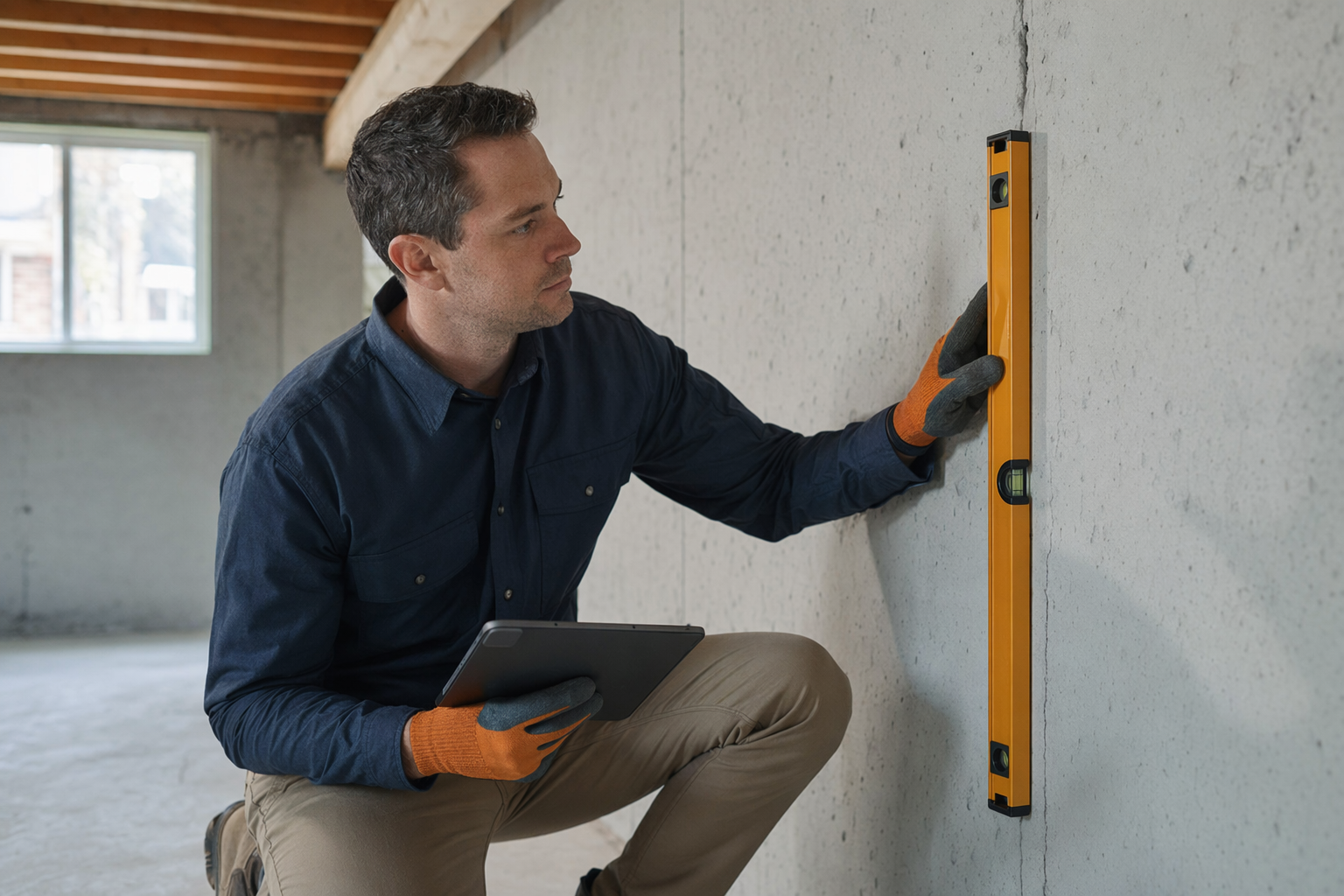
What can cause a foundation crack?
A crack is a symptom, not the full story. The real question is why it happened.
Common causes include:
1. Normal shrinkage in concrete as it cures
2. Soil movement from wet-dry cycles, poor compaction, erosion, or expansive clay
3. Settlement when part of the home sinks more than another part
4. Hydrostatic pressure from water in the soil pushing against basement walls
5. Freeze-thaw cycles in cold climates
6. Poor drainage from gutters, grading, or downspouts dumping water near the home
7. Tree roots or nearby excavation changing moisture or support conditions
This is why homeowners get burned when someone jumps straight to selling a repair. A crack from simple shrinkage is different from a crack caused by settlement. Water pressure behind a basement wall is different from a slab crack in a garage.
An independent, licensed structural engineer can help determine whether the crack is cosmetic, serviceability-related, or structurally important. That matters because repair prices can vary a lot:
- Basic crack injection often runs about $300-$2,500 as a typical range
- Slabjacking or foam lifting for a typical area may run about $600-$3,500
- Steel push piers or helical piers often run about $1,200-$3,000 per pier, and many jobs need 8-12 piers or more, so totals can reach $10,000-$30,000+
- Bowing-wall stabilization with carbon fiber or beams often runs about $4,000-$15,000+
- Basement waterproofing or drainage often runs about $2,000-$12,000
- An independent structural engineer report often costs about $400-$1,200
These are typical estimates, not quotes. Real price depends on the cause, the soil and site conditions, access, the method required, and your area.
If you want to understand common repair categories before talking to anyone, see foundation crack repair and piering and underpinning.
What to do next if you found a crack
Try to stay calm and be methodical.
- Check for urgent danger. If a wall is moving, bowing badly, shedding material, or a large new crack is opening quickly, leave the area and contact a licensed structural engineer or your local building department right away.
- Document what you see. Take wide and close-up photos. Note location, length, shape, and whether there is moisture. Put the date in your phone notes.
- Look for related symptoms. Check doors, windows, floors, baseboards, exterior brick, and basement walls.
- Manage water. If safe to do so, make sure downspouts discharge away from the home and the ground slopes away. Water is often part of the problem.
- Get an independent structural engineer evaluation first. This is one of the best ways to avoid being sold work you do not need.
- Then compare licensed, insured contractors for the repair the engineer recommends, if any.
When you hire, protect yourself:
- Hire licensed and insured contractors where required
- Verify the license and insurance yourself
- Get the scope of work and total price in writing before any deposit
- Make sure local permits and code requirements are followed
- Do not feel rushed into same-day signing
- Hold final payment until the work is completed as agreed
BedrockBearing is free for homeowners. We help you understand the issue and get matched with licensed, insured foundation repair pros so you can compare options. You choose who to talk to and who to hire. If you want help starting that process, go here: get matched.
How worried should you be?
Be honest with yourself, but do not jump to the worst-case story.
A single small crack that has looked the same for years may not be an emergency. A pattern of cracking with movement, water, and wall pressure is more concerning. In many homes, the real risk comes from waiting too long on a problem that was giving clear signs.
A good rule of thumb:
- Monitor small, stable-looking cracks
- Schedule an engineer soon for cracks that are new, growing, leaking, wider, or paired with settlement symptoms
- Treat it as urgent if there is active wall movement or possible collapse risk
The smartest move is usually not to guess. It is to get the right person to evaluate it first, then compare repair bids carefully. If a contractor recommends a major repair, ask how they know that method is necessary and whether an independent engineer agrees.
If the issue turns out to involve wall pressure or bowing, methods might include carbon fiber, wall anchors, or steel beams depending on the wall type and severity. If water is driving the problem, drainage improvements may matter as much as the crack repair itself. If settlement is the driver, piers may be considered. The crack alone does not tell the whole story.
That is why homeowners should stay in control: the engineer evaluates, you compare estimates, you choose who to hire, and you hold the final payment.
A foundation crack is not always an emergency, but some are serious. If the crack is new, growing, horizontal, leaking, or comes with a bowing wall or sloping floors, get an independent licensed structural engineer to evaluate it, and if a wall is actively moving or may fail, leave the area and call for help right away.