How water and soil move a foundation
Most foundation movement is really a soil and water problem. The house sits on soil, and when that soil gets too wet, too dry, weak, or uneven, parts of the foundation can move.
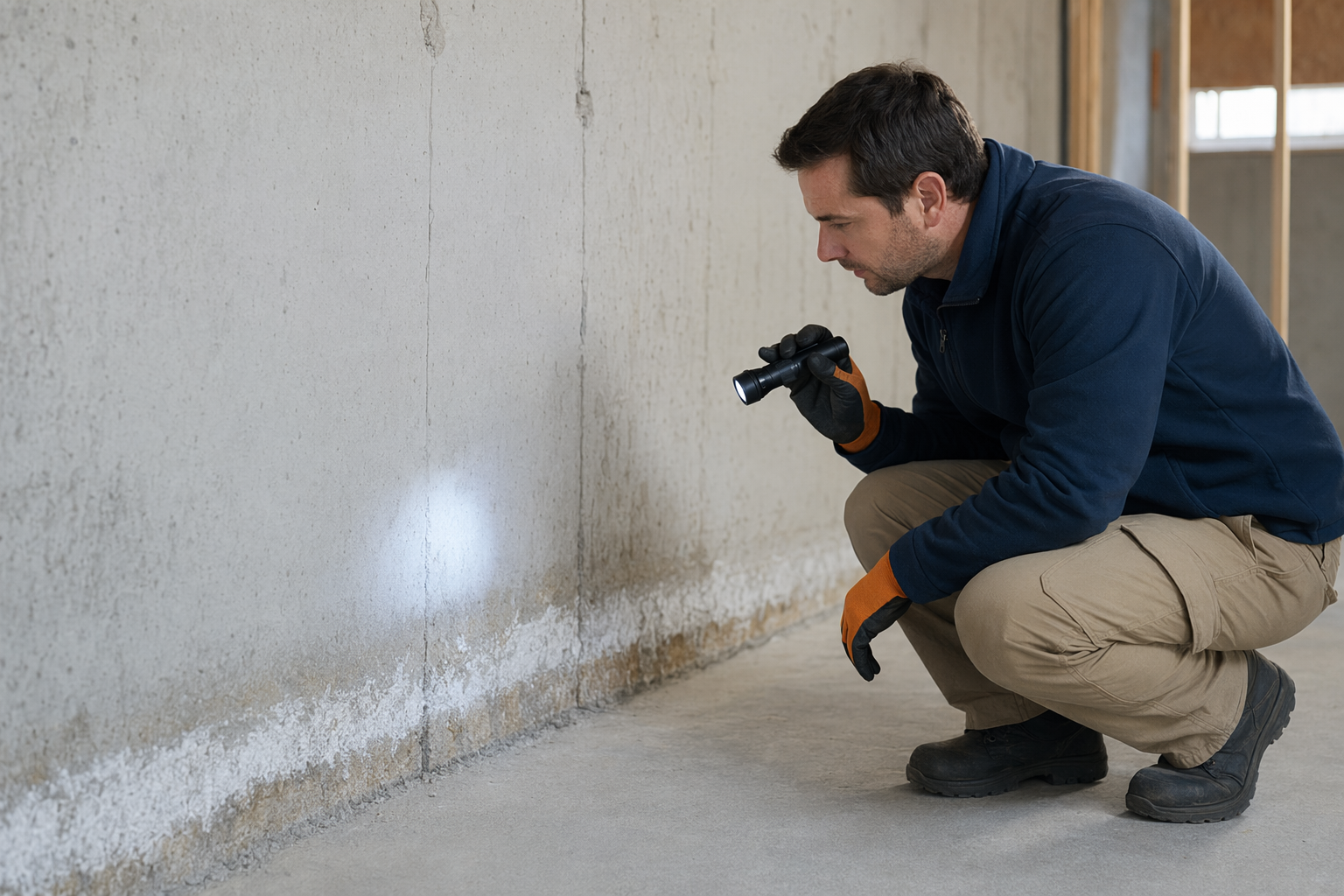
Why water and soil matter so much
A foundation is only as stable as the ground under and around it. Concrete and masonry are strong in some ways, but they still react when the soil below shifts, swells, softens, erodes, or settles.
In plain terms, water changes the soil, and changed soil can move the foundation.
Common ways this happens:
- Too much water can soften some soils, wash out support, or increase pressure against basement walls.
- Too little water can make clay soils shrink, which leaves gaps under parts of a footing or slab.
- Water that comes and goes unevenly can make one part of the home move more than another part.
- Poor drainage can keep soil wet for long periods near one wall or corner.
- Freeze-thaw cycles in colder areas can lift and shift soil near the surface.
This is why two homes on the same street can have different problems. The real cause depends on soil type, grading, drainage, plumbing leaks, tree roots, weather, and how the house was built.
If you are seeing cracks, sloping floors, sticking doors, or basement wall movement, take it seriously. Some movement is slow. Some is active. If a wall is actively moving, large new cracks are opening fast, or you see signs of possible collapse, leave the area and contact a licensed structural engineer or your local building department right away.
If you want help understanding the warning signs before you talk to contractors, start with foundation warning signs.
The main ways moisture moves a foundation
Not all foundation movement comes from one big event. Often it is a pattern that builds over time.
1. Expansive clay swelling and shrinking
Some soils, especially clay-heavy soils, expand when wet and shrink when dry. That repeated cycle can lift one area and drop another. Slabs are often affected by this because they sit close to the soil.
2. Settlement from weak or loosened soil
If soil under a footing or slab was not well compacted, or if water weakens it, that area may settle. This can lead to stair-step cracks in brick, drywall cracks, uneven floors, and gaps at trim.
3. Hydrostatic pressure on basement walls
When soil outside a basement wall becomes saturated, water pressure builds. That pressure can push inward on the wall. Over time, the wall may bow, crack, or shift.
4. Erosion and washout
Roof runoff, downspouts dumping near the house, poor grading, and some plumbing leaks can carry soil away or create voids. Even a small washout can matter if it affects a key support area.
5. Leaks under or near the house
A broken drain line, supply line leak, or irrigation problem can keep one area wet for months. That can soften soil and create very uneven movement.
6. Seasonal drying from trees and roots
Large trees can pull a lot of moisture from soil. In some soils, that drying can contribute to shrinkage and settlement near parts of the home.
The visible problem is not always the real problem. A crack might be the result of movement, not the cause. That is one reason we strongly recommend an independent, licensed structural engineer before you hire a repair contractor. An engineer who does not also sell the repair can help you understand what is actually happening and whether repair is needed at all. Learn more about a structural engineer evaluation.
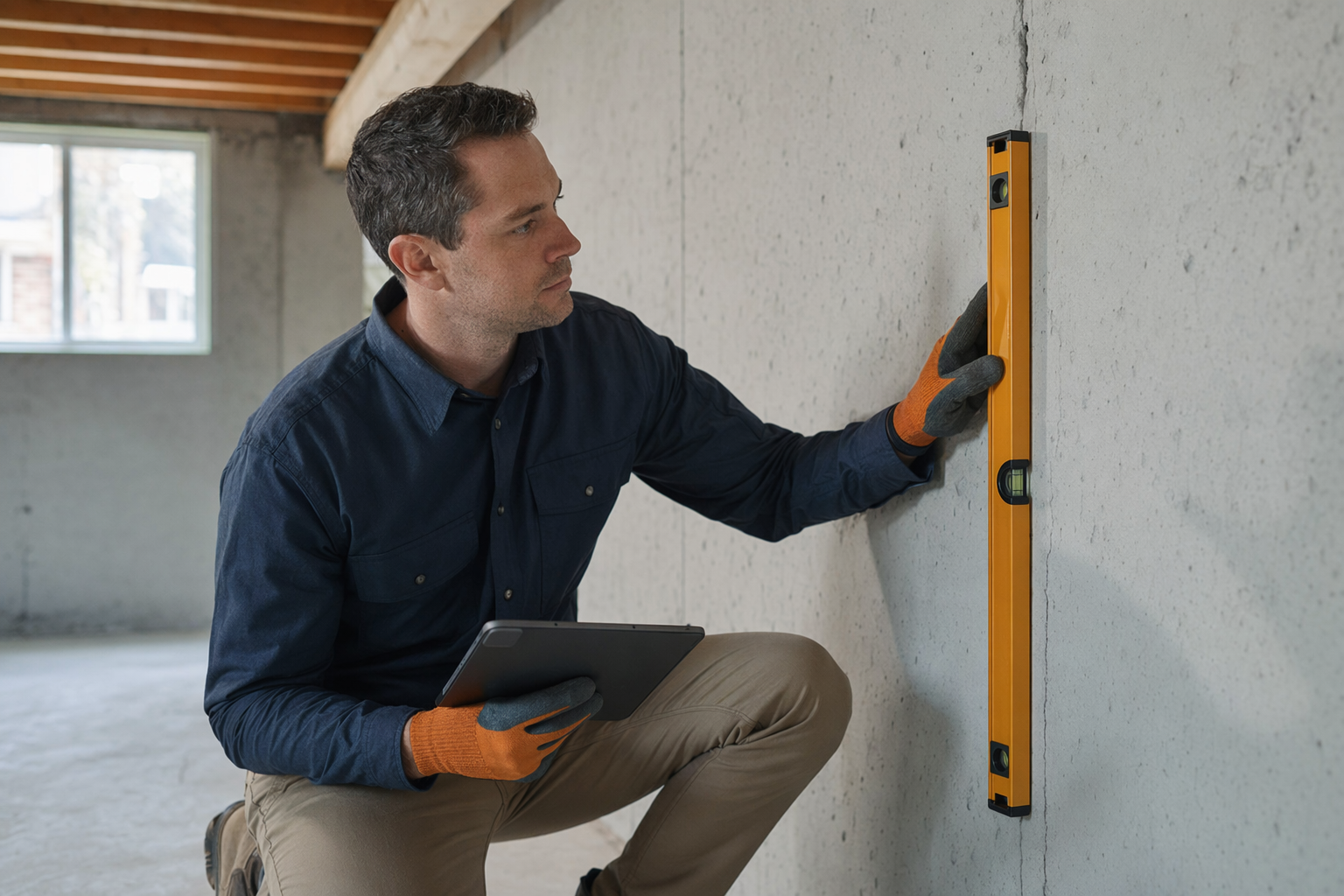
What homeowners usually notice first
You do not need to diagnose the house yourself. But it helps to pay attention to patterns.
Common signs include:
- Cracks in drywall, especially over doors and windows
- Stair-step cracks in brick or block
- Cracks in a slab floor or garage floor
- Doors or windows that suddenly stick or will not latch
- Floors that feel uneven or sloped
- Gaps between walls, ceilings, trim, or cabinets
- Basement walls that look bowed, tilted, or cracked horizontally
- Water intrusion, damp basement walls, or musty smells
A few honest points:
- Not every crack means major structural failure. Small cosmetic cracks can happen.
- But pattern and change matter. New cracks, widening cracks, repeated sticking doors, and wall movement deserve attention.
- Water signs and movement signs together are more concerning than either one alone.
For example, a hairline crack that has not changed in years is different from a horizontal basement crack with damp soil outside and a wall that looks like it is pushing in.
If the issue turns out to involve cracks, waterproofing, wall stabilization, or piers, the typical methods and costs vary a lot. Crack injection may run about $300-$2,500. Basement waterproofing or drainage might be $2,000-$12,000. Bowing-wall stabilization can be $4,000-$15,000+. Pier systems are often $1,200-$3,000 per pier, and many jobs need 8-12 piers, so totals can be $10,000-$30,000+. These are typical ranges only, not quotes. Real price depends on the cause, the soil and site conditions, access, the method required, and your area.
You can review common repair categories here: piering and underpinning and foundation waterproofing.
What to do next, step by step
If you think water and soil may be moving your foundation, keep it simple.
1. Document what you see
Take clear photos of cracks, wall movement, wet areas, and doors or windows that stick. Write down when you first noticed the issue and whether it seems to be changing.
2. Look for obvious water patterns
Check gutters, downspouts, splash blocks, grading, standing water, sprinkler spray near the house, and any plumbing leak signs. You are not diagnosing. You are noting conditions.
3. Take urgent signs seriously
If a wall is actively shifting, a crack is opening fast, a beam or column looks unstable, or part of the structure seems unsafe, leave the area and contact a licensed structural engineer or your local building department right away.
4. Get an independent engineer evaluation before hiring a repair company
This is one of the best ways to protect yourself. A licensed structural engineer who does not sell the repair can tell you whether the issue is cosmetic, moisture-related, structural, or still unclear. A written engineer report often costs about $400-$1,200.
5. Compare written estimates from licensed, insured contractors
If repair is needed, get the scope and price in writing before any deposit. Verify the contractor's license and insurance yourself. Make sure the plan matches the engineer's findings, not just a sales pitch.
6. Follow permits and local code
Some repairs need permits or inspections. Ask what is required in your area and do not skip this step.
BedrockBearing is a free matching service. We can help you describe what you are seeing and get connected with licensed, insured foundation repair pros so you can compare options. You stay in control. Get matched.
Common mistakes that cost people money
Homeowners usually get burned in a few predictable ways.
- Hiring the first company that says you need piers everywhere without an independent engineer review
- Treating water as separate from structure when drainage may be the main reason movement started
- Ignoring a plumbing leak or gutter problem while pricing big structural work
- Paying a deposit without a clear written scope
- Not verifying license and insurance themselves
- Waiting too long on a bowing basement wall because they hoped it would stop on its own
A few straight answers:
- More expensive does not always mean more correct.
- A crack being filled does not mean the cause was fixed.
- A waterproofing system may help moisture, but it may not solve settlement.
- Piers can be the right tool, but not every crack means a pier job.
This is why the order matters: first understand the cause, then compare repair options.
If you do end up talking with contractors, ask hard, simple questions:
- What problem are you solving: settlement, wall movement, water entry, or all three?
- What evidence supports that?
- Does your proposed repair match an independent engineer's recommendation?
- What permits are needed?
- What exactly is included in writing?
For more on comparing companies and protecting yourself, see how to vet a foundation contractor.
Water changes soil, and changed soil can move a foundation. If you see new cracks, sticking doors, basement wall movement, or water problems, document what you see, deal with urgent safety signs right away, and get an independent licensed structural engineer before hiring any repair contractor.