When a Hairline Crack Turned Out to Be Cosmetic
This is an **anonymized, illustrative** story based on a common situation. A small crack looked scary at first, but the right next step was not a repair sale. It was an independent evaluation.
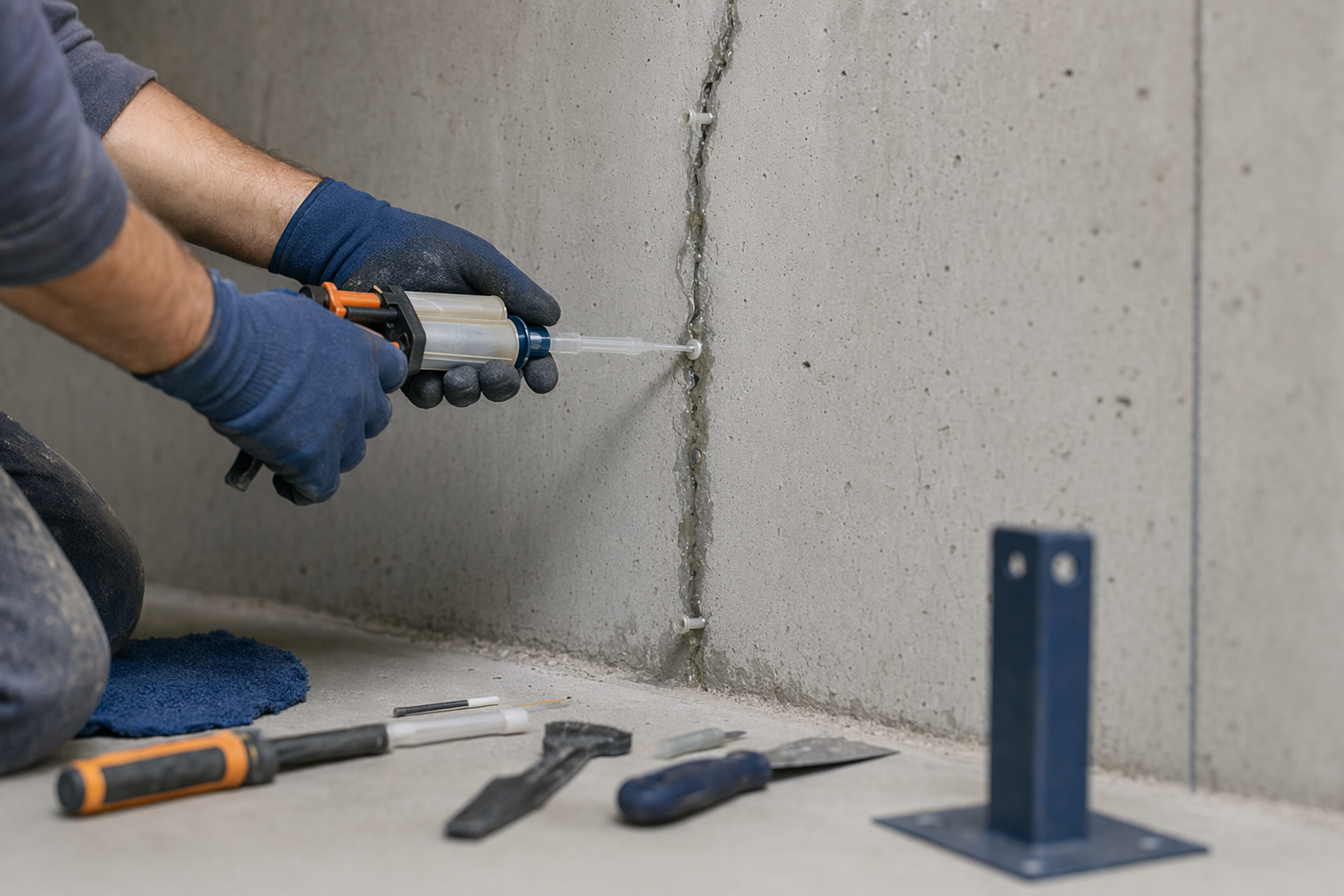
The situation: a small crack, a lot of worry
A homeowner noticed a thin vertical crack in a poured concrete basement wall near a window. It was narrow enough that a fingernail barely caught on it. There was no bulging wall, no sticking doors, no sloping floor, and no obvious water coming through.
Still, they were worried. That is normal. Foundation and structural problems can be serious, and some warning signs should never be ignored. But not every crack means the house is failing.
What made this case confusing was how easy it would have been to jump to the wrong conclusion. Online photos made everything look urgent. One contractor wanted to talk about reinforcement right away. Another mentioned piers before even explaining why.
This is where homeowners often get burned. A visible crack can be:
- simple shrinkage from curing concrete
- minor surface movement that is not structural
- a moisture entry point that needs sealing
- or a sign of a larger settlement or lateral-pressure problem
Those are very different problems with very different price ranges. Before hiring anyone to fix anything, the homeowner was urged to read about foundation warning signs and get an independent, licensed structural engineer to evaluate the situation first.
What they did instead of buying the first repair pitch
The homeowner did three smart things.
- They documented the crack. They took clear photos, measured the width, and marked the date.
- They watched for change. Over several weeks, they checked whether it got wider, longer, or started leaking.
- They hired an independent structural engineer. Not a contractor who also sells the repair. An engineer who could evaluate the crack without trying to sell a product.
That engineer visit is often money well spent. A typical independent structural engineer report may cost about $400-$1,200, depending on the home, the area, and how detailed the report is. It is not free, but it can protect you from paying $10,000-$30,000+ for work you may not need.
In this example, the engineer looked at the crack pattern, wall alignment, floor level, nearby drainage, and whether there were matching signs elsewhere in the house. The conclusion was calm and specific: the crack appeared non-structural and cosmetic, likely related to normal curing or minor shrinkage, not active settlement.
That did not mean the homeowner should ignore it forever. It meant the next step was limited and reasonable: monitor for movement, improve exterior water control, and seal the crack if moisture became an issue. For readers dealing with a similar question, our guide to structural engineer evaluation explains why this step matters so much.

The outcome: a smaller fix, not a major project
Because the crack was judged cosmetic, the homeowner did not move forward with piers, wall anchors, or a major structural package.
Instead, they focused on low-risk, practical steps:
- extending a downspout that discharged too close to the foundation
- making sure soil near the wall sloped away from the house
- sealing the crack to limit moisture entry if needed
- keeping a simple record of width and appearance over time
If a small crack like this needs sealing, a typical crack injection may cost roughly $300-$2,500. That is a wide estimate, not a quote. Real cost depends on the cause, crack access, wall type, whether water is involved, and local pricing. You can learn more about typical foundation crack repair costs and methods, but the big lesson here is that a crack repair and a structural stabilization are not the same thing.
Over the following months in this example, the homeowner did not see meaningful change. No new wide cracks. No bowing. No water intrusion. No signs of active movement.
That is a good result, but it is not a promise for every home. If a crack starts widening, if doors suddenly bind, if floors slope more, or if a wall appears to be actively moving, that changes the situation. In urgent cases, especially signs of possible collapse or rapid movement, leave the area and contact a licensed structural engineer or your local building department right away.
What homeowners should take from this story
This case is useful because it shows what not to do: do not assume every crack is cosmetic, and do not assume every crack needs a major repair.
A better process is:
- Take warning signs seriously, but stay calm.
- Get an independent engineer first when there is any question about structure.
- Compare written estimates only after you know the likely problem.
- Hire licensed and insured contractors, and verify the license and insurance yourself.
- Get scope, materials, permits, and price in writing before any deposit.
- Follow local code and permit rules.
BedrockBearing does not inspect homes, design repairs, or perform foundation work. We are a free matching service that helps homeowners explain what they are seeing and connect with licensed, insured foundation repair pros. You compare estimates. You choose who to hire. You control final payment.
If you want help finding companies to price a recommended repair, you can get matched at no cost. If you have not yet talked to an engineer, do that first when the cause is not clear. That one habit can save money and reduce the chance of being sold work you do not need.
A small crack can look scary, but it does not always mean major foundation failure. Take it seriously, document it, and if the cause is not clear, pay for an independent licensed structural engineer before you hire any contractor. Then compare written estimates and choose the repair, if any, based on the real problem.