How Long Does Foundation Repair Take?
The honest answer is: **it depends on the cause and the repair method**. Some small repairs take part of a day. Bigger jobs can take several days or more, especially when permits, engineering, weather, or difficult soil conditions are involved.
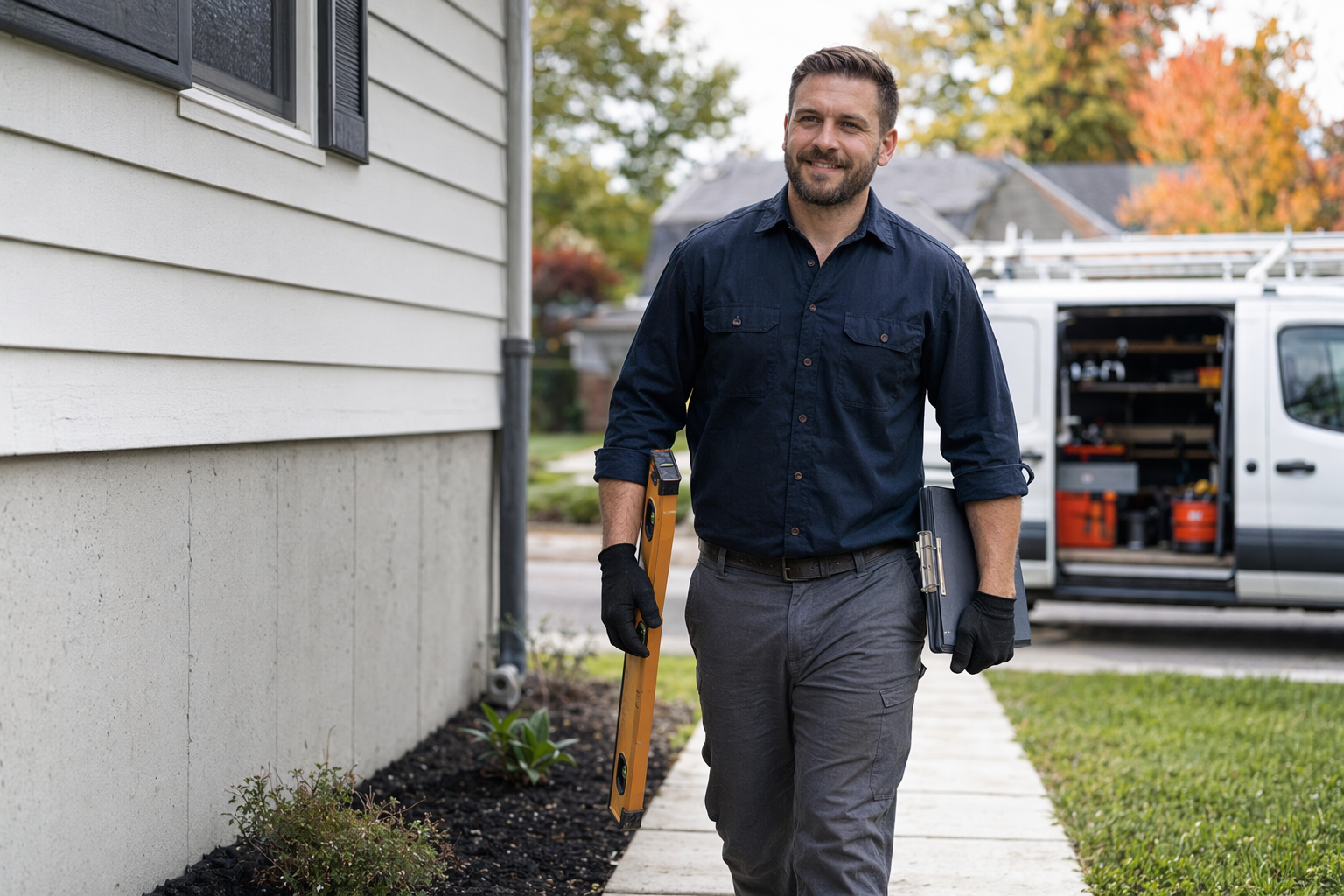
The short answer: many jobs take 1 to 5 days, but the full process is often longer
Homeowners usually ask one question when cracks or settlement show up: How long will this take? The repair work itself is often faster than people think. The planning and decision part can take longer.
A very rough timeline looks like this:
- Small crack repair may take a few hours to 1 day.
- Slabjacking or polyurethane foam lifting for a typical area may take a few hours to 1 day.
- Bowing-wall stabilization may take 1 to 3 days for many homes.
- Piering or underpinning often takes 2 to 5 days, sometimes longer for larger or more difficult jobs.
- Waterproofing or drainage work can take 1 to several days depending on interior vs. exterior access.
But the total calendar time can be longer because of:
- getting an independent, licensed structural engineer to evaluate the problem first
- comparing written estimates
- permit scheduling if required by your area
- weather delays
- hard access, deep excavation, bad soil, or hidden damage found during the work
That is why we tell homeowners to slow down and do it in the right order. First get an independent engineer evaluation, especially if the problem looks structural. An engineer who does not also sell the repair can tell you what is actually needed. That helps protect you from paying for work you may not need. See how a structural engineer evaluation works.
If you are still at the stage of figuring out what the problem might be, review common foundation warning signs.
What changes the timeline
Two homes with similar cracks can have very different repair times. The real schedule depends on the cause, the soil and site conditions, access, the method required, and the area.
Here are the biggest factors:
1. The actual problem
Cosmetic shrinkage cracks are different from active settlement, lateral soil pressure, water intrusion, or frost-related movement. The more serious and complex the cause, the more planning and labor are usually needed.
2. The repair method
A simple epoxy or polyurethane crack injection is not the same as installing steel push piers or helical piers. Pier jobs usually involve layout, excavation, bracket installation, driving or screwing piers to suitable bearing, lifting or stabilization, and cleanup. That takes time.
3. How easy it is to access the work area
Tight crawlspaces, finished basements, attached patios, porches, decks, landscaping, fences, and narrow side yards can all slow a crew down.
4. Permits and inspections
Some jobs move quickly. Others must wait for permit approval or inspection scheduling. Local rules matter. Always follow local permits and building code.
5. Weather and moisture conditions
Rain, frozen ground, muddy excavation areas, and high groundwater can delay exterior work.
6. What is found after work starts
Sometimes a contractor opens an area and finds more damage, voids, drainage problems, or deteriorated materials. That can extend the job.
A few timing examples:
- A homeowner with one basement wall crack may be done the same day with foundation crack repair.
- A homeowner with settlement around one corner of the house may need several days of piering and underpinning.
- A homeowner with a wall leaning inward may need stabilization work that takes more than one day, and urgent movement should be taken seriously.
Important: if you see a wall actively moving, large new cracks opening quickly, or any signs of possible collapse, leave the area and contact a licensed structural engineer or your local building department right away. BedrockBearing is a free matching service. We do not inspect, design repairs, or tell you a structure is safe.
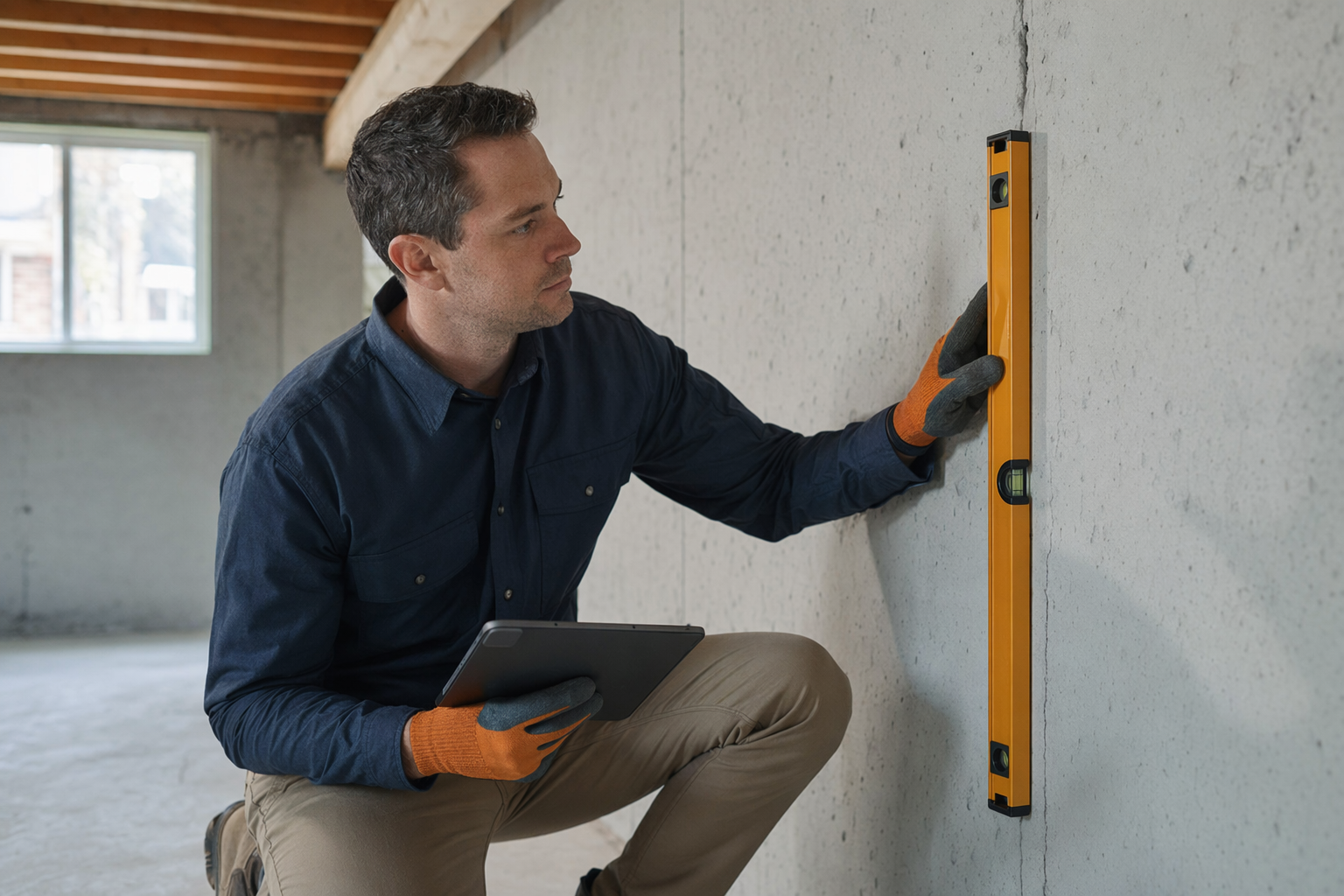
Typical repair timelines and cost ranges
Time and cost usually move together, but not perfectly. A short job can still be expensive if it needs specialized equipment or deep support. A longer job may involve more labor but not major structural lifting.
These are typical ranges and estimates, not quotes. Real price depends on the cause, the soil and site conditions, access, the method required, and the area.
- Crack injection: often $300-$2,500. Many jobs take a few hours to 1 day.
- Slabjacking, mudjacking, or polyurethane foam lifting: often $600-$3,500 for a typical area. Many jobs take a few hours to 1 day.
- Steel push piers or helical piers: often $1,200-$3,000 per pier, and many homes need 8-12 piers, so jobs commonly land around $10,000-$30,000+. Many pier jobs take 2-5 days, sometimes longer.
- Bowing-wall stabilization with carbon fiber straps or steel beams: often $4,000-$15,000+. Many jobs take 1-3 days depending on wall length, access, and method.
- Basement waterproofing or drainage: often $2,000-$12,000. Timeline can be 1-several days.
- Independent structural engineer report: often $400-$1,200. Scheduling may take days or longer depending on your market.
A good way to think about it:
- Diagnosis can take longer than the repair.
- Permits and scheduling can add calendar time.
- Large structural jobs are usually measured in days, not hours.
Do not let anyone rush you into a same-day contract for a major repair just because they say the crew can start tomorrow. Fast availability is not proof that the scope is correct. For serious foundation movement, get the engineer's opinion first, then compare written estimates from licensed and insured contractors.
If you want a broader price overview before talking to companies, see foundation repair costs.
What to do next so the job goes faster and safer
You can shorten delays and lower the chance of buying the wrong repair if you follow a simple process.
1. Document what you see
Take clear photos of cracks, sticking doors, sloped floors, water entry, or wall movement. Note when you first noticed it and whether it is getting worse.
2. Get an independent structural engineer evaluation for structural concerns
This is one of the best ways to protect yourself. Use an engineer who does not also sell the repair work. Ask for a written report if appropriate.
3. Get estimates from licensed and insured contractors
Verify the license and insurance yourself. Ask each company to explain the scope in writing, the method they plan to use, permit needs, expected start date, and estimated job duration.
4. Compare scope, not just price
The cheapest bid is not always the right one. The most expensive bid is not always the most honest one. Compare what problem each company says they are fixing and why.
5. Read the contract before any deposit
Make sure the scope, price, timeline, cleanup, warranty terms, and payment schedule are in writing. Hold final payment until the agreed work is complete.
6. Plan for disruption
Ask whether you will need to move furniture, clear a basement wall, unlock gates, protect pets, or avoid parts of the home during the work.
If you want help finding companies to compare, you can get matched with licensed and insured foundation repair pros at no cost. BedrockBearing is a free matching service for homeowners. Participating pros pay a flat fee. You compare estimates, choose who to hire, and stay in control.
Before you sign with anyone, use this checklist to vet a foundation contractor.
Most foundation repairs take a few hours to a few days, but the full process can take longer because of engineering, permits, weather, and scheduling. For structural concerns, get an independent licensed structural engineer first, then compare written estimates from licensed and insured contractors and verify their license and insurance yourself.