Stair-Step Cracks in Brick — What They Mean
Stair-step cracks in brick often mean part of the wall or foundation has moved. Sometimes the cause is minor. Sometimes it points to settlement, water pressure, or structural movement that needs prompt attention.
The short answer
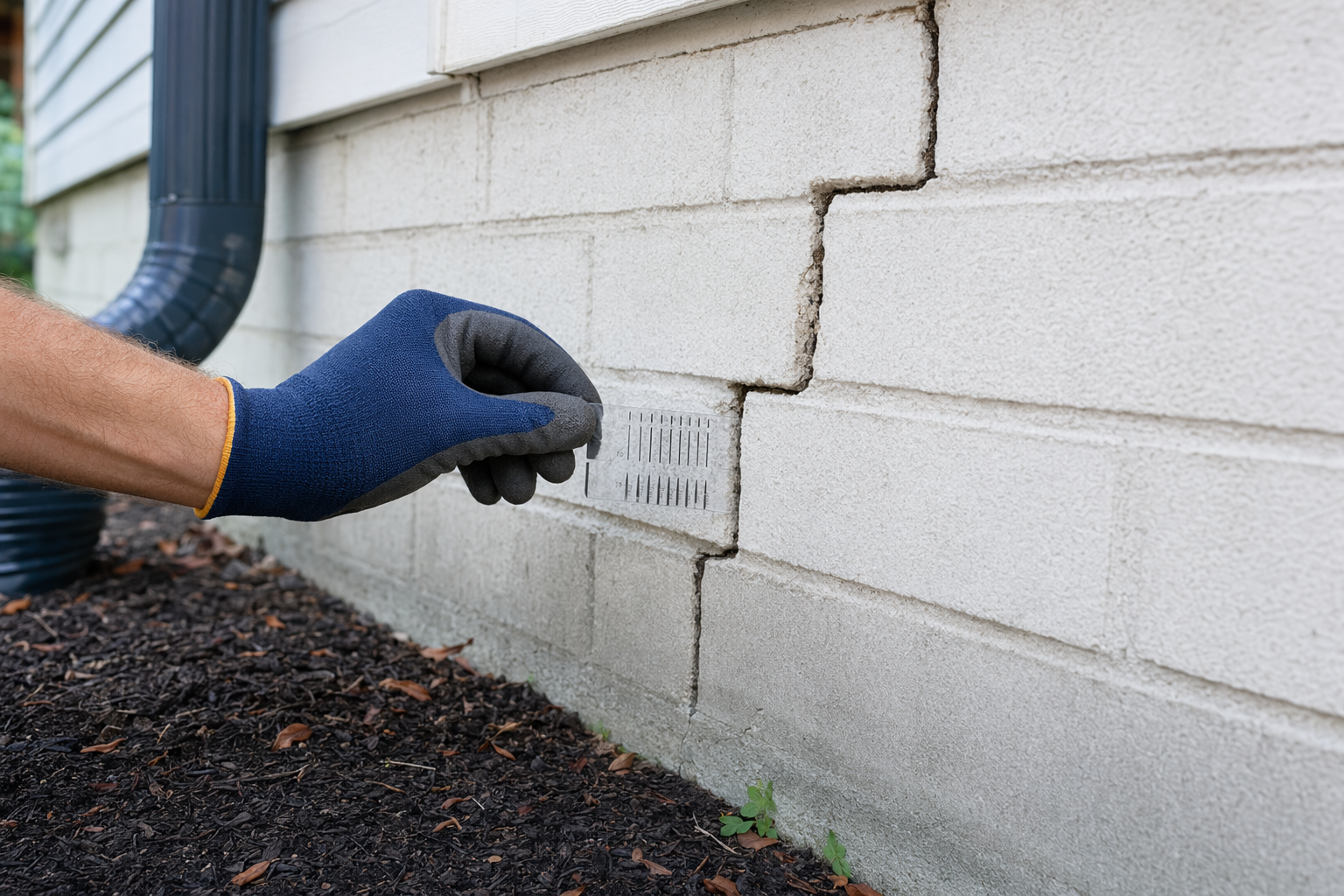
A stair-step crack usually follows the mortar joints between bricks in a zigzag pattern. That pattern matters. Brick is rigid, so when the structure moves, the mortar joints often crack first.
Not every stair-step crack means the house is failing. Older homes can have small, long-stable cracks from past settlement. But a crack that is new, growing, wider, repeated in several places, or paired with sticking doors, sloping floors, bulging walls, or water problems deserves a closer look.
Common causes include:
- Foundation settlement under one part of the house
- Expansive or shifting soil that swells and shrinks with moisture changes
- Poor drainage that softens soil near the footing
- Freeze-thaw damage in brick and mortar
- Lateral pressure against basement or retaining walls
- Aging mortar or long-term movement in older masonry
If the wall looks like it is actively moving, a crack has opened quickly, bricks are loose, or you see signs of possible collapse, leave the area and contact a licensed structural engineer or your local building department right away. For other cases, the smart next step is usually an independent, licensed structural engineer who does not also sell the repair. That evaluation helps you avoid paying for work you do not need. You can also review common red flags at foundation warning signs.
What stair-step cracks can tell you
The crack pattern is a clue, but it is not a final diagnosis by itself. You need the full picture: where the crack is, how wide it is, whether it is changing, what the drainage looks like, and what other symptoms you see.
Here are common situations homeowners run into:
1. One small crack in exterior brick veneer
This may be from minor settlement, shrinkage, or movement over time. Brick veneer is often not the main structural support, but movement in veneer can still point to movement behind it.
2. Cracks near windows, doors, or corners
Openings are weak points. Settlement often shows up there first. If windows or doors nearby are suddenly hard to open, that raises concern.
3. Cracks wider at one end
That can suggest uneven movement. A tapered crack often means one area has moved more than another.
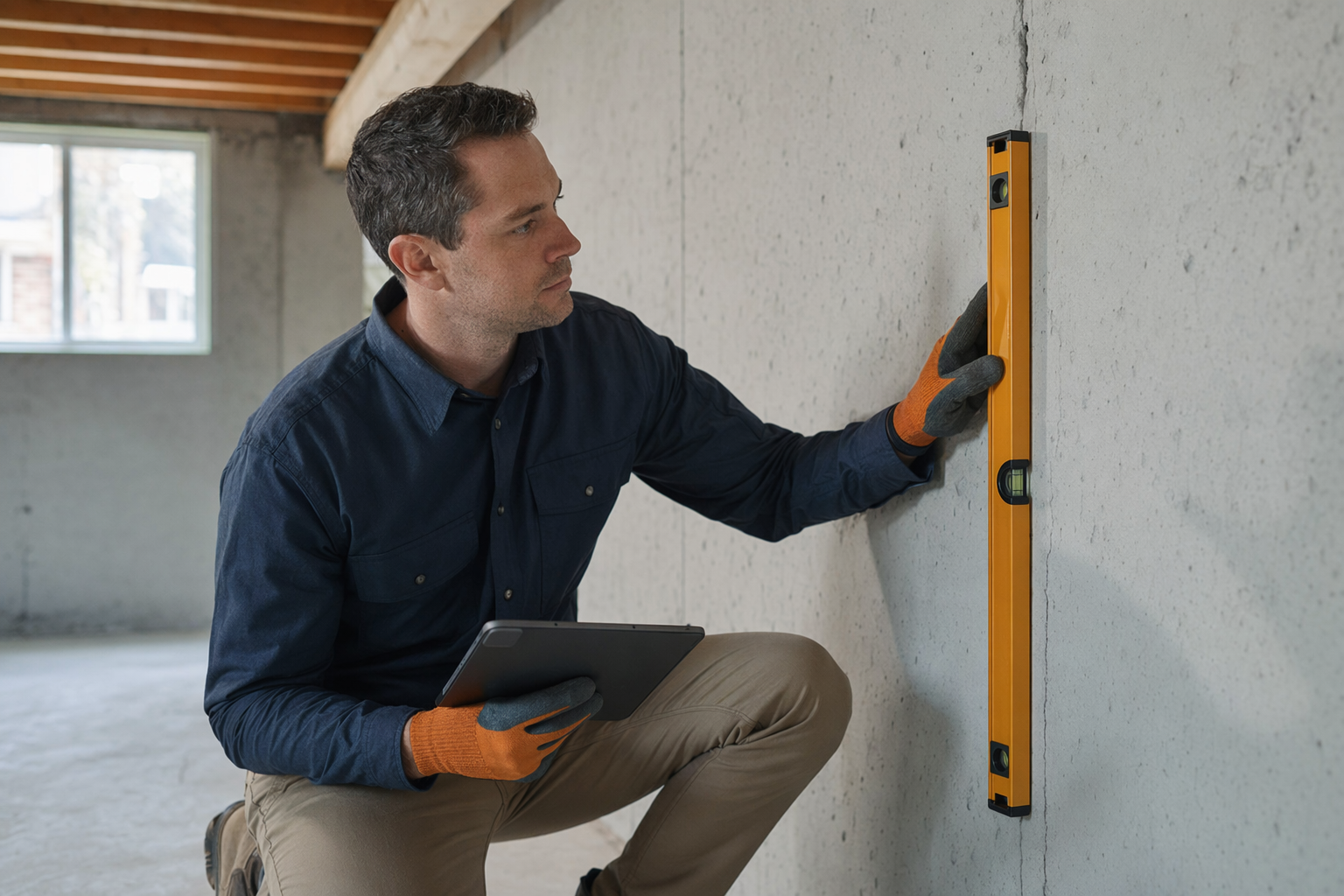
4. Cracks plus basement wall bowing or leaning
This can point to soil pressure or water pressure, not just settlement. That is a different repair path and should be taken seriously. See bowing wall stabilization for common repair types homeowners may hear about.
5. Cracks plus pooling water, clogged gutters, or downspouts dumping by the house
Water management is often a big part of the problem. If water is feeding movement, fixing only the crack may not solve much.
What matters most is not just the crack itself. It is whether the movement is active, what is causing it, and whether the wall is still performing safely.
When to worry more, and when to move faster
Use calm judgment here. Do not panic. But do not ignore clear warning signs either.
Higher-concern signs include:
- A stair-step crack that is new and growing over weeks or months
- A crack that becomes wide enough to easily fit a coin or fingertip in places
- Multiple stair-step cracks on the same wall or on different walls
- Bulging, leaning, or bowing brick or block
- Bricks that are loose, displaced, or crushing
- Doors and windows that suddenly stick after working fine before
- Interior drywall cracks that line up with exterior masonry cracks
- Sloping floors or visible separation at trim, ceilings, or cabinets
- Chronic moisture, seepage, or soil erosion near the foundation
Urgent signs:
- A wall appears to be actively moving
- A large new crack opens quickly
- Part of the wall is separating, leaning badly, or looks close to collapse
- You hear cracking sounds with visible movement
If you see urgent signs, leave the area and contact a licensed structural engineer or your local building department right away.
For non-urgent cases, take clear photos now, then again in a few weeks. Note dates. Watch whether the crack changes in width or length. That simple record can help an engineer understand whether the issue looks active or old.
What the fix might involve, and typical costs
The right fix depends on the cause, not just the crack pattern. That is why BedrockBearing strongly recommends an independent structural engineer evaluation first. A typical independent engineer report often costs about $400-$1,200. That fee can save you from buying the wrong repair.
Typical repair paths homeowners may hear about include:
- Crack repair or tuckpointing when the issue is minor or cosmetic, or after the underlying problem is addressed. Simple crack injection or similar crack repair may run about $300-$2,500 depending on size, access, and materials. Learn more about foundation crack repair.
- Slabjacking or foam lifting if a settled slab is part of the problem. A typical area may be around $600-$3,500.
- Steel push piers or helical piers if part of the foundation has settled and needs underpinning. Typical ranges are often about $1,200-$3,000 per pier, and many jobs need 8-12 piers, so total costs often land around $10,000-$30,000+. More on piering and underpinning.
- Wall stabilization such as carbon fiber or steel beams when a basement or masonry wall is bowing or moving inward. Typical costs often run $4,000-$15,000+.
- Waterproofing and drainage improvements if water is driving the movement. Interior drainage, sump work, exterior corrections, or related waterproofing often run about $2,000-$12,000. See foundation waterproofing.
These are typical ranges and estimates, not quotes. Real price depends on the cause, the soil and site conditions, access, the repair method required, and your area.
Be careful of anyone who sees one crack and jumps straight to a big pier job without a clear explanation of the cause. The goal is not to buy the biggest repair. The goal is to fix the actual problem.
What to do next
Here is the practical path most homeowners should follow:
- Document what you see. Take photos of the crack, nearby doors or windows, and any drainage issues. Write down when you first noticed it.
- Check outside water conditions. Make sure gutters are not overflowing and downspouts are carrying water away from the house. Do not assume this solves the structural issue, but it is worth correcting obvious drainage problems.
- Get an independent, licensed structural engineer first. Choose one who does not also sell foundation repair. That protects you from a sales-driven diagnosis. Start here: structural engineer evaluation.
- Then compare contractor estimates if repairs are recommended. Hire licensed and insured contractors, and verify the license and insurance yourself.
- Get the scope and price in writing before any deposit. Make sure permit responsibility is clear. Follow local permit and building code requirements.
- Do not pay in full upfront. You compare estimates. You choose who to hire. You hold the final payment until the agreed work is done.
If you want help finding local pros after you have an engineer's recommendations, BedrockBearing can match you for free with licensed and insured foundation repair contractors. We are a free matching service, not an engineering firm or contractor. You can request options at get matched and review more homeowner guidance at how to vet a foundation contractor.
A stair-step crack in brick can mean the wall or foundation has moved. Some cracks are old and stable. Some are a real warning sign. Take photos, watch for change, fix obvious drainage issues, and get an independent licensed structural engineer before hiring any repair contractor.