Warning Signs of a Bad Foundation Contractor
Some foundation contractors do solid work. Some oversell, rush, or hide key details. If your home may have a foundation problem, slow down, get facts, and protect yourself before you sign anything.
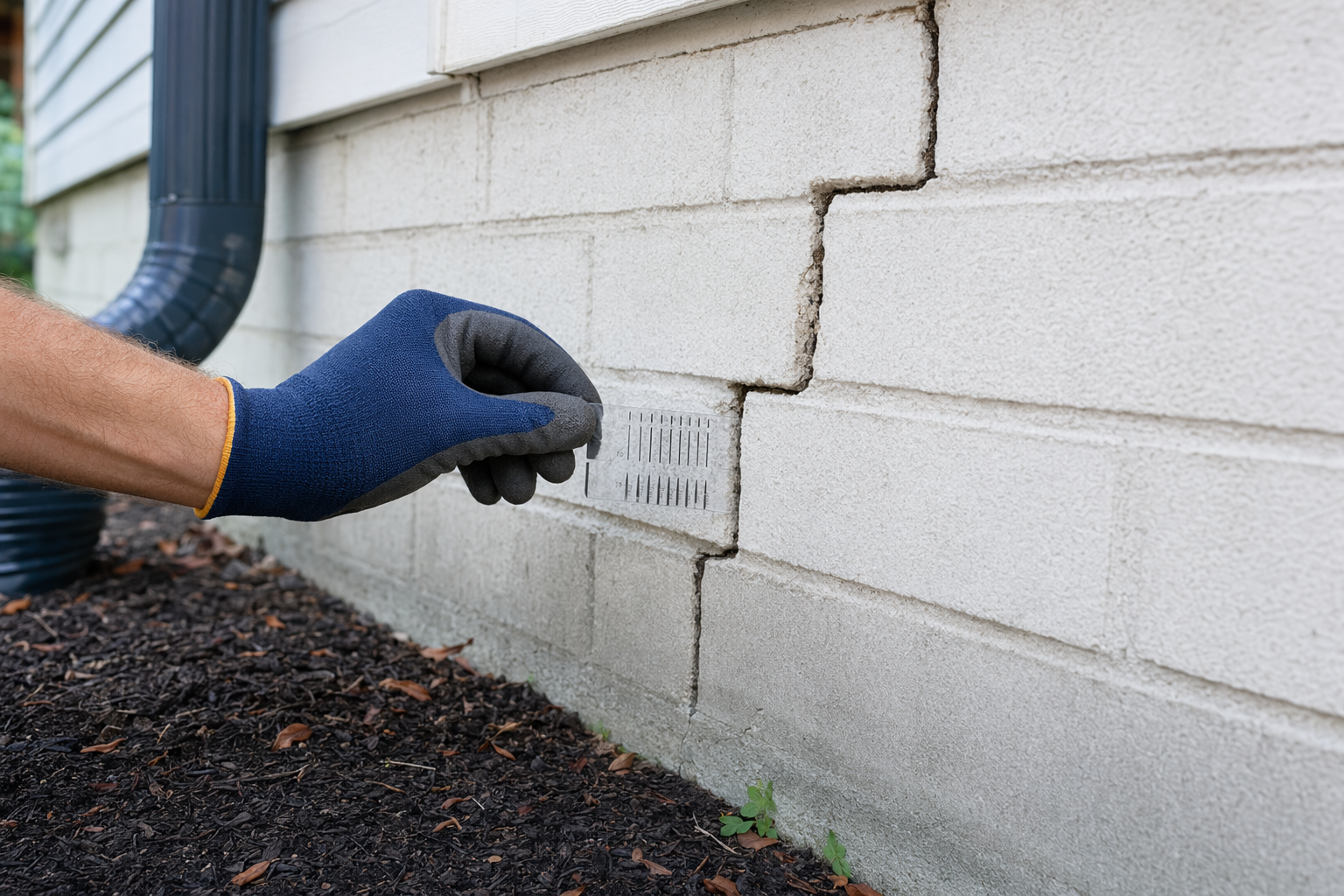
The short answer: the biggest red flag is pressure before proof
A foundation problem can be serious. But a serious problem still deserves a careful process. A bad contractor often tries to skip that process.
The clearest warning sign is this: they push an expensive repair before the cause is clearly explained and documented. They may say your house is in danger, tell you to sign today, or act like only their system can fix it.
A trustworthy process usually looks different:
- You document what you are seeing.
- You strongly consider an independent, licensed structural engineer who does not sell the repair. That protects you from being sold work you may not need.
- You compare written estimates from licensed and insured contractors.
- You verify license, insurance, scope, permit responsibility, and warranty terms yourself.
If you are just starting, read how to vet a foundation contractor and, where appropriate, get an independent structural engineer evaluation. BedrockBearing is a free matching service, not an engineer or repair company. We help you understand the issue and connect with licensed, insured pros so you can compare options.
Specific warning signs homeowners should take seriously
Not every red flag means fraud. But several together should make you stop.
- No independent engineer recommendation. If a contractor says you do not need an outside engineer and pushes only their own opinion, be careful. For significant settlement, bowing walls, or major cracking, an independent engineer is often the safest first step.
- Scare tactics. Statements like "your home could collapse any day" without real explanation are a problem. Foundation issues can be dangerous, but honest contractors explain what they see, what they do not know yet, and what should happen next.
- "Today only" pricing or heavy pressure to sign. Good contractors know homeowners need time to compare estimates and read documents.
- Vague diagnosis. If they cannot explain the likely cause in plain language, that is a bad sign. Cause matters. Clay soil, poor drainage, tree roots, plumbing leaks, frost, fill soil, and age can lead to different fixes.
- One repair for every house. Homes do not all need the same solution. Some need crack injection. Some need drainage. Some need piering. Some need monitoring first. If every problem somehow needs their favorite system, slow down.
- No license or insurance proof. Do not rely on verbal promises. Ask for the exact business name, license number if your state requires it, and current insurance certificates. Verify them yourself.
- No written scope. If the proposal does not clearly say what work will be done, where, how many piers or anchors are included if relevant, who handles cleanup, and who pulls permits, do not sign.
- Large upfront deposit demands. Deposit rules vary by state and job type, but big cash demands before materials, permits, and schedule details are clear can be risky.
- Cash only, no paper trail. You want receipts, contract terms, and proof of payment.
- They minimize water issues. Water management is often part of the real problem. If they ignore grading, gutters, downspouts, drainage, or moisture patterns, the repair plan may be incomplete.
- They discourage competing bids. You should compare bids. You choose who to hire.
If you are seeing wall movement, floor sloping, sticking doors, stair-step cracks, or moisture, review foundation warning signs so you can describe the symptoms clearly when you talk to an engineer or contractor.
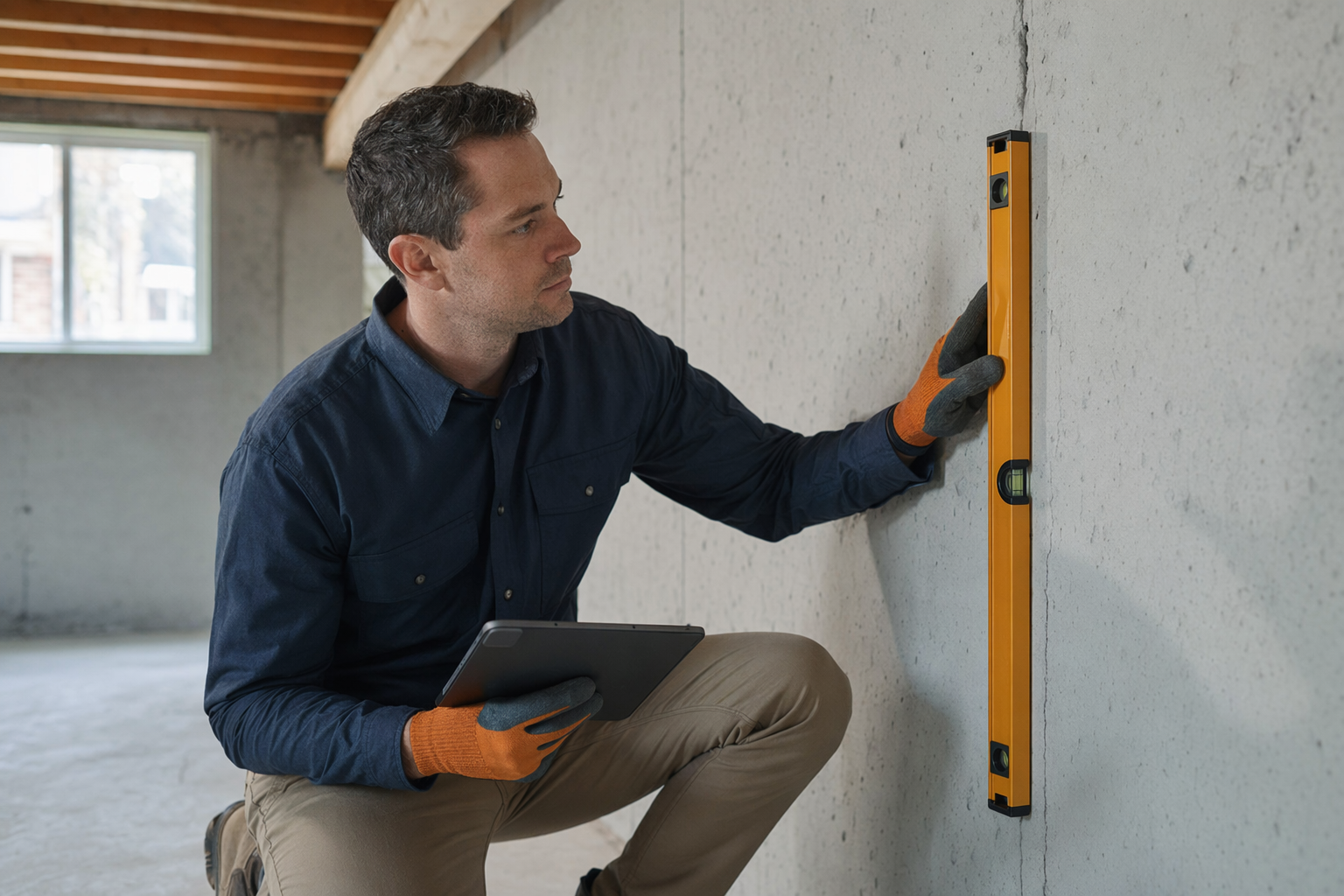
How bad contractors hide costs and oversell work
Foundation work is expensive enough without games. A careful homeowner should watch for pricing tricks and incomplete proposals.
First, remember that all pricing you see online is only a typical range, not a quote. Real cost depends on the cause, soil and site conditions, access, method required, and your area. Honest contractors say that clearly.
Typical ranges many homeowners see include:
- Crack injection: about $300-$2,500
- Slabjacking or foam lifting for a typical area: about $600-$3,500
- Steel push piers or helical piers: about $1,200-$3,000 per pier, with many jobs needing 8-12 piers, so total jobs often land around $10,000-$30,000+
- Bowing-wall stabilization with carbon fiber or beams: about $4,000-$15,000+
- Basement waterproofing or drainage: about $2,000-$12,000
- Independent structural engineer report: about $400-$1,200
A bad contractor may misuse these numbers in a few ways:
- They give you a low starting number, then add "unexpected" charges later.
- They skip discussing drainage, excavation, permit fees, finish repairs, haul-away, or access problems until after you sign.
- They propose many more piers, straps, or beams than another qualified bidder without a clear reason.
- They talk a lot about warranty length, but very little about whether the chosen repair actually fits the cause.
- They sell cosmetic crack filling as if it solves structural movement.
Ask direct questions:
- What is the likely cause of the movement or cracking?
- What evidence supports this repair instead of a cheaper or smaller one?
- What is included and excluded in the price?
- Will permits be required, and who is responsible for them?
- What happens if hidden conditions are found?
- Will I get measurements, photos, or elevations in writing?
If you want a grounding in common repair categories before you compare bids, see piering and underpinning or foundation crack repair.
What a safer hiring process looks like
You do not need to be an engineer to avoid most bad situations. You need a process.
- Start with symptoms, not conclusions. Write down what you see: crack location and size, when doors started sticking, where floors slope, where water enters, and whether changes are getting worse.
- Take urgent signs seriously. If a wall is actively moving, large new cracks are opening quickly, or you see signs of possible imminent collapse, leave the area and contact a licensed structural engineer or your local building department right away.
- For meaningful structural concerns, strongly consider an independent engineer first. This is one of the best ways to avoid oversold repairs.
- Get at least 2-3 written estimates from licensed and insured contractors.
- Compare scope, not just price. A cheaper bid may exclude key work. A higher bid may include unnecessary work. Read line by line.
- Verify the contractor yourself. Confirm license status if required in your state, general liability insurance, and workers' compensation where applicable.
- Read warranty language carefully. Ask what is covered, what is excluded, whether transfer is allowed, and whether drainage or homeowner maintenance affects coverage.
- Do not pay the full amount upfront. Get the scope and price in writing before any deposit. Keep copies.
- Follow local permits and code. Do not let anyone talk you into skipping permit requirements.
If your issue may involve leaning or inward movement, bowing wall stabilization explains common repair types. If moisture is part of the story, foundation waterproofing can help you understand the drainage side of the problem.
What to do next if you are worried now
If a contractor already gave you a scary sales pitch, pause. You still have options.
- Do not let fear make the decision for you. Serious issue or not, you want the right fix.
- Gather your paperwork. Save the estimate, business card, text messages, photos, and any measurement notes.
- Write down exactly what the contractor claimed. Especially claims about danger, permits, time pressure, and exclusivity.
- Book an independent structural engineer when the signs point to a real structural issue. The report often costs far less than an unnecessary repair.
- Get competing written estimates from licensed and insured contractors. Compare method, scope, quantities, and exclusions.
- Use a free matching service if that helps you move faster. With get matched, BedrockBearing can connect you with licensed, insured foundation repair pros. Matching is free to homeowners. Participating pros pay a flat fee. You compare estimates and choose.
Keep control of the job. An engineer evaluates. You compare estimates. You choose who to hire. You hold the final payment until the agreed work is done.
A final truth many homeowners learn the hard way
The most expensive mistake is not always hiring the cheapest contractor. Often it is hiring the fastest talker before the problem is independently evaluated.
Some homes need major repair. Some need a modest fix. Some need drainage correction more than structural work. Some need monitoring first. A contractor who is honest about uncertainty, willing to explain options in plain language, and comfortable with you getting outside advice is usually much safer than one who tries to own the whole conversation.
Foundation problems can be serious and sometimes a safety risk. Take real warning signs seriously. But do not hand over your judgment just because someone sounds confident. Slow down. Verify. Compare. Get real documentation. That is how homeowners avoid getting burned.
If a foundation contractor pressures you to sign fast, refuses outside review, will not show license and insurance, or gives a vague proposal, stop. Serious foundation problems need a careful process: consider an independent licensed structural engineer, get written estimates from licensed and insured contractors, verify everything yourself, and do not pay before the scope and price are clear.