Estimate comparison guide
Getting two or three foundation estimates is smart. Comparing them is the hard part. This free guide helps you line up the scope, method, price, warranty, and questions so you can make a clearer decision.
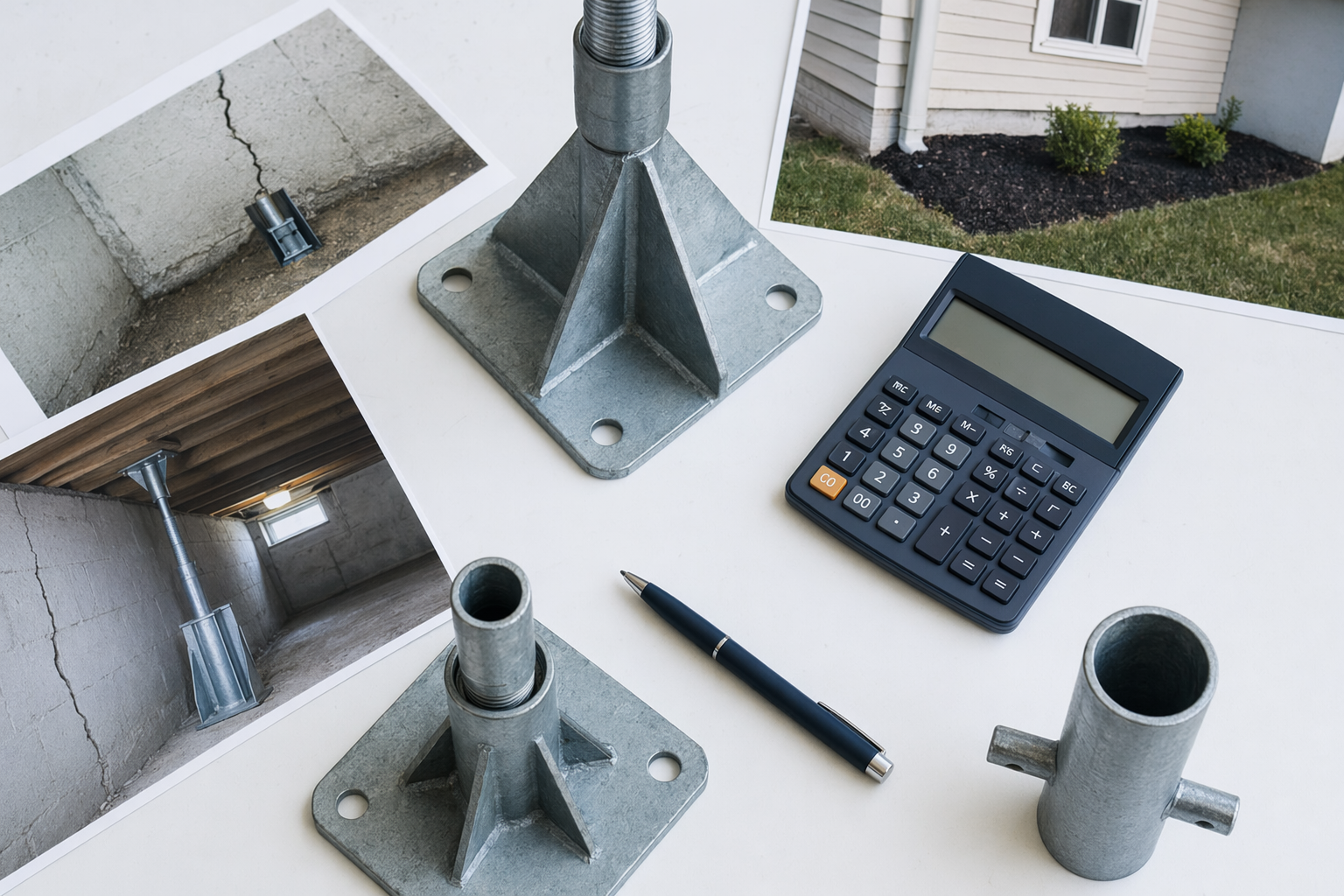
What this free guide is
Our Foundation Estimate Comparison Guide is a simple PDF you can use when different contractors tell you different things. One company says piers. Another says crack repair. Another says drainage first. That is common.
This guide helps you compare what each company is actually proposing, not just the bottom-line price. It is meant to slow the process down so you can spot missing details, unclear scope, and pressure tactics.
Important: BedrockBearing is a free matching service. We do not inspect homes, design repairs, or tell you which repair method your house needs. Before hiring any contractor, we strongly recommend paying for an evaluation by an independent, licensed structural engineer who does not also sell the repair. That extra step often protects homeowners from paying for work they do not need. Learn why here: independent structural engineer evaluation.
What to compare besides price
A low number is not always the better deal. A higher number is not always more complete. The real value is in the details.
Use the guide to compare:
- Problem described: What is each company saying is wrong?
- Recommended method: Crack injection, slab lifting, piers, wall stabilization, drainage, or a mix.
- Scope of work: How many piers? How many cracks? How many wall straps or beams? What areas are included?
- What is excluded: Flooring, drywall, landscaping, permits, engineering, cleanup, haul-away.
- Who wrote the diagnosis: A salesperson, a contractor, or an independent engineer.
- Warranty terms: What is covered, for how long, and what can void it?
- License and insurance: Verify both yourself.
- Permit and code compliance: Ask who is responsible.
Typical price ranges can help you notice when a proposal is unusually low or high, but they are only estimates, never quotes. For example, crack injection is often about $300-$2,500, slabjacking or foam lifting for a typical area about $600-$3,500, and steel push or helical piers often about $1,200-$3,000 per pier, with many jobs needing 8-12 piers for a total around $10,000-$30,000+. Real cost depends on the cause, soil and site conditions, access, the method required, and your area. For broader ranges, see foundation repair costs.

How to use the guide step by step
- Get at least two written estimates. Three is better for a major repair.
- Get an independent engineer's opinion first if you can. An engineer who does not sell repairs can tell you what problem needs to be solved.
- Fill in each contractor's scope side by side. Write down quantities, materials, start date, permit responsibility, cleanup, and warranty.
- Circle missing details. If one estimate is vague, ask for it in writing before you pay a deposit.
- Compare method to symptom. If the method sounds much bigger than the problem, pause and ask why.
- Verify license and insurance yourself. Do not rely only on a business card or sales promise.
- Do not judge by price alone. Compare scope, exclusions, warranty, and whether the cause is actually being addressed.
- Hold final payment until the agreed work is done. Keep the signed scope and price in writing.
If a contractor is recommending piers or underpinning, this overview may help you understand the terminology: piering and underpinning.
Red flags this guide can help you catch
Some estimate problems are easy to miss when you are stressed.
Watch for:
- Same-day pressure like "sign now" or "today only" discounts.
- Very vague scope with no counts, no dimensions, and no exclusions.
- No mention of permits when permits are likely required locally.
- Diagnosis without cause such as recommending a major repair but not explaining drainage, soil movement, settlement, or wall pressure.
- A big repair sold before an engineer looks at it.
- Requests for large deposits before you have a clear written agreement.
- License or insurance that cannot be verified.
Also, take warning signs seriously. If a wall is actively moving, large new cracks are opening fast, doors suddenly jam with major wall movement, or there are signs of possible collapse, leave the area and contact a licensed structural engineer or your local building department right away. For less urgent symptoms, review foundation warning signs.
Download and use it with your estimates
The download is free: foundation-estimate-comparison-guide.pdf.
Use it when you are collecting bids, after an engineer visit, or before you sign anything. Print it or fill it out digitally. Bring it to contractor meetings. Make each company answer the same questions.
If you still need to talk with local licensed, insured foundation repair companies, we can help you get matched. Matching is free to the homeowner. You describe what you are seeing and share your contact details. Then you compare estimates, choose who to hire, and stay in control of the final decision.
Download the free PDF, put each written estimate side by side, and compare the scope, method, exclusions, warranty, license, and permit details. Before you hire anyone, get an independent licensed structural engineer's opinion if possible, verify contractor license and insurance yourself, and get the full scope and price in writing.